

 yueyang@yueyangcz.com
Which is better tubular scaffolding or frame scaffolding
 Feb 13, 2026|
 View:1621
In the realm of construction and maintenance projects, scaffolding plays a pivotal role in ensuring the safety and efficiency of work at elevated heights. Among the various types of scaffolding available, tubular scaffolding and frame scaffolding are two widely used options. Each has its own set of characteristics, advantages, and limitations, making the choice between them a critical decision for contractors and project managers. This article aims to delve into the specifics of both tubular scaffolding and frame scaffolding, compare their differences, and ultimately explore which one might be the better choice under different circumstances.
What is Tubular Scaffolding?
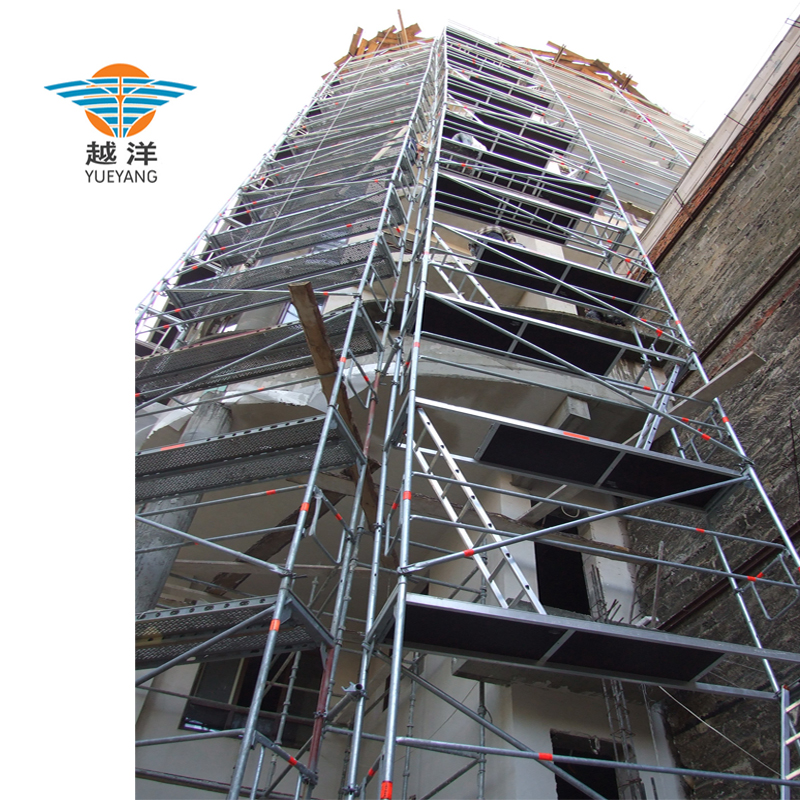
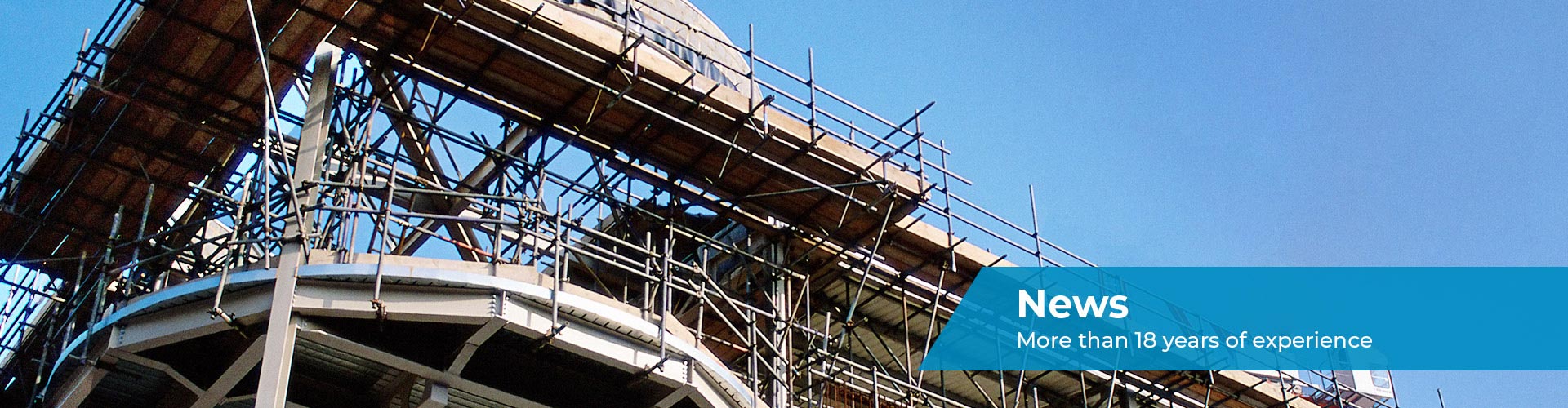
Tubular scaffolding, as the name suggests, is constructed using tubular components, typically made of steel or aluminum. These tubes are connected through various types of fittings, such as couplers, to form a stable and versatile structure. The tubes can be arranged in a grid-like pattern, allowing for the creation of scaffolding systems that can be customized to fit the specific requirements of a project.
One of the key features of tubular scaffolding is its flexibility. It can be easily adapted to irregularly shaped buildings or structures, making it an ideal choice for projects with complex geometries. Additionally, tubular scaffolding can be assembled and disassembled relatively quickly, which is beneficial for projects with tight deadlines. The use of high-quality materials ensures that tubular scaffolding is strong and durable, capable of withstanding heavy loads and harsh weather conditions.
Tubular scaffolding is also known for its safety features. The robust connections between the tubes provide a stable platform for workers, reducing the risk of accidents. Furthermore, the ability to add additional components, such as guardrails and toe boards, enhances the overall safety of the scaffolding system.
What is Frame Scaffolding?
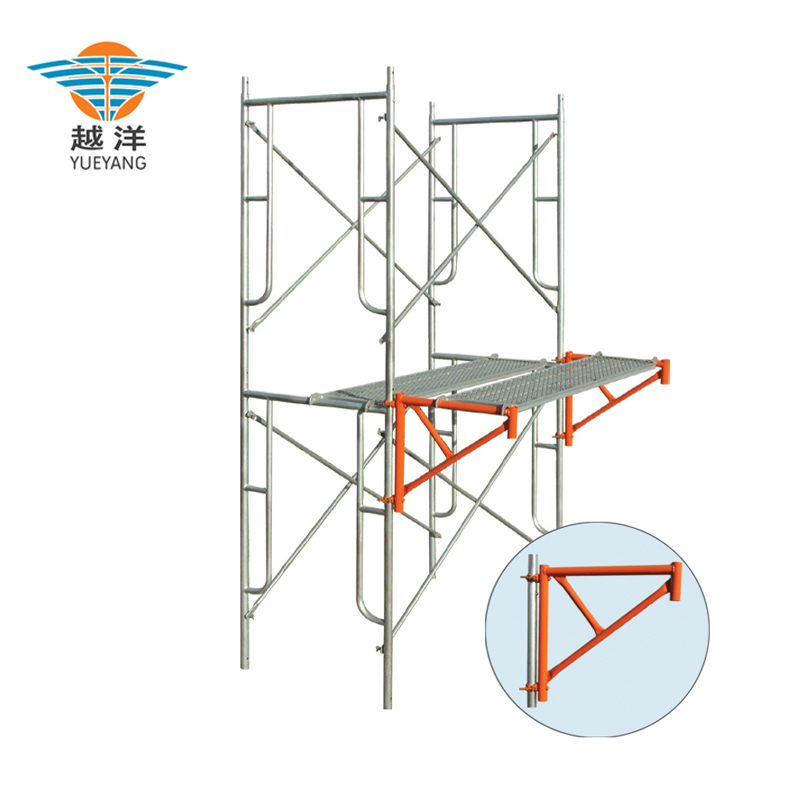
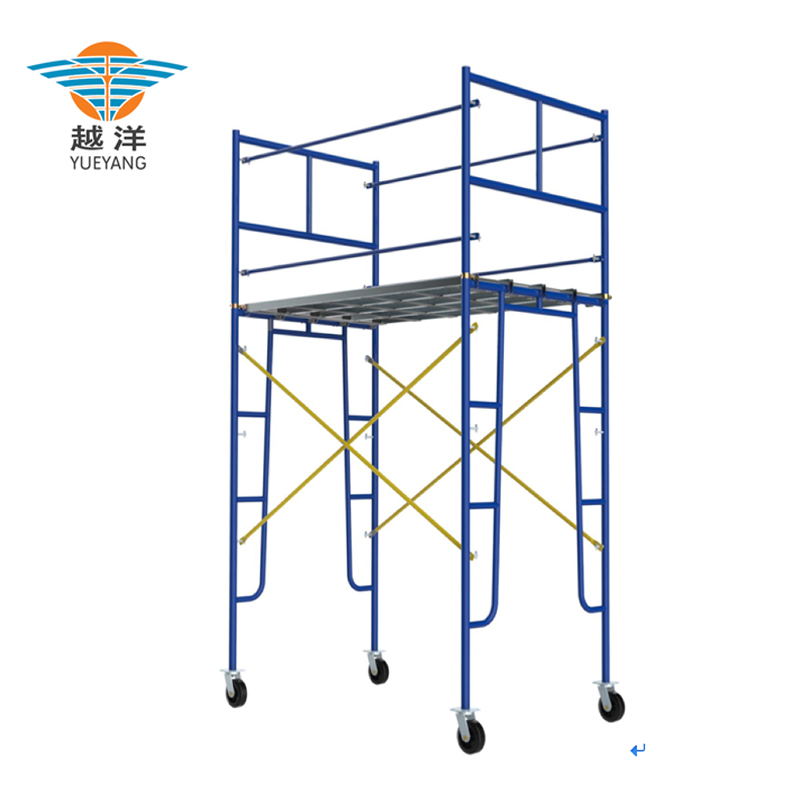
Frame scaffolding, on the other hand, consists of prefabricated frames that are connected together to form a scaffolding structure. These frames are typically made of steel and are designed to be stacked vertically and horizontally to create a multi-level platform. Frame scaffolding is known for its simplicity and ease of assembly, making it a popular choice for both small and large-scale projects.
The frames in frame scaffolding are usually rectangular or square in shape, providing a standardized and uniform structure. This standardization makes it easier to plan and execute the scaffolding installation, as the components are interchangeable and can be easily replaced if damaged. Frame scaffolding is also relatively lightweight compared to some other types of scaffolding, which facilitates transportation and handling on-site.
Another advantage of frame scaffolding is its cost-effectiveness. The prefabricated nature of the frames reduces the need for extensive customization, resulting in lower labor costs and shorter assembly times. Additionally, frame scaffolding can be reused multiple times, further reducing the overall cost of the project.
Differences Between Tubular Scaffolding and Frame Scaffolding
While both tubular scaffolding and frame scaffolding serve the same basic purpose of providing a safe and stable working platform at elevated heights, there are several key differences between them.
Structural Design
Tubular scaffolding is characterized by its flexible and customizable design, allowing it to adapt to a wide range of project requirements. In contrast, frame scaffolding has a more rigid and standardized structure, which may limit its adaptability to certain complex geometries.
Assembly and Disassembly
Tubular scaffolding requires more skill and time to assemble and disassemble due to the need to connect individual tubes using fittings. Frame scaffolding, however, can be assembled and disassembled more quickly and easily, as the frames are prefabricated and can be simply stacked and connected.
Load-Bearing Capacity
Both tubular scaffolding and frame scaffolding are designed to bear heavy loads, but tubular scaffolding may offer greater flexibility in terms of load distribution due to its grid-like structure. Frame scaffolding, while strong, may have limitations in terms of the maximum load it can support at specific points.
Cost
Frame scaffolding is generally more cost-effective than tubular scaffolding, especially for projects with standardized requirements. The prefabricated nature of frame scaffolding reduces labor costs and assembly times, while tubular scaffolding may require more specialized labor and customization, increasing the overall cost.
Which is Better: Tubular Scaffolding or Frame Scaffolding?
The choice between tubular scaffolding and frame scaffolding depends on several factors, including the specific requirements of the project, the budget, and the available labor resources.
For projects with complex geometries or irregular shapes, tubular scaffolding may be the better choice due to its flexibility and adaptability. It can be customized to fit the unique contours of a building or structure, providing a safe and stable working platform. Additionally, if the project requires a high degree of load-bearing capacity and load distribution flexibility, tubular scaffolding may be more suitable.
On the other hand, for projects with standardized requirements and a tight budget, frame scaffolding may be the preferred option. Its simplicity, ease of assembly, and cost-effectiveness make it an attractive choice for both small and large-scale projects. Frame scaffolding is also a good option for projects where speed is of the essence, as it can be assembled and disassembled more quickly than tubular scaffolding.
Need Custom Scaffolding & Construction Equipment Solutions For Your Projects?
Changzhou Yueyang Machinery specializes in full-range Ringlock Scaffolding, Frame Scaffolding, Formwork, Safety Barrier & Accessory systems for construction, stage event, mining and heavy industry. ISO 9001 certified, comply with EU EN & Australia AS/NZ safety standards. Factory direct one-stop service from drawing customization to full container delivery.
Conclusion
In conclusion, both tubular scaffolding and frame scaffolding have their own set of advantages and limitations, making the choice between them a matter of weighing the specific needs of the project against the available resources. Tubular scaffolding offers flexibility, adaptability, and high load-bearing capacity, making it ideal for complex projects. Frame scaffolding, with its simplicity, ease of assembly, and cost-effectiveness, is a great choice for standardized projects with budget constraints. Ultimately, the decision should be based on a thorough assessment of the project requirements, budget, and labor resources to ensure the selection of the most appropriate scaffolding system for the job.