


 yueyang@yueyangcz.com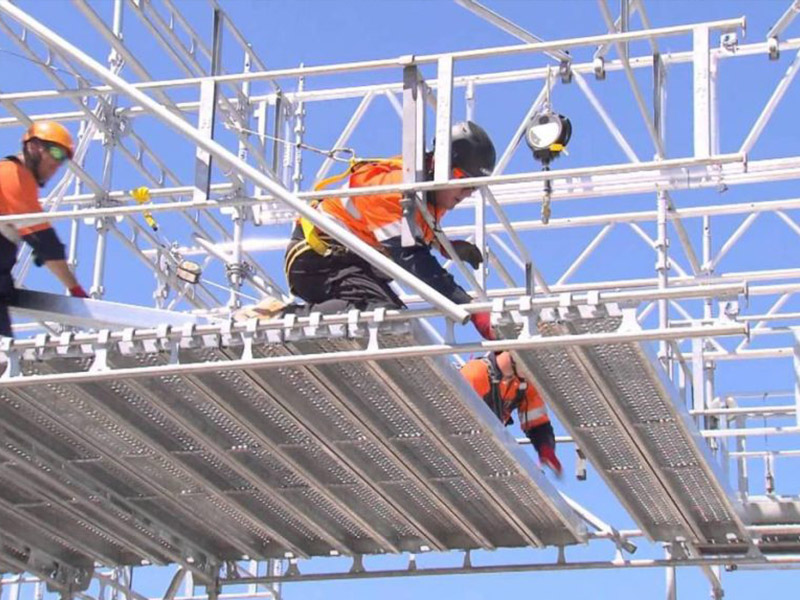
can workers tie off on the scaffold frame
 Dec 19, 2024|
 View:1645
In the realm of construction, safety is paramount. With towering scaffolds serving as the backbone for reaching new heights in building projects, ensuring the well-being of workers perched atop these structures is crucial. One of the fundamental safety practices frequently debated within the industry is whether workers can tie off on the scaffold frame itself. This question delves into the intricacies of fall protection regulations, scaffold design, and the practicalities of maintaining a safe working environment.
Understanding Fall Protection Requirements
Before diving into the specifics of tying off on scaffold frames, it's essential to grasp the fundamental principles of fall protection in construction. The Occupational Safety and Health Administration (OSHA) in the United States, along with similar regulatory bodies globally, mandates the use of fall protection systems whenever workers are exposed to fall hazards of 6 feet (1.8 meters) or more above a lower level. These systems typically include personal fall arrest systems (PFAS), safety nets, or guardrail systems.
PFAS, in particular, consist of a harness worn by the worker, connected to an anchor point via a lanyard or lifeline. This system is designed to arrest a fall before it results in injury. The effectiveness of PFAS hinges on the reliability of the anchor point—a critical aspect when considering the scaffold frame as a potential tie-off location.
Scaffold Frame Design and Integrity
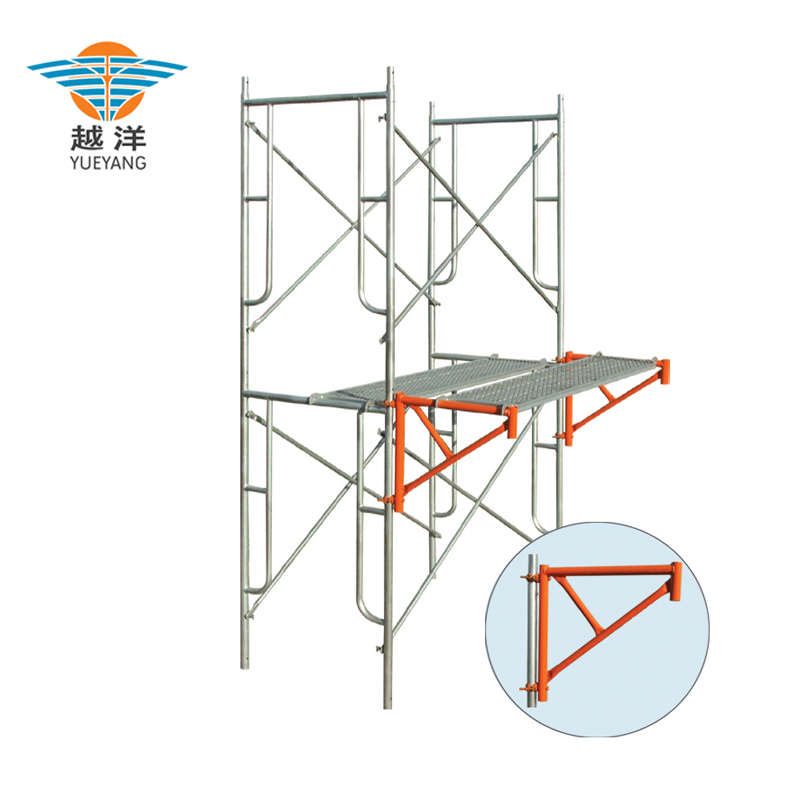
Scaffolds are engineered to support the weight of materials and workers involved in construction activities. However, their primary design focus is not necessarily on serving as fall arrest anchor points. Scaffold frames are constructed from materials like steel or aluminum, which provide adequate strength and stability under normal load conditions. Yet, tying off directly to the frame could introduce unforeseen stresses, potentially compromising the structural integrity of the scaffold.
Moreover, scaffold frames may not always be equipped with dedicated anchor points designed to withstand the forces associated with a fall arrest. Improper tie-offs could lead to the scaffold buckling, collapsing, or causing severe injuries to the worker due to sudden stops and shock loads.
Industry Practices and Guidance
Recognizing these concerns, industry standards and regulatory bodies often recommend against tying off directly to scaffold frames. Instead, they advocate for the use of dedicated, engineered anchor points or the installation of temporary horizontal lifelines (THLs) that can be secured to structural members capable of supporting the necessary loads.
For instance, OSHA's guidelines on scaffold safety emphasize the importance of using approved fall protection equipment and techniques. It specifies that if PFAS are used, they must be connected to an anchorage that meets certain criteria for strength and durability. Simply put, tying off to an unmodified scaffold frame usually does not meet these criteria.
Practical Considerations and Alternatives
In practice, workers and safety officers must weigh the risks and benefits of various fall protection strategies. Where possible, using guardrails or safety nets might offer a more viable alternative to PFAS, especially in areas where the risk of falling is high but the feasibility of installing secure anchor points is low.
Innovations in fall protection equipment, such as self-retracting lifelines and advanced harness designs, also provide enhanced safety options. These tools can be anchored to stable points on the building structure or to specially designed scaffold anchor systems, ensuring workers remain safe without compromising scaffold stability.
Need Custom Scaffolding & Construction Equipment Solutions For Your Projects?
Changzhou Yueyang Machinery specializes in full-range Ringlock Scaffolding, Frame Scaffolding, Formwork, Safety Barrier & Accessory systems for construction, stage event, mining and heavy industry. ISO 9001 certified, comply with EU EN & Australia AS/NZ safety standards. Factory direct one-stop service from drawing customization to full container delivery.
Conclusion
While the question of whether workers can tie off on the scaffold frame invites a nuanced answer, the consensus among safety experts and regulatory bodies leans heavily towards caution. Direct tying off to scaffold frames, without specific engineering and approval, poses unacceptable risks to both worker safety and scaffold integrity. Instead, adhering to established safety protocols, utilizing dedicated anchor points, and investing in advanced fall protection equipment are essential practices that should guide all construction activities. By prioritizing these measures, the industry can continue to advance while safeguarding the lives and well-being of those who build our world.