


 yueyang@yueyangcz.com
How long before removing concrete formwork
 Sep 05, 2025|
 View:5949
The timing of concrete formwork removal is a critical decision in construction projects, directly influencing structural integrity, surface quality, and overall project efficiency. Improper removal can lead to cracks, deformation, or even collapse, while premature stripping risks compromising concrete strength development. This article explores the key factors determining formwork removal time, technical guidelines, and innovative monitoring methods to optimize this process.
1.Fundamental Principles Governing Formwork Removal
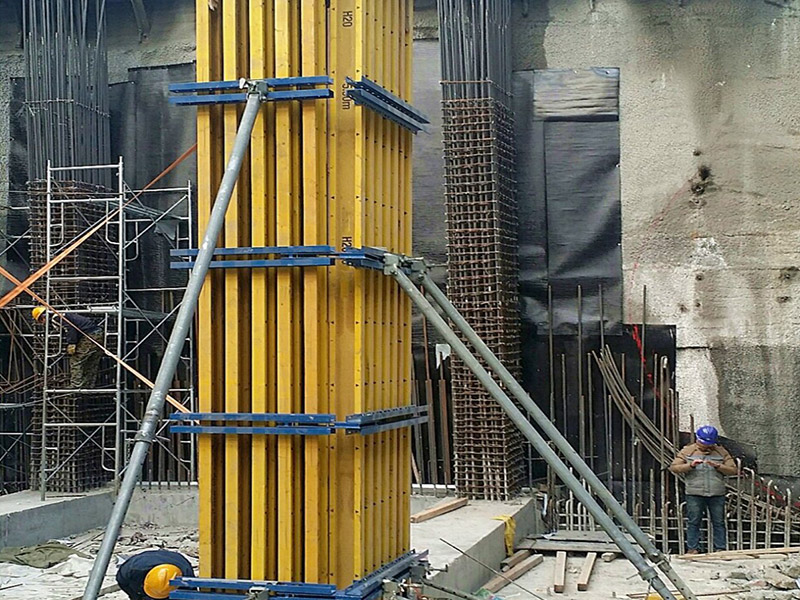
Concrete formwork serves as a temporary mold to shape and support fresh concrete until it gains sufficient strength to bear self-weight and imposed loads. The removal timing hinges on concrete maturity—a function of age, curing temperature, and cement type. According to industry standards, side formwork (e.g., walls, columns) can typically be removed when concrete achieves 10 N/mm² compressive strength or twice the anticipated stress, whichever is greater. Soffit formwork (e.g., slabs, beams) requires higher strength, often necessitating props to remain in place for 4–7 days with Portland cement concrete, depending on span and load conditions.
For example, a study by the Hong Kong Building Department specifies minimum periods before striking formwork: 12 hours for vertical side forms of beams/columns and 4 days for soffit forms of slabs with props retained. These benchmarks ensure concrete develops enough strength to resist deflection and cracking under subsequent loads.

2.Key Factors Influencing Removal Time
2.1Concrete Composition and Curing Conditions
Cement type significantly impacts strength gain. Rapid-hardening cement may allow earlier formwork removal compared to ordinary Portland cement. Curing temperature also plays a role: higher temperatures accelerate hydration, reducing removal time, while cold weather delays strength development. For instance, in temperatures below 5°C, concrete may require heated curing or extended formwork retention to prevent freezing damage.
2.2Structural Member Type and Load Scenarios
Different structural elements have distinct requirements:
Walls and Columns: Side forms can be removed earlier (e.g., 12–24 hours) if the concrete is not subjected to significant lateral loads. However, tall columns may need longer retention to prevent buckling.
Slabs and Beams: Soffit forms must remain until concrete reaches 70–100% of its design strength, especially for spans exceeding 6 meters. Prestressed members require additional consideration for elastic deformation during formwork removal.
Complex Geometries: Re-entrant angles or curved surfaces necessitate earlier formwork removal to avoid thermal cracking caused by uneven stress distribution.
2.3Formwork System and Construction Method
Modern formwork materials, such as plastic or steel hydraulic self-climbing systems, offer reusability and adjustable stiffness. For example, the Lianggong Hydraulic Auto-Climbing Formwork climbs vertically at 10 mm/second without dismantling, reducing field hazards and enabling continuous construction. Such systems may allow earlier formwork reuse but still require adherence to strength criteria before complete removal.
3.Innovative Monitoring Techniques for Optimized Removal
Traditional methods rely on predefined curing periods, but real-time monitoring enhances precision. A 2020 study introduced a BIM-integrated sensor framework that tracks concrete maturity via embedded wireless sensors. This system collects temperature and strength data, enabling project managers to determine removal timing dynamically. For instance, in a high-rise building project, BIM interoperability reduced formwork retention time by 30% while ensuring compliance with strength requirements, minimizing delays and costs.
4.Best Practices for Safe Formwork Removal
Inspect Concrete Surface: Check for cracks, honeycombing, or discoloration before removal.
Use Release Agents: Apply thin, uniform coatings to prevent adhesion without contaminating reinforcement.
Remove Joints Carefully: Avoid shock loads that could damage concrete edges.
Retain Props for Soffit Forms: Ensure props support slabs/beams until full strength is achieved.
Need Custom Scaffolding & Construction Equipment Solutions For Your Projects?
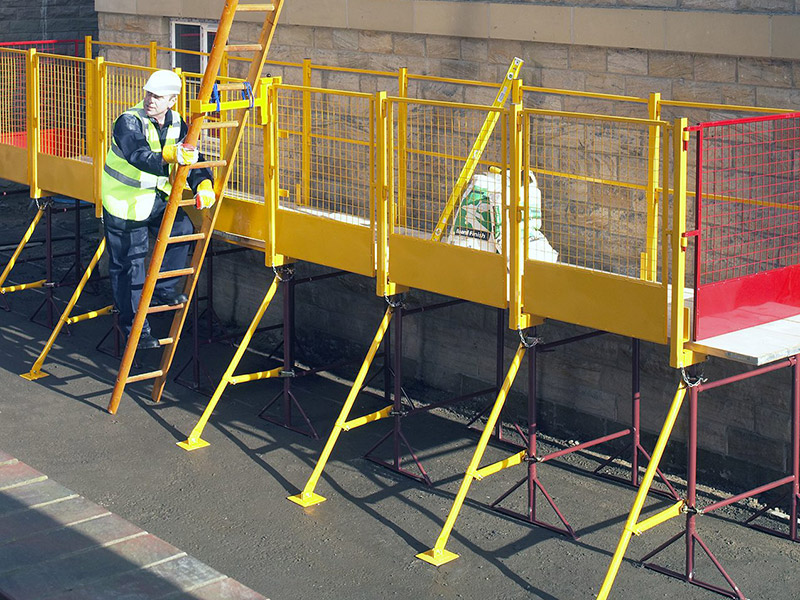
Changzhou Yueyang Machinery specializes in full-range Ringlock Scaffolding, Frame Scaffolding, Formwork, Safety Barrier & Accessory systems for construction, stage event, mining and heavy industry. ISO 9001 certified, comply with EU EN & Australia AS/NZ safety standards. Factory direct one-stop service from drawing customization to full container delivery.
Conclusion
The duration before removing concrete formwork is a nuanced balance between concrete strength development and construction efficiency. By integrating factors like cement type, structural requirements, and real-time monitoring technologies, projects can optimize formwork removal timing to enhance safety, quality, and productivity. As innovations such as BIM-sensor systems and advanced formwork materials evolve, the industry moves toward more precise, data-driven approaches, ensuring that concrete formwork serves its purpose effectively without compromising structural performance. Ultimately, adherence to technical guidelines and adaptive monitoring remains essential to mastering this critical phase of concrete construction.
FAQ about concrete formwork
Q: What materials are commonly used for concrete formwork?
A: Concrete formwork is typically made from plywood, steel, aluminum, or plastic, depending on durability and project requirements.
Q: How long can concrete formwork be reused before replacement?
A: Reuse depends on material quality and maintenance; steel forms last 100+ cycles, while plywood may last 10-20 uses with proper care.
Q: What factors affect the cost of concrete formwork systems?
A: Costs vary based on material type, project size, labor, and formwork complexity (e.g., custom shapes vs. standard panels).
Q: How do I ensure proper alignment of concrete formwork during installation?
A: Use laser levels, bracing systems, and regular checks to maintain alignment; secure forms tightly to prevent shifting under pressure.
Q: What safety precautions should be taken when handling concrete formwork?
A: Wear PPE (gloves, helmets), secure forms against collapses, and train workers on proper lifting techniques to avoid injuries.