

 yueyang@yueyangcz.com
what is concrete formwork
 Mar 17, 2025|
 View:1518
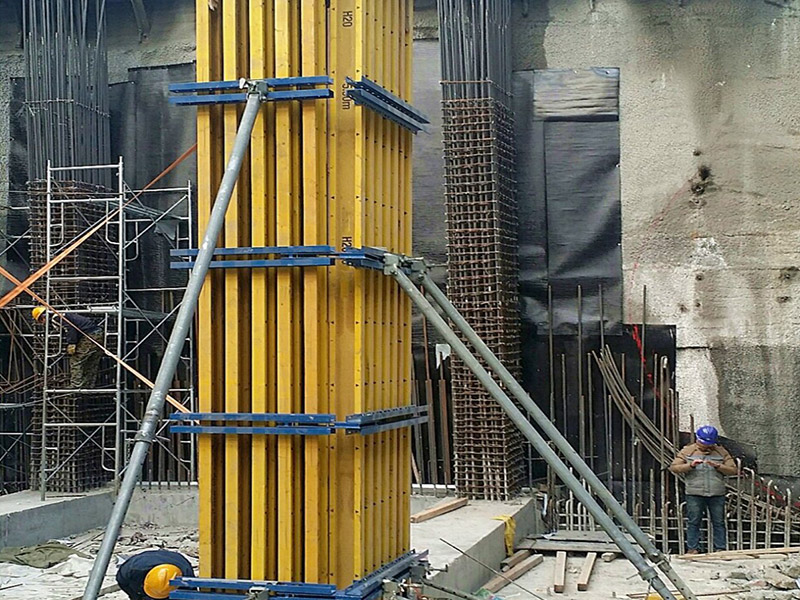
Concrete formwork is the temporary or permanent mold into which concrete is poured, shaped, and cured. It serves as the skeletal framework that dictates the dimensions, alignment, and surface finish of concrete structures. Without robust concrete formwork, achieving precise architectural designs, structural integrity, and aesthetic quality in buildings, bridges, roads, and other infrastructure would be impossible. This article explores the essence of concrete formwork, its types, materials, and critical role in construction projects worldwide.
The Core Purpose of Concrete Formwork
At its heart, concrete formwork acts as a temporary barrier that contains freshly mixed concrete until it hardens. This process ensures that the concrete assumes the desired shape and size while resisting external pressures, such as the weight of the wet mix or environmental forces. Effective formwork systems must balance strength, durability, and cost-efficiency to support complex geometries and heavy loads. Whether constructing a simple residential foundation or a high-rise building, the design and execution of concrete formwork directly impact project timelines, budgets, and safety.
Types of Concrete Formwork Systems
Concrete formwork can be categorized based on material, application, and reusability. Common types include:
1.Timber Formwork: Traditional and flexible, wooden formwork is popular for small to medium projects. It allows for easy customization but requires regular maintenance to prevent swelling or warping.
2.Steel Formwork: Known for durability and reusability, steel formwork suits large-scale constructions. Its high load-bearing capacity makes it ideal for high-rise buildings and heavy concrete pours.
3.Plastic Formwork: Lightweight and corrosion-resistant, plastic formwork is favored for repetitive applications or temporary structures. It reduces labor costs but may lack the rigidity needed for complex designs.
4.Aluminum Formwork: Lightweight yet strong, aluminum systems are modular and reusable, making them efficient for repetitive projects like residential complexes.
5.Stay-in-Place Formwork: Permanent systems, such as insulated concrete forms (ICFs), remain part of the structure after concrete curing, enhancing thermal efficiency and reducing long-term maintenance.
Key Materials and Design Considerations
The selection of materials for concrete formwork depends on project-specific factors like concrete pressure, environmental conditions, and reuse potential.
Plywood, steel, and aluminum dominate the industry due to their availability and adaptability. Designers must also account for:
Load Capacity: Ensuring formwork can withstand dead loads (concrete weight) and live loads (workers, equipment).
Surface Finish: Smooth finishes minimize concrete defects, critical for architectural elements.
Joints and Ties: Properly sealed joints prevent concrete leakage, while ties hold formwork sections together under pressure.
Access and Safety: Formwork must allow for concrete placement, compaction, and worker access while complying with safety standards.

The Construction Process
Installing concrete formwork involves several stages:
Planning and Design: Engineers create detailed drawings specifying formwork dimensions, supports, and access points.
Assembly: Crews erect formwork panels, secure joints, and install braces or shores to stabilize the structure.
Concrete Pour: Fresh concrete is placed into the formwork, often requiring vibration to eliminate air voids.
Curing: The concrete hardens over days or weeks, depending on mix design and environmental conditions.
Stripping: Once cured, formwork is carefully removed to reveal the finished concrete surface.
Each step demands precision, as errors in formwork alignment or stability can lead to costly structural flaws or project delays.
Challenges and Innovations in Concrete Formwork
Modern construction demands increasingly complex designs, pushing formwork technology to evolve. Challenges such as labor shortages, sustainability goals, and tight deadlines have spurred innovations like:
Modular Systems: Pre-engineered components speed up assembly and reduce waste.
3D-Printed Formwork: Customizable molds produced on-site minimize material use and transportation costs.
Digital Twins: BIM (Building Information Modeling) software simulates formwork performance to optimize designs before construction.
Need Custom Scaffolding & Construction Equipment Solutions For Your Projects?
Changzhou Yueyang Machinery specializes in full-range Ringlock Scaffolding, Frame Scaffolding, Formwork, Safety Barrier & Accessory systems for construction, stage event, mining and heavy industry. ISO 9001 certified, comply with EU EN & Australia AS/NZ safety standards. Factory direct one-stop service from drawing customization to full container delivery.
Conclusion
Concrete formwork is far more than a temporary mold—it is the enabling technology behind the world’s most iconic and functional structures. From skyscrapers to highways, its role in shaping concrete into precise, durable forms cannot be overstated. As construction trends prioritize efficiency, sustainability, and innovation, advancements in formwork design will continue to drive progress in the industry. Whether through traditional timber frameworks or cutting-edge digital solutions, concrete formwork remains indispensable to modern building practices, underscoring its status as the silent architect of our built environment. By investing in smarter formwork systems, engineers and builders can unlock new possibilities for design, performance, and resilience in concrete construction.