


 yueyang@yueyangcz.com
How to set up ladder scaffolding
 Feb 27, 2025|
 View:1075
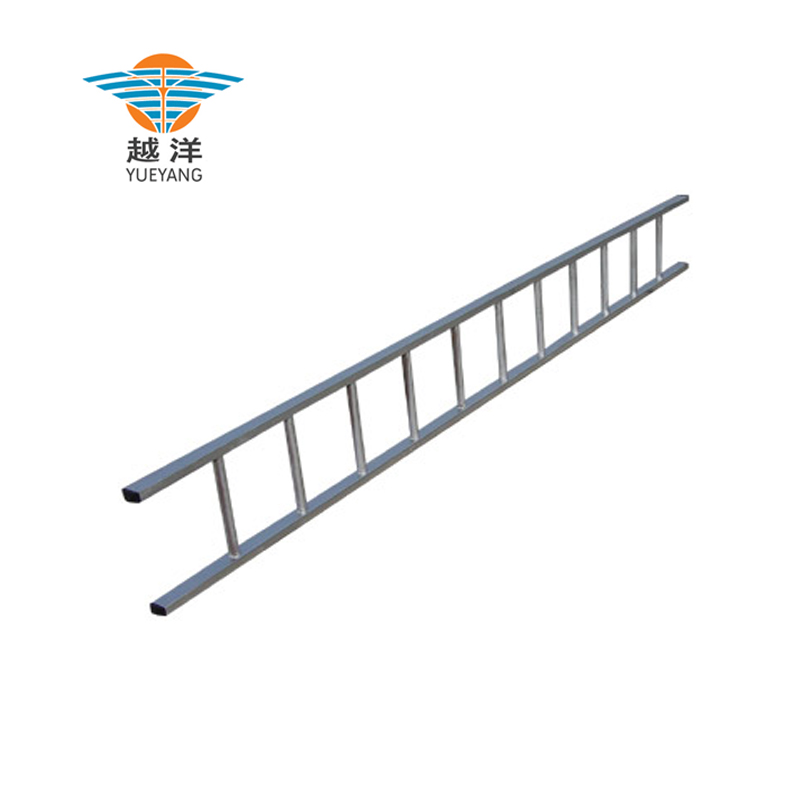
Ladder scaffolding is a versatile and temporary structure widely used in construction, painting, maintenance, and DIY projects to provide safe access to elevated work areas. Unlike traditional fixed scaffolding, ladder scaffolding combines the mobility of ladders with the stability of a scaffold platform, making it ideal for tasks requiring frequent repositioning or limited space.
The term ladder scaffolding refers to systems that integrate ladders, planks, braces, and guardrails to create a stable working platform. Proper setup is critical to ensure safety, prevent accidents, and comply with occupational health regulations. This guide outlines the steps to assemble ladder scaffolding efficiently, highlights essential precautions, and emphasizes best practices for a secure setup.
Step-by-Step Guide to Setting Up Ladder Scaffolding
1.Gather Tools and Materials
Before starting, ensure you have:
Two sturdy extension ladders (height depends on the project).
Scaffold-grade planks or platforms rated for the intended load.
Adjustable ladder jacks or brackets.
Safety harnesses, guardrails, and non-slip footwear.
Level, measuring tape, and wrench for adjustments.
2.Inspect Equipment
Check ladders for cracks, loose rungs, or corrosion. Verify that planks are free of splits or warping. Damaged components compromise the integrity of ladder scaffolding and must be replaced.
3.Position the Ladders
Place the ladders parallel to each other, spaced according to the plank length (typically 4–6 feet apart). Ensure the base is on stable, level ground. Use leg levelers or wooden boards under uneven surfaces to prevent tilting.
4.Attach Ladder Jacks/Brackets
Secure ladder jacks to both ladders at the desired height. Adjust them to align horizontally, ensuring the platform will sit evenly. Tighten all bolts and clamps firmly.
5.Install the Platform
Place scaffold planks across the jacks, ensuring they overlap the brackets by at least 6 inches on each side. Secure planks with ties or hooks to prevent shifting. The platform should not extend beyond the brackets by more than 12 inches.
6.Stabilize the Structure
Add diagonal braces or crossbars between the ladders to enhance rigidity. Attach guardrails if working above 6 feet. Double-check that all connections are tight.
7.Test Stability
Gently shake the ladder scaffolding to confirm it doesn’t wobble. Gradually apply weight to the platform to test load-bearing capacity before full use.
Precautions When Setting Up Ladder Scaffolding
1.Adhere to Weight Limits
Ladder scaffolding components have maximum load ratings. Exceeding these limits risks collapse. Factor in the weight of workers, tools, and materials.
2.Avoid Slippery or Unstable Surfaces
Never set up ladder scaffolding on icy, muddy, or uneven terrain. Use anti-slip mats or gravel to improve traction if necessary.
3.Maintain Three Points of Contact
When climbing, always keep two hands and one foot (or vice versa) on the ladders. Avoid carrying heavy items while ascending or descending.
4.Check Weather Conditions
High winds, rain, or snow can destabilize ladder scaffolding. Postpone work during adverse weather.
5.Regular Inspections
Inspect the setup daily and after any impact or movement. Look for loose bolts, bent brackets, or plank displacement.
6.Use Fall Protection
For heights over 6 feet, OSHA regulations often require harnesses, guardrails, or safety nets. Never lean over guardrails or stand on the top rung of the ladder.
7.Follow Manufacturer Guidelines
Each ladder scaffolding system has unique specifications. Refer to the manual for assembly instructions and compatibility between components.
Need Custom Scaffolding & Construction Equipment Solutions For Your Projects?
Changzhou Yueyang Machinery specializes in full-range Ringlock Scaffolding, Frame Scaffolding, Formwork, Safety Barrier & Accessory systems for construction, stage event, mining and heavy industry. ISO 9001 certified, comply with EU EN & Australia AS/NZ safety standards. Factory direct one-stop service from drawing customization to full container delivery.
Conclusion
Ladder scaffolding is a practical solution for accessing elevated workspaces safely and efficiently. By following the outlined steps—selecting appropriate materials, securing components properly, and stabilizing the structure—you can minimize risks and create a reliable platform. However, safety hinges on vigilance: adhering to weight limits, avoiding environmental hazards, and conducting routine inspections are non-negotiable.
Whether you’re a professional contractor or a DIY enthusiast, prioritizing proper setup and precautions ensures that ladder scaffolding serves as an asset rather than a hazard. Remember, cutting corners during assembly can lead to severe injuries or fatalities. Invest time in mastering these techniques, and always prioritize safety over speed when working at heights.
By integrating these practices, ladder scaffolding becomes not just a tool, but a cornerstone of safe and productive elevated work.