


 yueyang@yueyangcz.com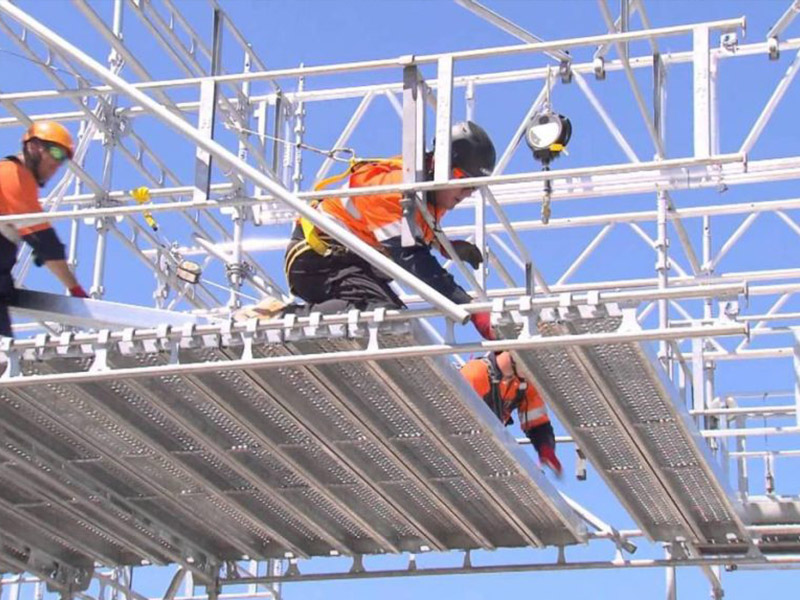
What is the best scaffold system
 Oct 15, 2025|
 View:936
The construction industry relies heavily on scaffold systems to ensure worker safety, operational efficiency, and structural integrity during projects of varying complexities. From high-rise buildings to industrial maintenance, the choice of scaffolding directly impacts project timelines, costs, and risk management. While no single system dominates all scenarios, understanding the strengths of different types enables professionals to select the most suitable option. This article explores the characteristics of leading scaffold systems, their applications, and criteria for determining the "best" choice.
Types of Scaffold Systems and Their Advantages
Scaffold systems fall into two broad categories: traditional tube-and-clamp and modular (system) scaffolding. The latter, which includes ringlock, cuplock, kwikstage, and proprietary designs, has gained prominence due to its pre-engineered components and standardized connections.
1.Ringlock Scaffolding
Ringlock systems are renowned for their versatility and structural sophistication. They feature a central rosette with eight pre-set holes, allowing horizontal and diagonal braces to connect at 90-degree increments. This design enables rapid assembly of complex geometries, such as curved facades or offshore platforms. The system’s rigidity makes it ideal for high-load applications, including industrial maintenance and shipbuilding. Studies highlight its efficiency in reducing labor costs by up to 30% compared to traditional methods, as components interlock without loose fittings.
2.Cuplock Scaffolding
Cuplock systems utilize a vertical post with four cup-shaped connectors at each node. Horizontal tubes slot into these cups, creating a secure joint with minimal tools. This simplicity accelerates erection and dismantling, making it popular for residential and commercial projects with tight deadlines. Its adaptability to uneven terrain and modular nature also suits temporary structures like event stages. However, cuplock’s load capacity is slightly lower than ringlock, limiting its use in heavy-duty industrial settings.
3.Kwikstage Scaffolding
Kwikstage systems employ a wedge-and-slot mechanism for quick assembly. The vertical posts have pre-drilled holes where horizontal and diagonal braces are inserted and locked with wedges. This design is cost-effective for low-rise constructions, such as bricklaying or roofing repairs. While less versatile than ringlock, kwikstage excels in projects requiring frequent reconfiguration, as components can be adjusted without dismantling entire sections.
4.Proprietary Modular Systems
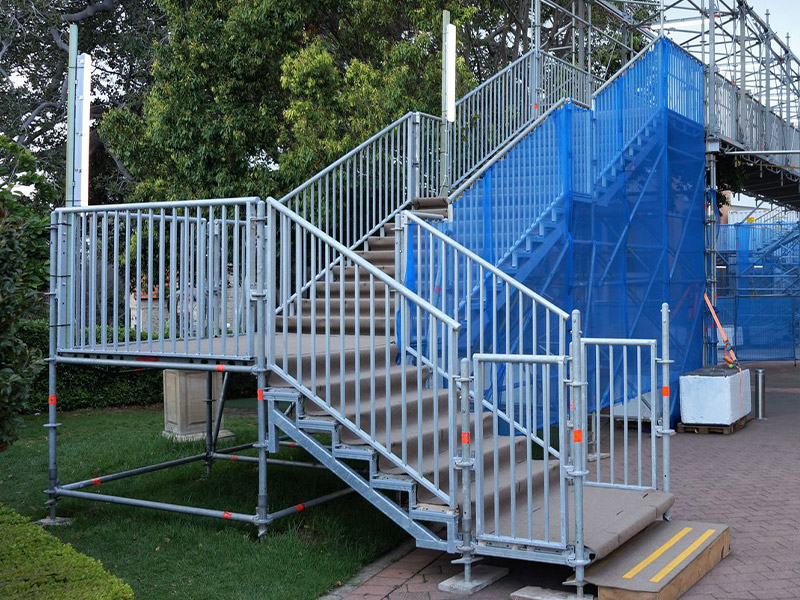
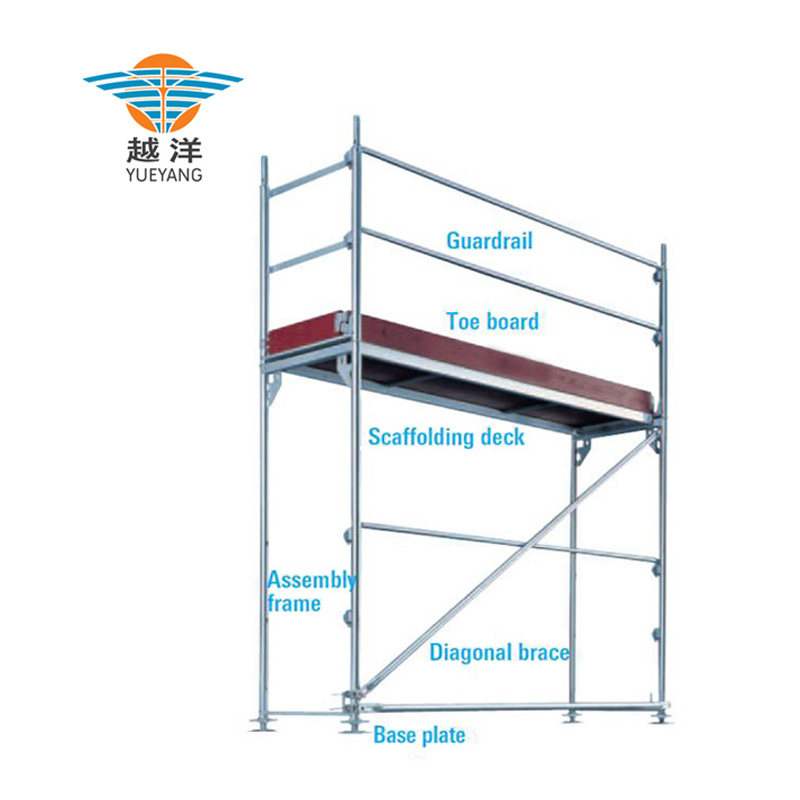
Some manufacturers offer proprietary designs that combine features of multiple systems. For example, certain modular frameworks integrate adjustable bases for sloped ground and telescopic legs for height customization. These systems often include built-in safety features, such as guardrails and anti-slip platforms, reducing the need for additional accessories. Though typically more expensive, their all-in-one nature simplifies procurement and compliance with safety regulations.
Key Factors in Determining the "Best" Scaffold System
Selecting the optimal scaffold system hinges on project-specific requirements:
1.Project Complexity: Curved or irregular structures demand systems like ringlock, which accommodate angular adjustments. Simple rectangular frameworks may suffice with cuplock or kwikstage.
2.Load Capacity: Heavy-duty projects, such as concrete pouring or steel erection, require systems rated for higher loads. Ringlock and proprietary modular designs often exceed standard capacities.
3.Labor Efficiency: Time-sensitive projects benefit from systems with fewer components and intuitive assembly. Cuplock and kwikstage reduce training time for workers.
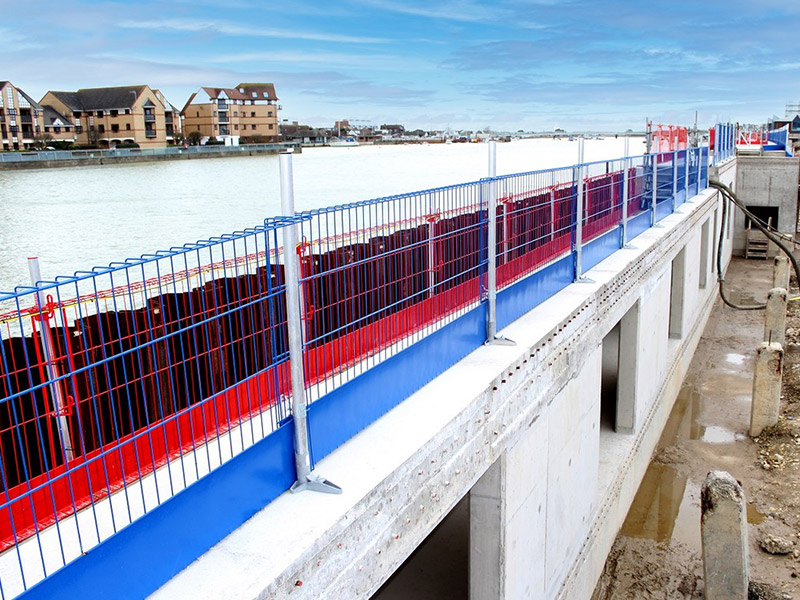
4.Safety Compliance: All systems must adhere to OSHA or local regulations. Features like double guardrails, stable bases, and fall-arrest systems are critical.
5.Cost: While modular systems have higher upfront costs, their reusability and reduced labor hours may offset expenses over multiple projects.
Safety and Risk Mitigation
Scaffold collapses remain a significant hazard, with studies attributing failures to overload, improper assembly, or component defects. The best scaffold systems incorporate fail-safes such as:
Locking Mechanisms: Prevent accidental disconnection of components.
Load-Testing Certifications: Ensure components meet standardized stress tests.
Modular Redundancy: Multiple connection points distribute loads evenly.
For instance, ringlock’s rosette design distributes forces across eight nodes, minimizing single-point failures. Similarly, cuplock’s rigid cups resist lateral movement, enhancing stability on uneven surfaces.
Applications Across Industries
Construction: High-rise buildings favor ringlock for its ability to adapt to changing elevations and shapes. Residential projects often use kwikstage for cost efficiency.
Industrial Maintenance: Offshore platforms and refineries rely on ringlock’s durability in corrosive environments.
Event Management: Cuplock’s rapid assembly suits temporary stages and lighting rigs.
Renewable Energy: Solar panel installations demand lightweight, adjustable systems like modular frameworks with telescopic legs.
Need Custom Scaffolding & Construction Equipment Solutions For Your Projects?
Changzhou Yueyang Machinery specializes in full-range Ringlock Scaffolding, Frame Scaffolding, Formwork, Safety Barrier & Accessory systems for construction, stage event, mining and heavy industry. ISO 9001 certified, comply with EU EN & Australia AS/NZ safety standards. Factory direct one-stop service from drawing customization to full container delivery.
Conclusion: The Role of the Scaffolding System in Project Success
The "best" scaffolding system is not a universal solution but a tailored choice based on project demands. Modular systems like ringlock excel in complexity and load-bearing scenarios, while cuplock and kwikstage offer speed and cost savings for simpler tasks. Proprietary designs bridge gaps by integrating safety and adaptability. Ultimately, the optimal scaffolding system balances efficiency, safety, and compliance, ensuring workers can perform tasks at height with minimal risk. By evaluating structural requirements, labor constraints, and budgetary limits, professionals can select a scaffolding system that not only meets immediate needs but also sets a foundation for successful project execution.