


 yueyang@yueyangcz.com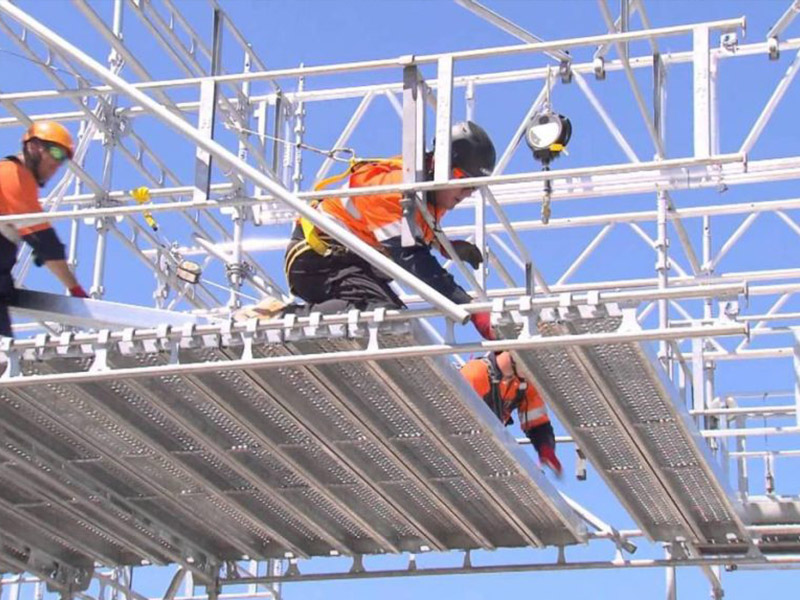
At what height do you need edge protection
 Dec 23, 2025|
 View:729
Workplace safety regulations and construction standards have evolved significantly over the years, emphasizing the importance of protecting workers from falls and other accidents. One critical aspect of ensuring safety in elevated work environments is the implementation of edge protection systems. These systems are designed to prevent falls from heights, which remain one of the leading causes of serious injuries and fatalities in the construction and maintenance industries. Understanding at what height edge protection becomes necessary is crucial for compliance with safety regulations and the well-being of workers.
The Basics of Edge Protection
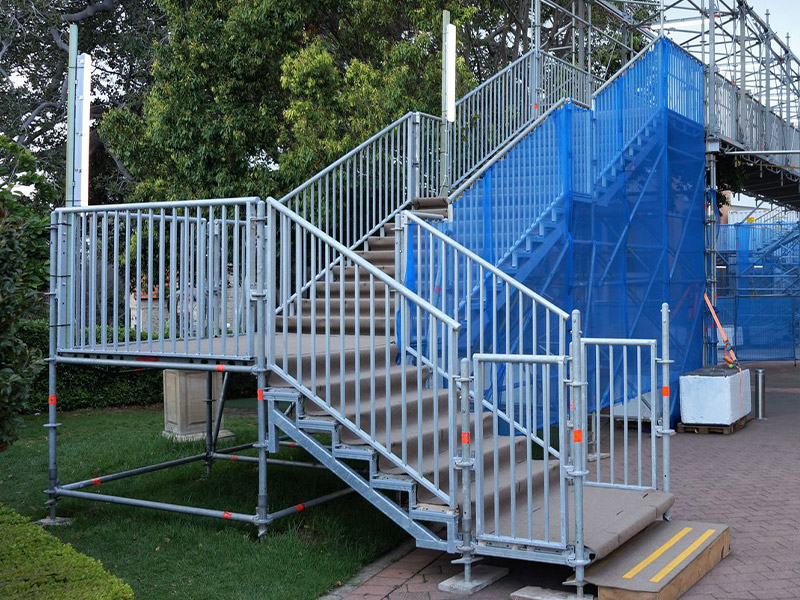
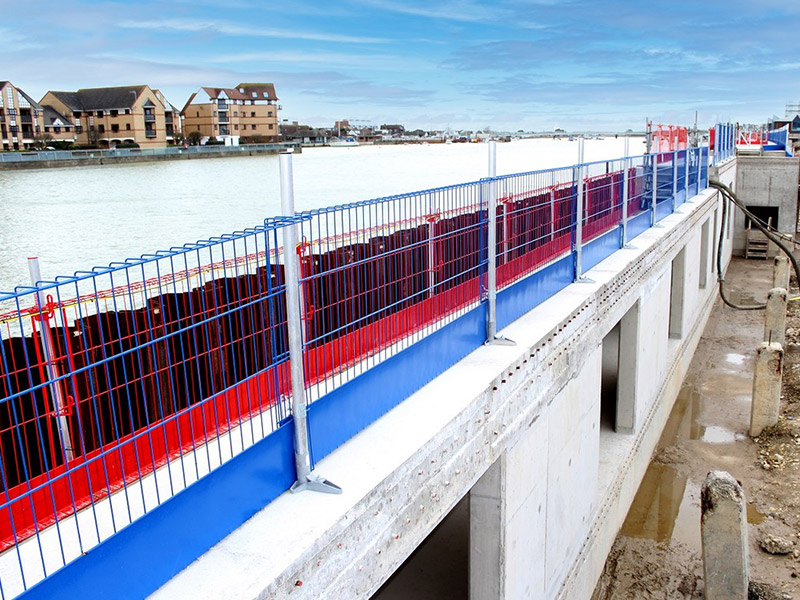
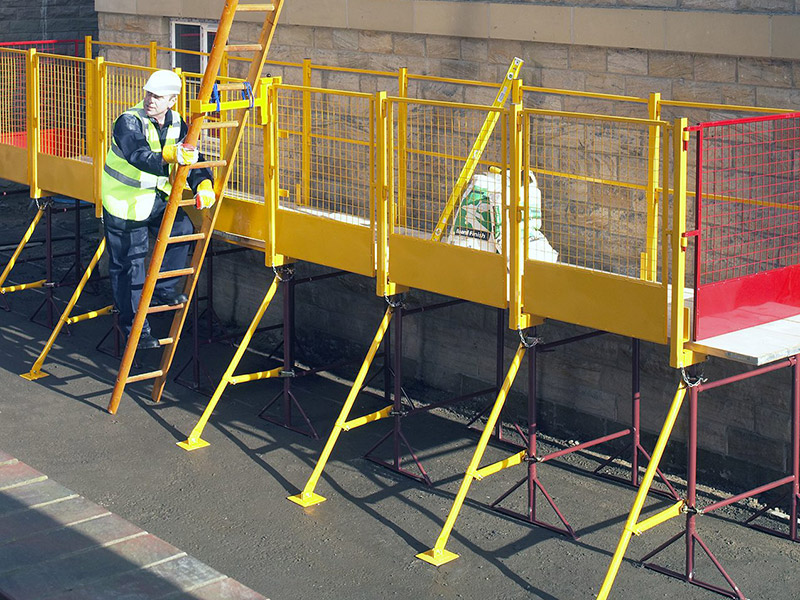
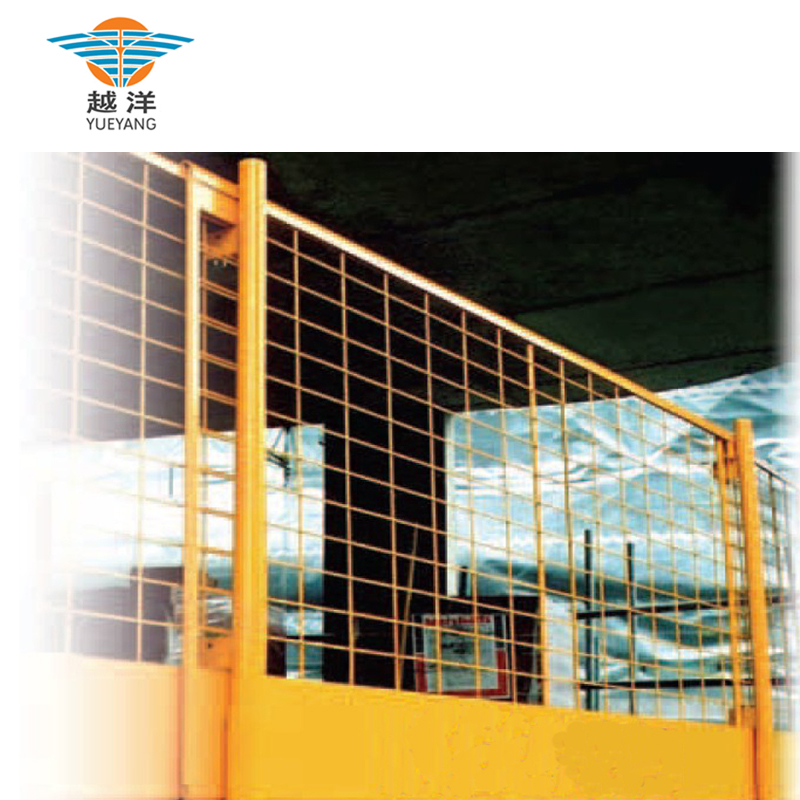
Edge protection refers to a combination of barriers, guardrails, toe boards, and other safety mechanisms installed along the edges of elevated platforms, roofs, scaffolding, and other structures to prevent accidental falls. These systems serve as a physical barrier that stops individuals from stepping or slipping off the edge. The primary components of an edge protection system typically include a top rail, a mid-rail, and toe boards, each playing a specific role in enhancing safety.
Regulatory Requirements
The height at which edge protection is required varies depending on the jurisdiction and the specific regulations in place. However, a common benchmark used globally is the requirement for edge protection at heights of 2 meters (approximately 6.5 feet) or more above ground level. This threshold is based on the understanding that falls from this height or greater can result in severe injuries or fatalities.
In the European Union, the Work at Height Regulations 2005 stipulate that edge protection must be provided when work is carried out at any place where a person could fall a distance liable to cause personal injury. This generally translates to a requirement for edge protection systems at heights of 2 meters or more. Similarly, in the United States, the Occupational Safety and Health Administration (OSHA) mandates that guardrail systems must be installed along open sides and edges of walking-working surfaces that are 6 feet (1.8 meters) or more above a lower level.
Factors Influencing the Need for Edge Protection
While regulatory standards provide a clear guideline, several factors can influence the specific height at which edge protection becomes necessary. These factors include:
1.Nature of Work: The type of work being performed can affect the risk level. For instance, work involving heavy machinery or materials may necessitate edge protection at lower heights due to the increased potential for serious injury in the event of a fall.
2.Surface Conditions: The condition of the surface below the work area also plays a role. Falls onto hard surfaces like concrete pose a greater risk than falls onto softer surfaces like sand or grass, potentially requiring edge protection at lower heights.
3.Worker Experience and Training: The experience and training level of workers can influence the need for edge protection. Inexperienced workers or those not adequately trained in fall prevention techniques may require edge protection at lower heights to mitigate risks.
4.Environmental Conditions: Adverse weather conditions such as strong winds, rain, or ice can increase the risk of slips and falls, necessitating edge protection at lower heights to ensure worker safety.
Implementing an Effective Edge Protection System
When implementing an edge protection system, it is essential to ensure that it meets the relevant safety standards and is suitable for the specific work environment. Key considerations include:
Material Strength: The materials used in the edge protection system must be strong enough to withstand the forces exerted upon them, including the weight of workers and any equipment they may be carrying.
Installation: Proper installation is crucial for the effectiveness of an edge protection system. It must be securely anchored to the structure to prevent collapse or displacement.
Maintenance: Regular inspection and maintenance of the edge protection system are necessary to ensure its continued effectiveness. Any damage or wear should be addressed promptly to prevent accidents.
Need Custom Scaffolding & Construction Equipment Solutions For Your Projects?
Changzhou Yueyang Machinery specializes in full-range Ringlock Scaffolding, Frame Scaffolding, Formwork, Safety Barrier & Accessory systems for construction, stage event, mining and heavy industry. ISO 9001 certified, comply with EU EN & Australia AS/NZ safety standards. Factory direct one-stop service from drawing customization to full container delivery.
Conclusion
Edge protection systems are a vital component of workplace safety, particularly in elevated work environments. While regulatory standards generally require edge protection at heights of 2 meters or more, various factors can influence the specific height at which it becomes necessary. Implementing an effective edge protection system involves selecting appropriate materials, ensuring proper installation, and conducting regular maintenance. By adhering to these guidelines and recognizing the importance of edge protection systems, employers can significantly reduce the risk of falls and create a safer working environment for their employees. Ultimately, the proactive use of edge protection systems not only ensures compliance with safety regulations but also demonstrates a commitment to the well-being and safety of all workers.

Recommended Products

Galvanized Safety Adjustable Rail Clamp Post for Edge Protection

Safety Slab Support Post Of Temporary Fence System For Edge Protection
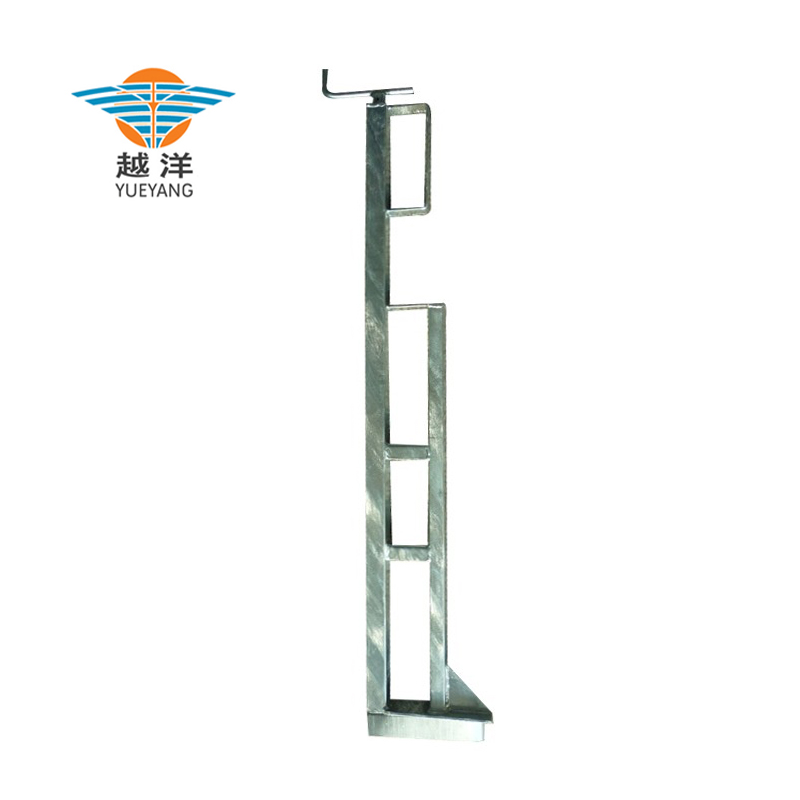
Safety Adjustable Rail Clamp Slab Post For Edge Protection
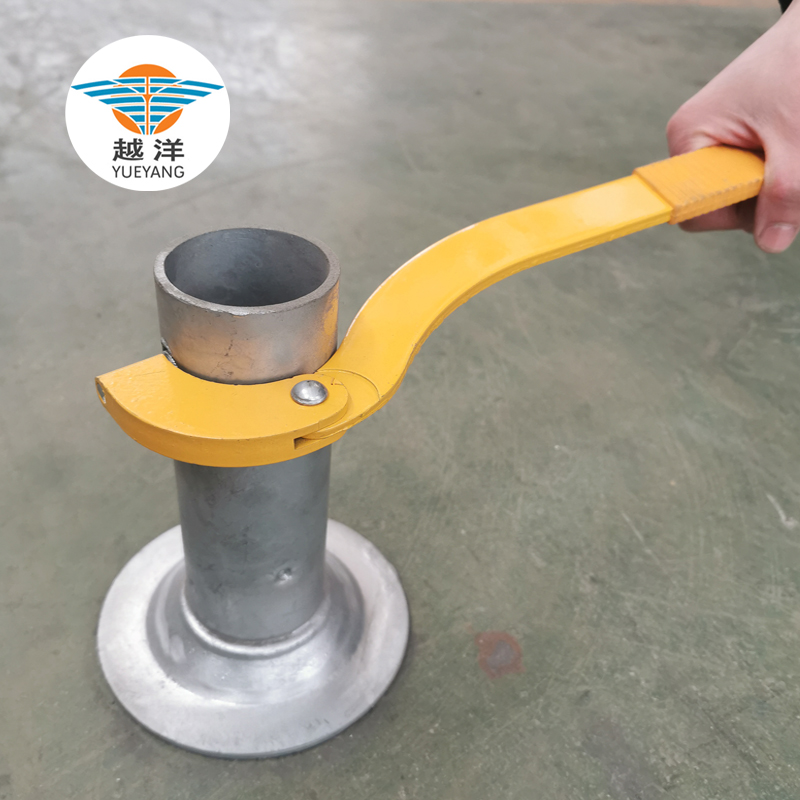
Spanner Tool Of Temporary Fence System For Edge Protection
Socket Post Base Of Temporary Fence System For Edge Protection
Galvanized Steel Safety Temporary Fence for Edge Protection
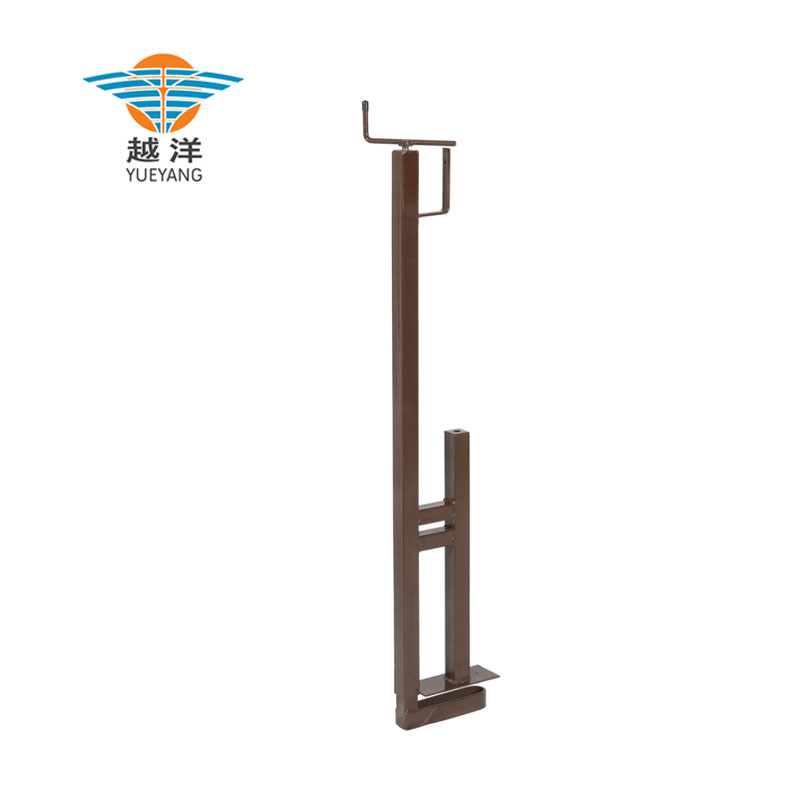
Slab Guardrail System For Edge Protection With Safety Rail Clamp