


 yueyang@yueyangcz.com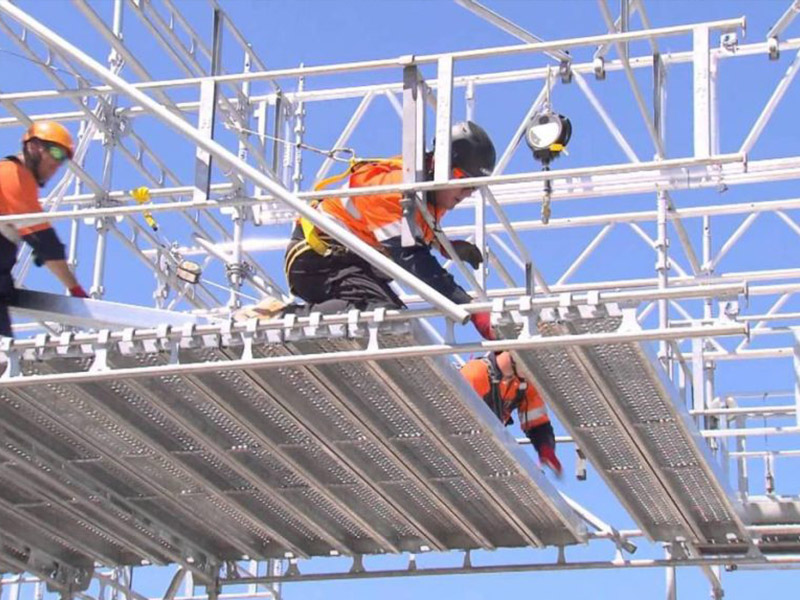
Should I install edge protection
 Nov 12, 2025|
 View:599
Safety in construction, maintenance, and industrial environments is non-negotiable. Among the myriad safety measures available, edge protection systems stand out as a critical component for preventing falls, injuries, and fatalities. But is installing edge protection always necessary? This article explores the factors that determine whether an edge protection system is right for your project, weighing costs, compliance, and long-term benefits.
What Is Edge Protection?
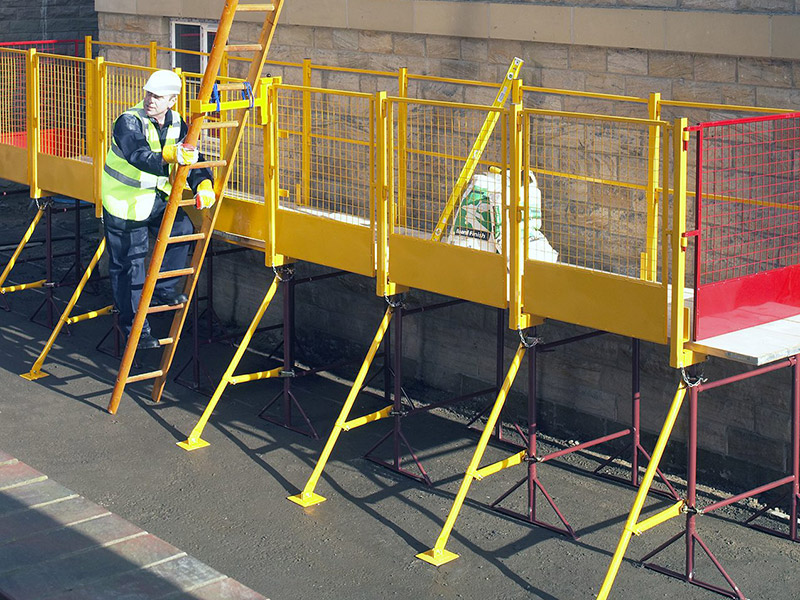
Edge protection refers to systems designed to prevent people or objects from falling off elevated surfaces, such as rooftops, scaffolding, or platforms. These systems typically include guardrails, toe boards, safety nets, or personal fall arrest systems. Modern edge protection systems are engineered to meet stringent safety standards, offering durability and adaptability across diverse environments.
Why Edge Protection Matters
1.Preventing Fatal Falls
Falls from height remain a leading cause of workplace fatalities globally. According to the Occupational Safety and Health Administration (OSHA), nearly 40% of construction-related deaths involve falls. An edge protection system acts as a physical barrier, reducing the risk of accidental slips or missteps.
2.Regulatory Compliance
Many countries mandate edge protection under workplace safety laws. For instance, the U.K.’s Work at Height Regulations 2005 require employers to implement collective protection measures (like guardrails) before resorting to personal equipment. Non-compliance can result in hefty fines, legal liabilities, and project delays.
3.Enhancing Worker Confidence
Knowing that an edge protection system is in place boosts morale and productivity. Workers can focus on tasks without constant fear of falling, leading to fewer errors and a safer work environment.
When Is Edge Protection Required?
Not every situation demands edge protection, but certain scenarios make it indispensable:
1.Construction and Renovation Projects
Any work involving elevated surfaces over 6 feet (1.8 meters) typically requires edge protection. This includes roofing, bridge construction, and high-rise building maintenance.
2.Industrial Settings
Factories, warehouses, and loading docks often use edge protection to secure walkways, mezzanines, or conveyor systems.
3.Temporary Worksites
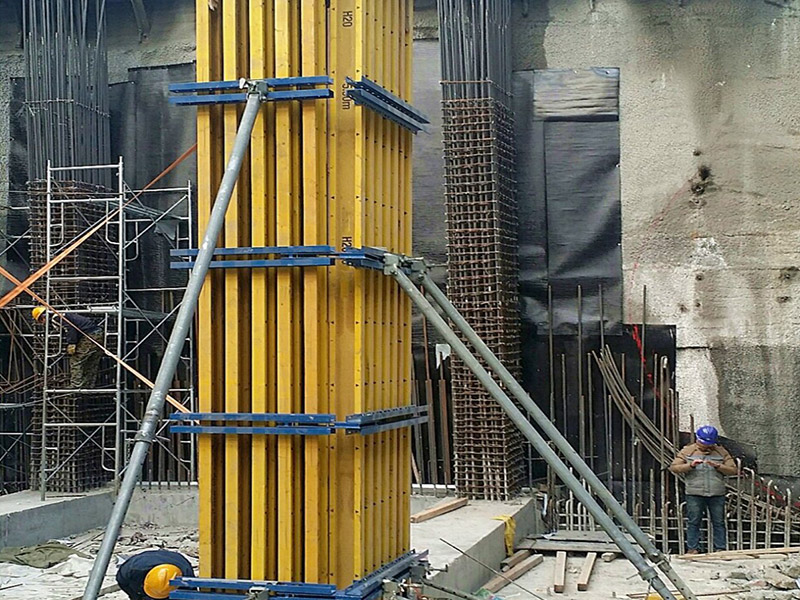
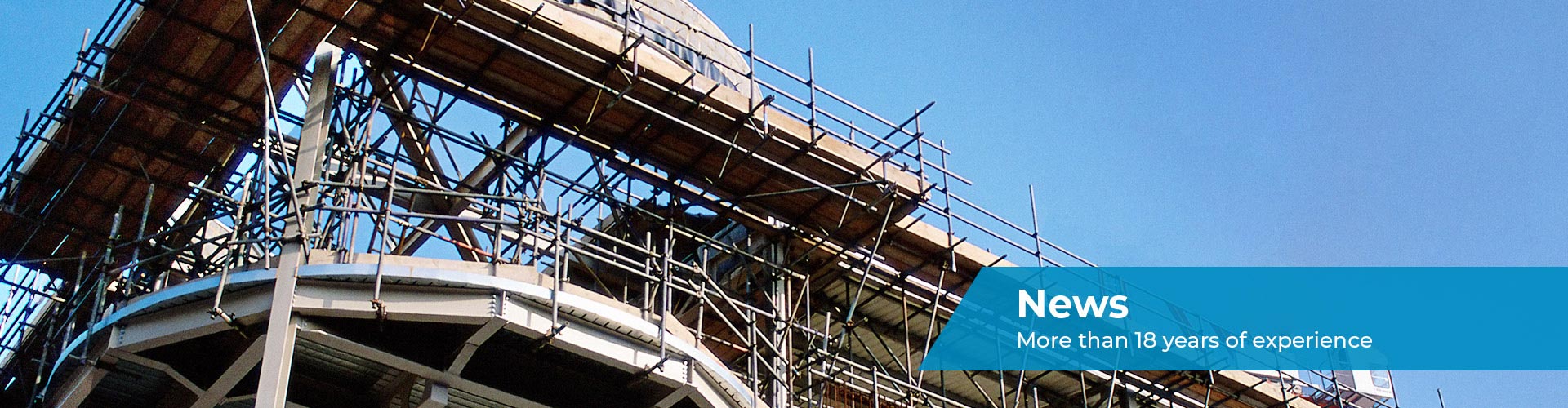
Scaffolding and temporary platforms must incorporate edge protection to comply with safety regulations, even for short-term projects.
4.Public Spaces
Stadiums, theaters, and amusement parks use edge protection to safeguard visitors from falls in elevated areas like balconies or viewing platforms.
Types of Edge Protection Systems
1.Guardrails
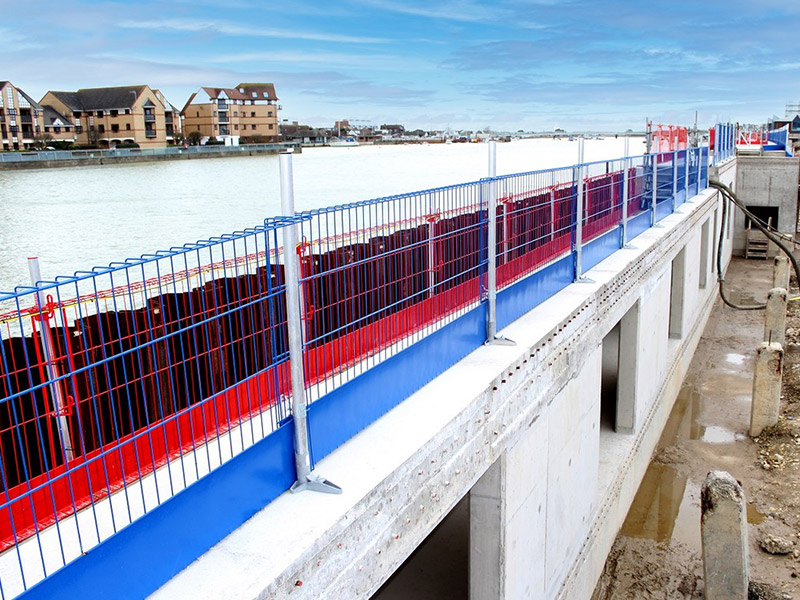
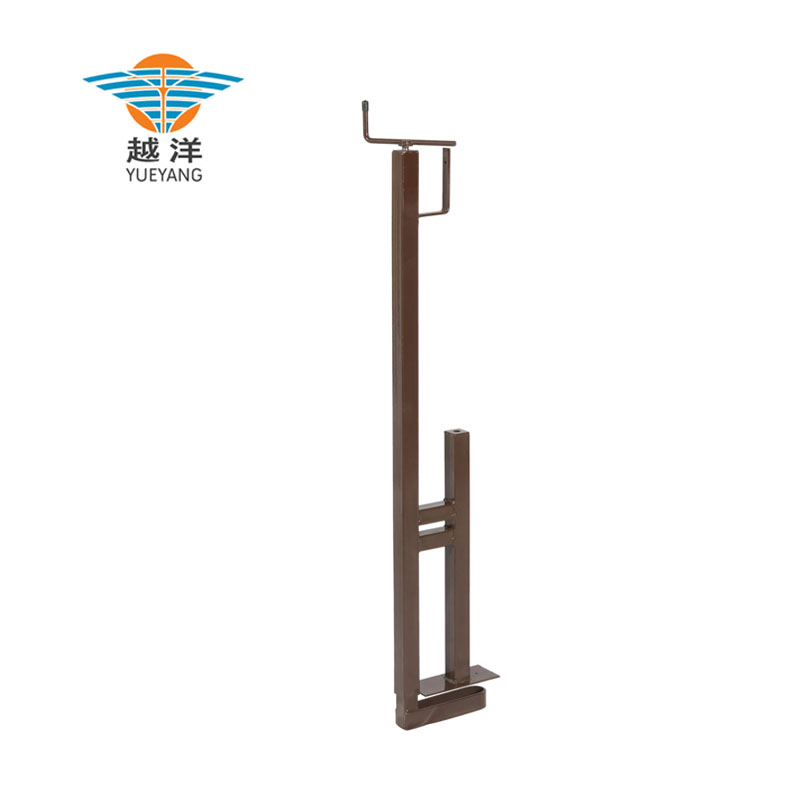
The most common solution, guardrails consist of vertical posts and horizontal rails installed along the edge. They are cost-effective and easy to install.
2.Safety Nets
Nets catch falling workers or debris, ideal for projects where guardrails obstruct workflow.
3.Personal Fall Arrest Systems (PFAS)
While not a traditional edge protection system, PFAS (harnesses and lanyards) are used when barriers are impractical. However, they require rigorous training and maintenance.
4.Modular Edge Protection
Advanced systems use interlocking components for quick assembly on irregular surfaces, such as curved roofs or offshore platforms.
Cost-Benefit Analysis
Critics argue that edge protection systems are expensive, but the long-term savings outweigh initial costs:
Reduced Liability: Fewer accidents mean lower insurance premiums and fewer legal claims.
Avoided Downtime: Injuries halt work, delaying timelines and increasing costs.
Reputation Protection: A safe workplace enhances your brand’s credibility, attracting clients and skilled workers.
Common Misconceptions
1.“Edge Protection Is Only for High-Risk Jobs”
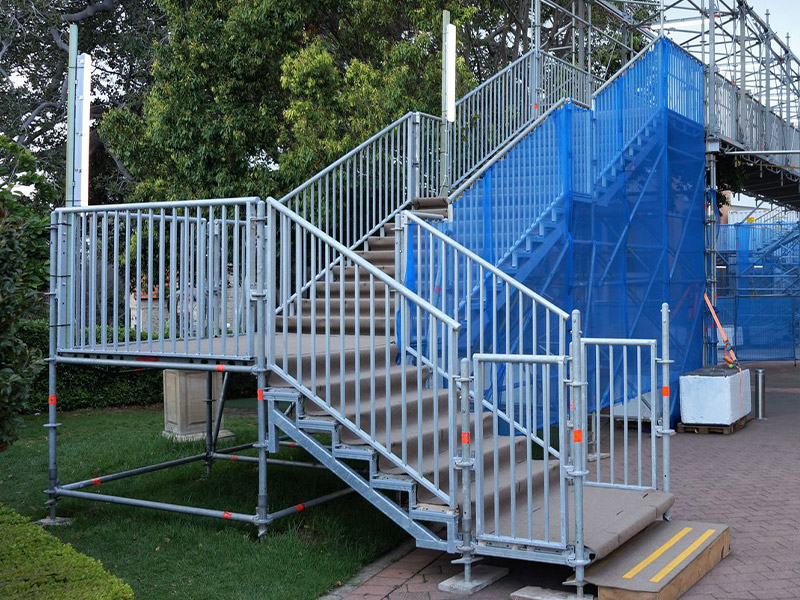
Even low-height falls (e.g., from ladders or stairs) can cause severe injuries. Edge protection systems are scalable and adaptable to various risks.
2.“Temporary Structures Don’t Need It”
Scaffolding and temporary platforms account for a significant portion of fall-related accidents. Edge protection is equally critical here.
3.“DIY Solutions Are Sufficient”
Homemade barriers rarely meet safety standards. Certified edge protection systems undergo rigorous testing to ensure reliability.
Choosing the Right Edge Protection System
Selecting a system depends on:
Project Duration: Temporary setups may use lighter materials, while permanent structures need durable solutions.
Environmental Factors: Corrosion-resistant materials are vital for coastal or chemical-exposed sites.
Ease of Installation: Modular systems save time and labor costs.
Need Custom Scaffolding & Construction Equipment Solutions For Your Projects?
Changzhou Yueyang Machinery specializes in full-range Ringlock Scaffolding, Frame Scaffolding, Formwork, Safety Barrier & Accessory systems for construction, stage event, mining and heavy industry. ISO 9001 certified, comply with EU EN & Australia AS/NZ safety standards. Factory direct one-stop service from drawing customization to full container delivery.
Conclusion
Installing an edge protection system is not merely a regulatory obligation—it is a proactive investment in safety, efficiency, and reputation. Whether for construction, industrial, or public spaces, the risks of unprotected edges far outweigh the costs of implementation. Modern edge protection systems offer versatility, compliance, and peace of mind, making them indispensable in high-risk environments. By prioritizing edge protection, organizations demonstrate a commitment to worker welfare and operational excellence. In an era where safety standards are ever-evolving, integrating a robust edge protection system is not just wise—it is essential.

Recommended Products

Galvanized Safety Adjustable Rail Clamp Post for Edge Protection

Safety Slab Support Post Of Temporary Fence System For Edge Protection
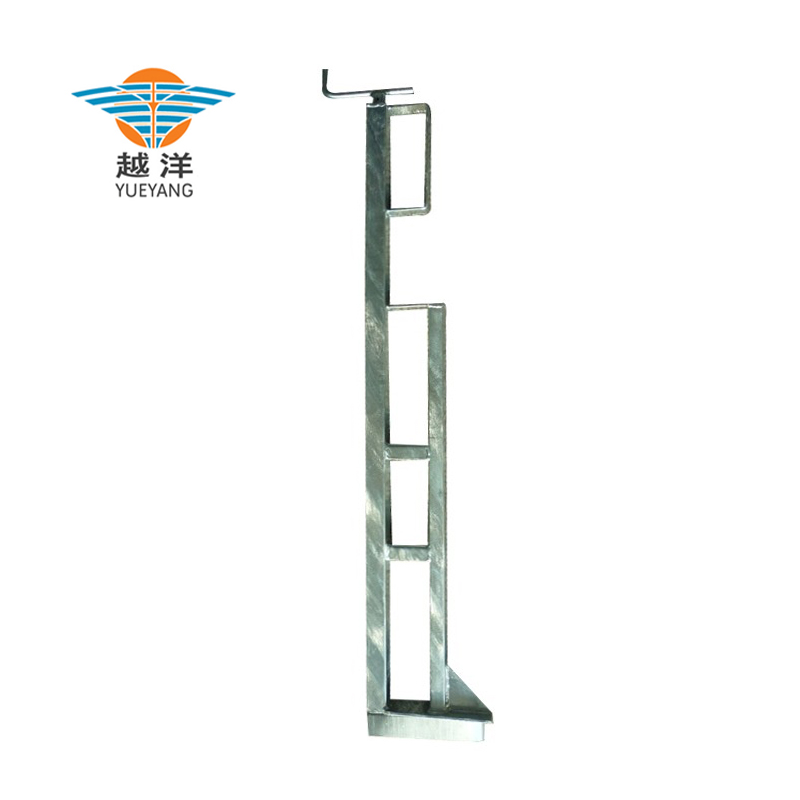
Safety Adjustable Rail Clamp Slab Post For Edge Protection
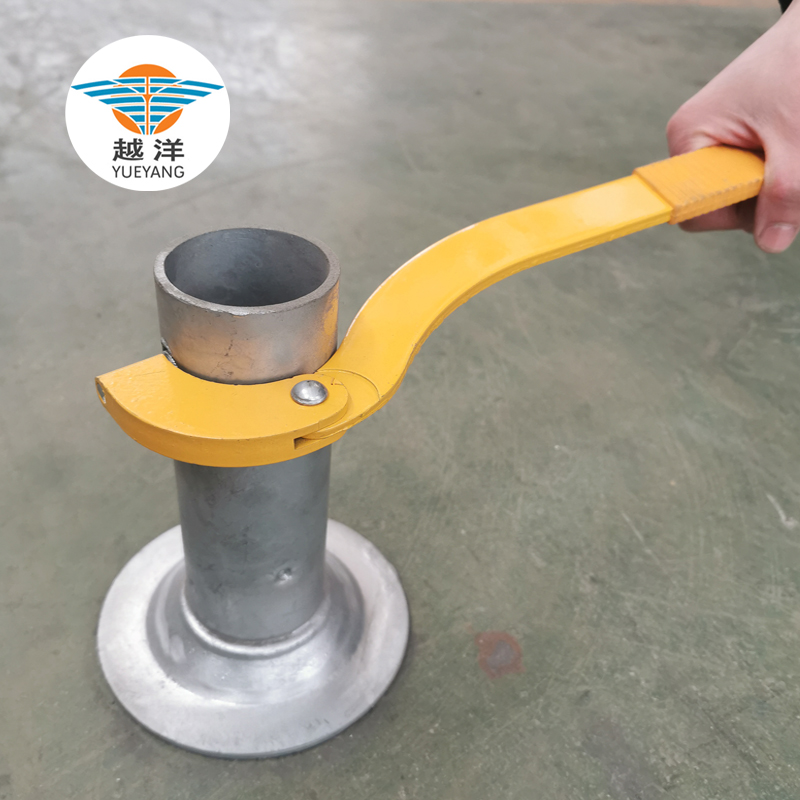
Spanner Tool Of Temporary Fence System For Edge Protection
Socket Post Base Of Temporary Fence System For Edge Protection