

 yueyang@yueyangcz.com
Can cuplock scaffolding be reused
 Nov 10, 2025|
 View:573
The construction industry’s demand for cost-effective, durable, and sustainable scaffolding solutions has made cuplock scaffolding a popular choice globally. Characterized by its modular design and patented cup-and-blade locking mechanism, this system offers a blend of efficiency and safety. A critical question arises: Can cuplock scaffolding be reused across multiple projects without compromising performance or safety? The answer lies in its inherent design, material durability, and adherence to maintenance protocols, which collectively enable its long-term reusability while meeting economic and environmental goals.
Design Features Supporting Reusability
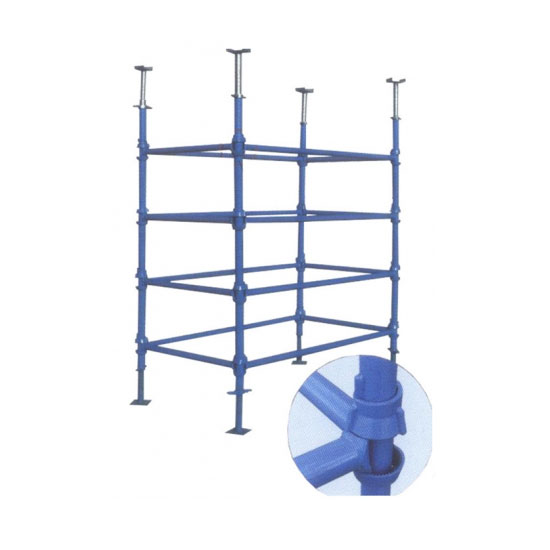
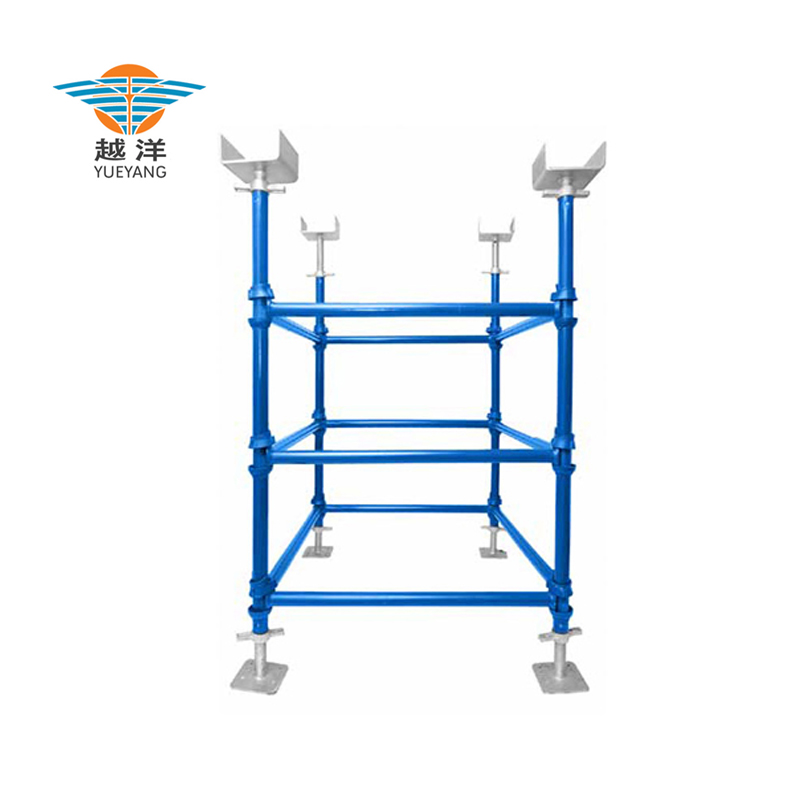
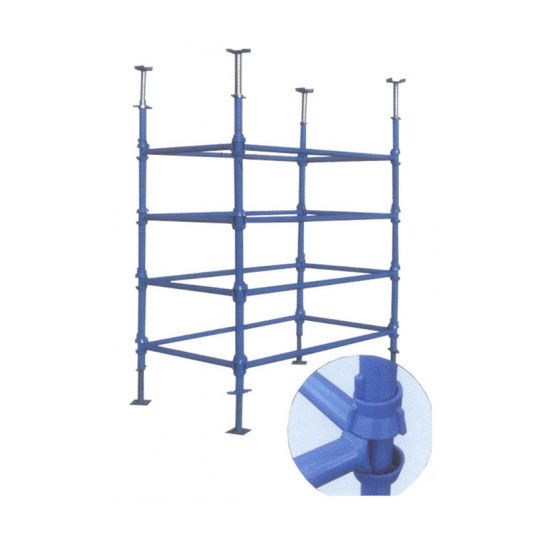
Cuplock scaffolding’s reusability stems from its modular components and simplified assembly process. The system consists of vertical standards, horizontal ledgers, diagonal braces, and connectors, all interlocked via a cup-shaped node at the top and bottom of each standard. This design allows for rapid assembly and disassembly without specialized tools, reducing labor costs and time. For instance, a single worker can erect a 10-meter-high scaffold in under two hours using cuplock components, compared to traditional systems requiring bolted connections.
The cup-and-blade mechanism ensures secure connections even under heavy loads. The top cup rotates to lock horizontal ledgers into the bottom cup’s grooves, creating a rigid structure capable of bearing up to 65 kN per node (as per engineering tests). This load-bearing capacity, combined with the system’s ability to withstand dynamic forces from wind or worker movement, makes it ideal for large-scale projects like bridge construction or high-rise buildings.
Material Durability and Longevity
Cuplock scaffolding is typically manufactured from Q235 or Q345 steel, known for their high tensile strength and resistance to deformation. These materials undergo hot-dip galvanization (HDG) or powder coating to protect against corrosion, extending their lifespan in harsh environments. For example, a study by Tianjin Easy Scaffolding Co., Ltd. found that HDG-treated cuplock components retained structural integrity for over 10 years in coastal regions with high humidity and salt exposure, compared to 3–5 years for untreated steel.
Second-hand cuplock scaffolding, when properly maintained, can last 3–7 years depending on usage frequency and environmental conditions. Regular inspections for cracks, rust, or bent components are crucial. A 2024 case study in Saudi Arabia demonstrated that reusing cuplock systems across three consecutive projects reduced material costs by 40% compared to purchasing new equipment each time, without compromising safety standards.
Economic and Environmental Benefits
Reusing cuplock scaffolding aligns with circular economy principles, minimizing waste and reducing the carbon footprint of construction activities. The system’s reusability cuts demand for raw materials like steel, lowering energy consumption associated with production. For instance, recycling 1 ton of cuplock steel saves 1.5 tons of CO2 emissions, equivalent to planting 24 trees annually.
From a financial perspective, reusability translates to significant cost savings. A 2025 analysis by Wellmade Scaffold revealed that a mid-sized construction firm could save $120,000 over five years by reusing cuplock components across 10 projects, versus disposable alternatives. This economic advantage is amplified in regions with stringent sustainability regulations, where reusable systems qualify for tax incentives or green building certifications.
Safety Considerations for Reuse
While cuplock scaffolding’s design supports reusability, safety must remain paramount. Pre-erection inspections are mandatory to identify worn or damaged components. For example, a cracked top cup or bent ledger blade can compromise structural integrity, increasing the risk of collapse. The Occupational Safety and Health Administration (OSHA) mandates that all reused scaffolding undergo load testing and visual checks before each project.
Proper storage is equally critical. Components should be stored indoors or under waterproof covers to prevent corrosion. A 2023 incident in Indonesia highlighted the consequences of neglect: improperly stored cuplock standards corroded over six months, leading to a scaffold failure that injured three workers. Regular maintenance, including lubrication of moving parts and replacement of worn couplers, ensures longevity.
Industry Adoption and Global Trends
Cuplock scaffolding’s reusability has driven its adoption in 60+ countries, including the UK, USA, and Gulf nations. In the UAE, oil and gas contractors reuse cuplock systems for offshore platform maintenance, leveraging their corrosion resistance and quick assembly. Similarly, European firms integrate cuplock with other modular systems like Ringlock or Layher for enhanced versatility.
The rise of digital tools further supports reuse. Apps like Scaffold Manager track component usage, schedule maintenance, and generate compliance reports, streamlining lifecycle management. This digitalization reduces administrative overhead and ensures adherence to safety standards.
Need Custom Scaffolding & Construction Equipment Solutions For Your Projects?
Changzhou Yueyang Machinery specializes in full-range Ringlock Scaffolding, Frame Scaffolding, Formwork, Safety Barrier & Accessory systems for construction, stage event, mining and heavy industry. ISO 9001 certified, comply with EU EN & Australia AS/NZ safety standards. Factory direct one-stop service from drawing customization to full container delivery.
Conclusion
Cuplock scaffolding’s reusability is not merely a theoretical advantage but a proven, cost-effective solution for the construction industry. Its modular design, durable materials, and compatibility with safety protocols enable multiple deployments across diverse projects. By prioritizing regular inspections, proper storage, and maintenance, firms can maximize the lifespan of cuplock systems while reducing environmental impact and operational costs. As sustainability becomes a non-negotiable criterion, cuplock scaffolding stands out as a reusable, reliable, and responsible choice for modern construction challenges. Its ability to balance efficiency, safety, and eco-friendliness ensures its relevance in an era demanding smarter, greener infrastructure solutions.