


 yueyang@yueyangcz.com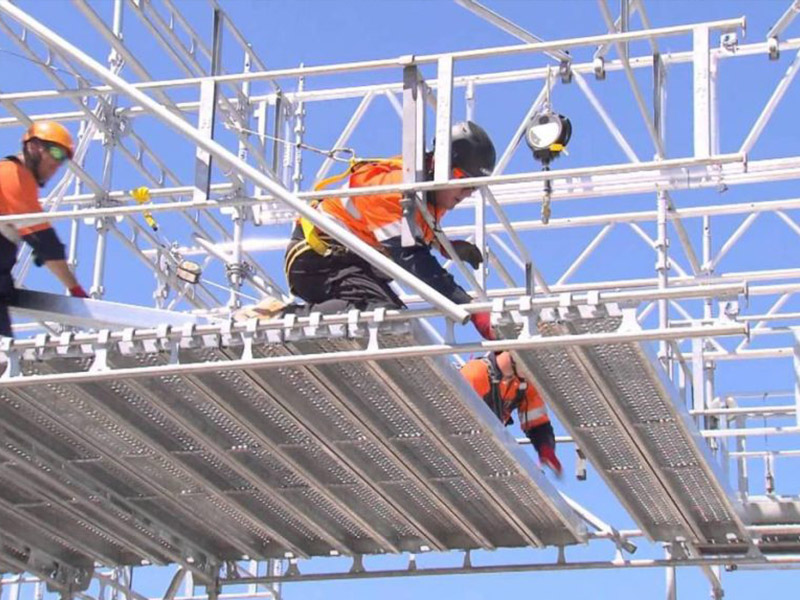
What is the difference between indoor and outdoor scaffolding
 Nov 05, 2025|
 View:859
Scaffolding is an indispensable tool in construction, maintenance, and renovation projects, providing temporary structures to support workers and materials at elevated heights. While its fundamental purpose remains consistent—ensuring safety and accessibility—the design, materials, and applications of scaffolding vary significantly depending on whether it is used indoors or outdoors. Understanding the differences between indoor scaffolding and outdoor scaffolding is crucial for selecting the right system for a project, optimizing safety, and controlling costs. This article explores the distinct characteristics of each type, their applications, and how to choose between them.
What Is Indoor Scaffolding?
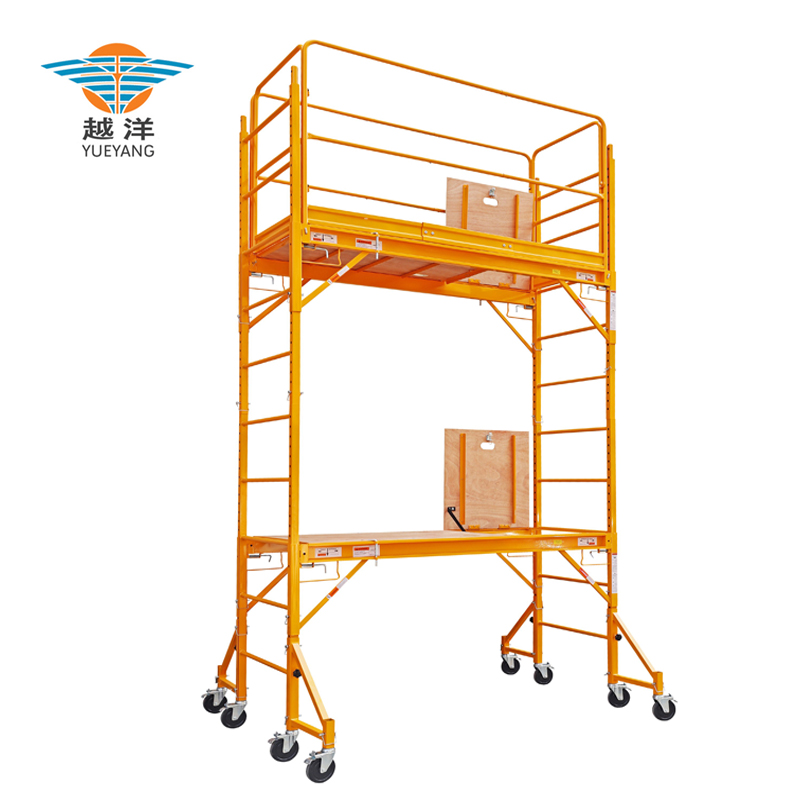
Indoor scaffolding refers to temporary structures erected within enclosed spaces, such as buildings, warehouses, or factories. These systems are designed to navigate the constraints of interior environments, including low ceilings, narrow hallways, and fragile flooring.
Key Features of Indoor Scaffolding:
1.Compact Design: Indoor scaffolding is typically lighter and more modular than outdoor systems. Components like folding frames, adjustable legs, and narrow bases allow it to fit through doorways and maneuver around obstacles.
2.Material Choices: Aluminum is a common material for indoor scaffolding due to its lightweight nature and resistance to corrosion, which is less critical indoors. Some systems also use steel for heavier-duty tasks.
3.Height Limitations: Most indoor projects involve moderate heights (e.g., ceiling repairs, lighting installations), so indoor scaffolding rarely exceeds 20 feet.
4.Stability on Flat Surfaces: Unlike outdoor systems, indoor scaffolding does not require heavy-duty bracing for wind resistance. Instead, it relies on stable, level flooring.
Applications of Indoor Scaffolding:
Painting or cleaning high walls and ceilings.
Installing electrical fixtures or HVAC systems.
Renovating interior spaces, such as theaters or malls.
Warehouse stocktaking or shelf maintenance.
What Is Outdoor Scaffolding?
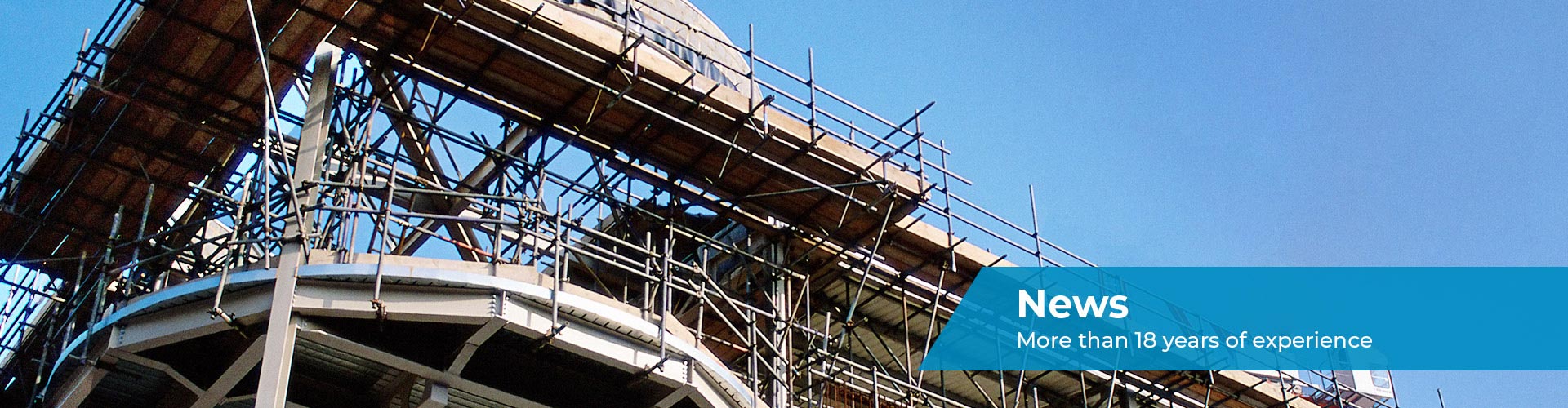
Outdoor scaffolding, in contrast, is built to withstand the challenges of open-air environments, including weather, uneven terrain, and higher elevations. These systems are often used in construction, bridge repairs, and exterior building maintenance.
Key Features of Outdoor Scaffolding:
1.Robust Construction: Outdoor scaffolding uses heavier materials like steel to ensure durability against wind, rain, and impact.
2.Height and Scale: These systems can reach hundreds of feet, requiring advanced safety features such as guardrails, tie-ins to buildings, and diagonal bracing to prevent sway.
3.Adaptability to Terrain: Outdoor scaffolding often includes adjustable bases or leveling jacks to accommodate sloped or uneven ground.
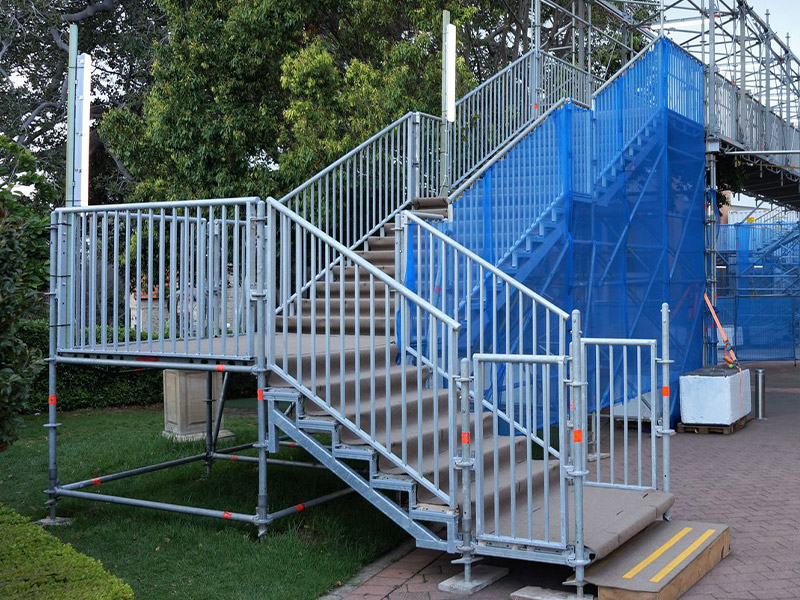
4.Weather Resistance: Components may be galvanized or powder-coated to prevent rust, while tarps or enclosures can protect workers from rain or snow.
Applications of Outdoor Scaffolding:
Building facade repairs or repainting.
Constructing multi-story structures.
Maintaining bridges, stadiums, or large public installations.
Window replacement or roofing projects.
Key Differences Between Indoor and Outdoor Scaffolding
1.Design and Materials:
Indoor scaffolding prioritizes portability and compactness, often using aluminum.
Outdoor scaffolding emphasizes strength and weather resistance, typically relying on steel.
2.Safety Requirements:
Indoor systems focus on preventing falls from moderate heights and ensuring stability on flat surfaces.
Outdoor systems must counteract wind loads, unstable ground, and corrosion, requiring more rigorous bracing and anchoring.
3.Setup Complexity:
Indoor scaffolding can often be assembled by a small team without specialized equipment.
Outdoor scaffolding may demand heavy machinery, certified installers, and permits due to its scale and risk factors.
4.Cost:
Indoor scaffolding is generally cheaper due to its simpler design and lighter materials.
Outdoor scaffolding incurs higher costs for materials, labor, and safety compliance.
Which Is More Worth Choosing: Indoor or Outdoor Scaffolding?
The choice between indoor scaffolding and outdoor scaffolding depends on the project’s environment, scale, and duration.
Opt for Indoor Scaffolding When:
The work occurs inside a building or enclosed space.
The height requirement is under 20 feet.
Budget and portability are priorities.
Choose Outdoor Scaffolding When:
The project involves exterior work or unstable terrain.
Heights exceed 20 feet, or weather exposure is a concern.
Compliance with strict safety regulations is mandatory.
In some cases, hybrid systems combine features of both. For example, a warehouse renovation might use indoor scaffolding for interior tasks while employing outdoor-style bracing near large doors or skylights.
Need Custom Scaffolding & Construction Equipment Solutions For Your Projects?
Changzhou Yueyang Machinery specializes in full-range Ringlock Scaffolding, Frame Scaffolding, Formwork, Safety Barrier & Accessory systems for construction, stage event, mining and heavy industry. ISO 9001 certified, comply with EU EN & Australia AS/NZ safety standards. Factory direct one-stop service from drawing customization to full container delivery.
Conclusion
Indoor scaffolding and outdoor scaffolding serve distinct purposes, shaped by their environments and engineering demands. While indoor systems excel in compactness and cost-efficiency for enclosed projects, outdoor scaffolding provides the robustness needed for high-rise construction and weather-exposed tasks. Selecting the right type requires evaluating factors like height, terrain, budget, and safety standards.
Ultimately, indoor scaffolding remains the go-to solution for interior renovations, whereas outdoor systems are indispensable for large-scale exterior projects. By aligning the scaffolding choice with the project’s unique needs, contractors and workers can ensure efficiency, safety, and success. Whether navigating a narrow hallway or scaling a skyscraper, the right scaffolding makes all the difference.