

 yueyang@yueyangcz.com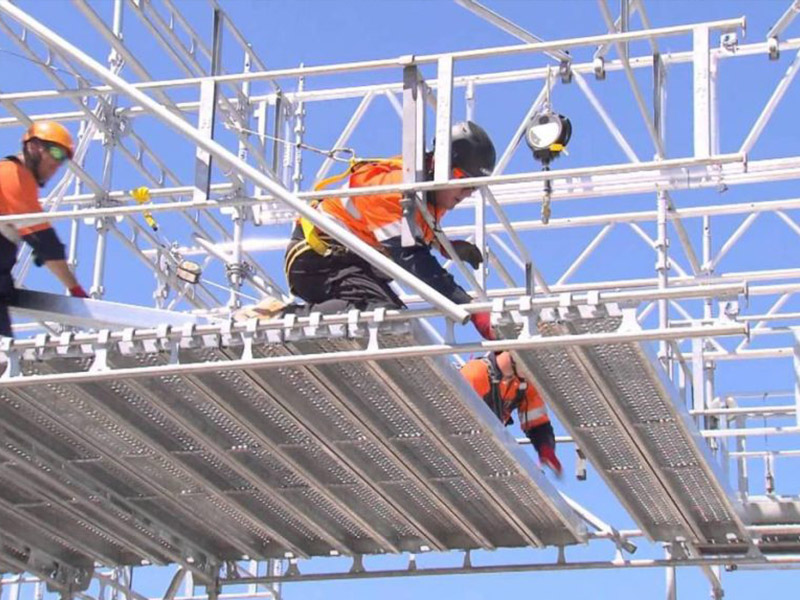

What is ringlock system scaffolding
 Oct 29, 2025|
 View:785
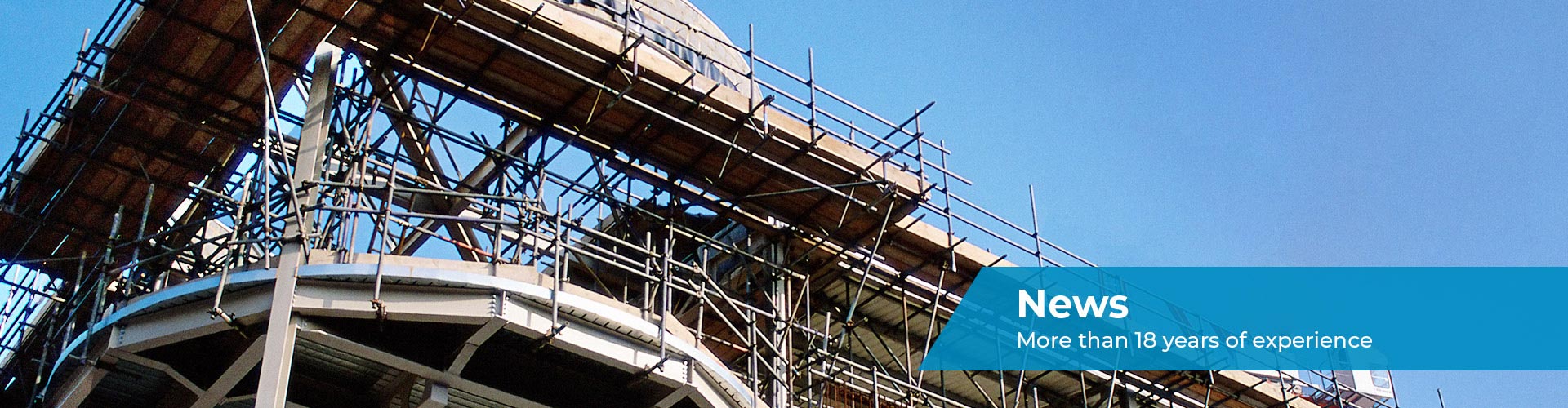
In the realm of modern construction and industrial maintenance, scaffolding systems play a pivotal role in ensuring worker safety, operational efficiency, and structural adaptability. Among the diverse array of scaffolding solutions, the ringlock system scaffolding has emerged as a revolutionary modular framework, distinguished by its innovative design, rapid assembly capabilities, and unparalleled versatility. This article delves into the core features, advantages, and applications of ringlock scaffolding, shedding light on why it has become a preferred choice for complex projects worldwide.
Core Components and Design Philosophy
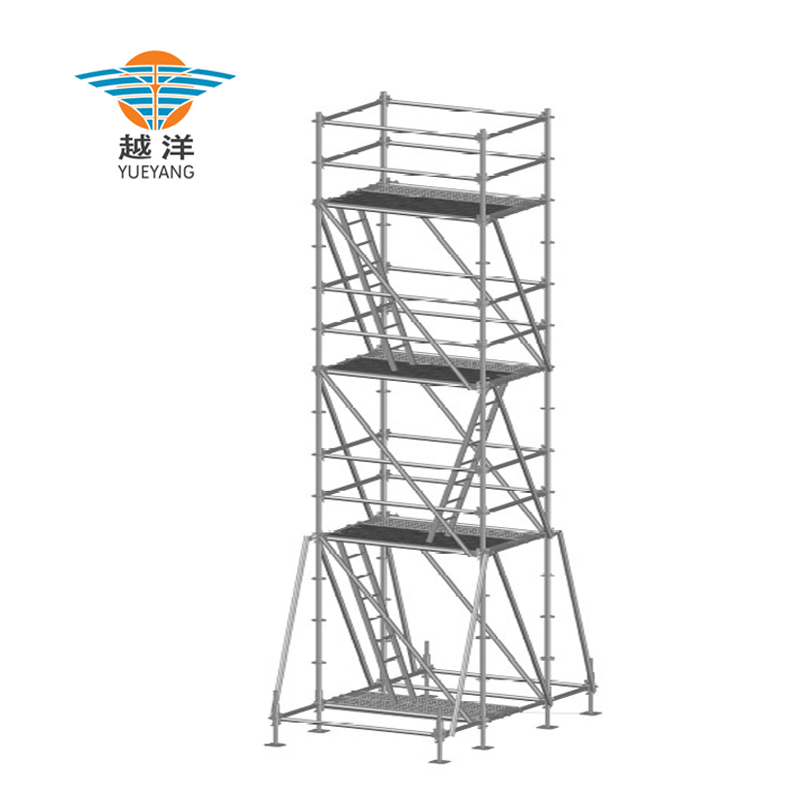
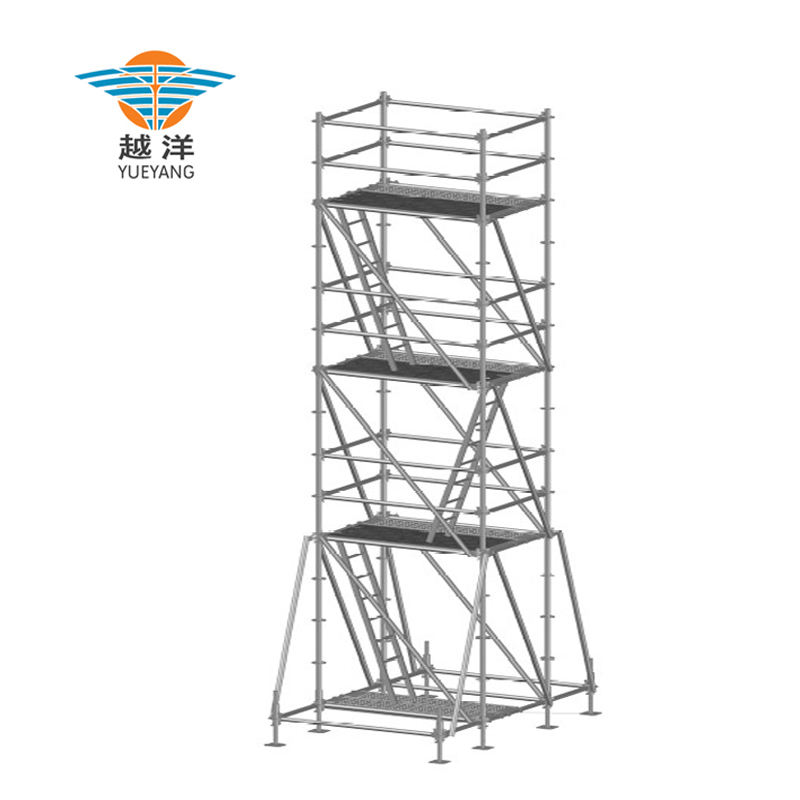
The ringlock system scaffolding is a prefabricated, modular framework composed of three primary components: vertical posts, horizontal beams, and diagonal braces. At the heart of its design lies the rosette connector, a circular plate with eight strategically positioned holes that enable the connection of up to eight horizontal or diagonal members. This patented joint mechanism eliminates the need for traditional bolts or wedges, allowing for instantaneous angular adjustments between 30° and 360°.
Vertical posts are spaced at 500mm intervals, providing a standardized grid for horizontal beam placement. The system accommodates bay widths ranging from 0.6m to 3.0m, making it adaptable to both compact residential projects and expansive industrial structures. Additionally, components such as base collars, screw jacks, and guardrail systems enhance stability and safety, while lightweight aluminum or high-strength steel materials ensure durability without compromising portability.
Key Advantages of Ringlock Scaffolding
1.Speed and Efficiency in Assembly
Ringlock scaffolding redefines efficiency with its "plug-and-play" design. Horizontal beams are inserted into tapered holes on the vertical posts and secured with a single tap, eliminating the need for multiple fastenings. This streamlined process reduces assembly time by 30–50% compared to traditional systems like cuplock or tubular scaffolding. For instance, a 100m² scaffolding structure can be erected in under four hours by a small crew, significantly cutting labor costs and project timelines.
2.Unmatched Versatility
The system’s adaptability stems from its rosette connector, which accommodates complex geometries with ease. Whether constructing curved facades, triangular trusses, or multi-level birdcage structures, ringlock scaffolding offers virtually unlimited angular flexibility. This makes it ideal for projects involving irregular shapes, such as stadiums, bridges, or heritage building renovations. The 500mm vertical spacing further enables precise elevation adjustments, catering to sloped terrains or stepped designs.
3.Enhanced Safety and Stability
Safety is paramount in ringlock scaffolding design. The interlocking components create a rigid, wobble-free platform, minimizing the risk of accidents. Guardrails, toe boards, and ladder access systems are integrated seamlessly, ensuring compliance with international safety standards like OSHA and EN. The system’s high load-bearing capacity—tested to withstand dynamic loads of up to 60kN per bay—makes it suitable for heavy-duty applications, including concrete pouring and steel erection.
4.Cost-Effectiveness and Sustainability
While the initial investment in ringlock scaffolding may be higher than traditional systems, its long-term benefits outweigh the costs. The reduced assembly time lowers labor expenses, and the durability of galvanized steel or aluminum components minimizes maintenance and replacement costs. Additionally, the modular design reduces material waste, aligning with sustainable construction practices.
5.Portability and Storage Efficiency
Lightweight aluminum variants of ringlock scaffolding weigh up to 40% less than steel counterparts, facilitating easy transportation between sites. The compact stacking of components optimizes storage space, reducing logistical complexities for contractors managing multiple projects.
Applications Across Industries
Ringlock scaffolding’s versatility extends across diverse sectors:
Construction: From high-rise buildings to residential renovations, the system adapts to varying elevations and shapes.
Industrial Maintenance: Ideal for accessing tanks, silos, and pipelines in refineries or power plants.
Infrastructure Projects: Used in bridge construction, tunnel lining, and dam repairs due to its load-bearing capacity.
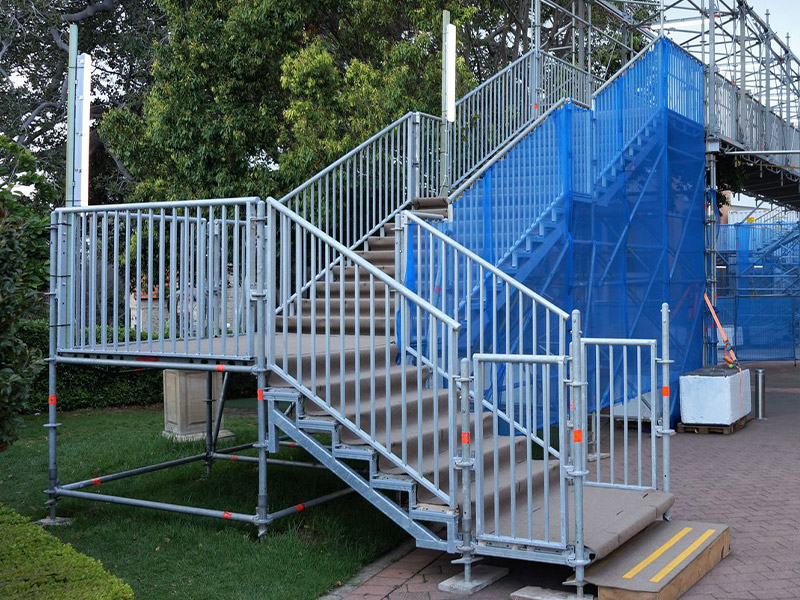
Event Setup: Enables rapid assembly of temporary stages, grandstands, and exhibition structures.
Need Custom Scaffolding & Construction Equipment Solutions For Your Projects?
Changzhou Yueyang Machinery specializes in full-range Ringlock Scaffolding, Frame Scaffolding, Formwork, Safety Barrier & Accessory systems for construction, stage event, mining and heavy industry. ISO 9001 certified, comply with EU EN & Australia AS/NZ safety standards. Factory direct one-stop service from drawing customization to full container delivery.
Conclusion: The Future of Scaffolding
The ringlock scaffolding system represents a paradigm shift in temporary structure design, merging innovation with practicality. Its modular architecture, rapid assembly, and adaptability to complex geometries make it indispensable for modern construction challenges. By prioritizing safety, efficiency, and sustainability, ringlock scaffolding not only enhances project outcomes but also sets a benchmark for future scaffolding technologies. As the industry continues to evolve, the demand for ringlock scaffolding will undoubtedly grow, cementing its status as a cornerstone of safe, efficient, and versatile construction solutions.