

 yueyang@yueyangcz.com
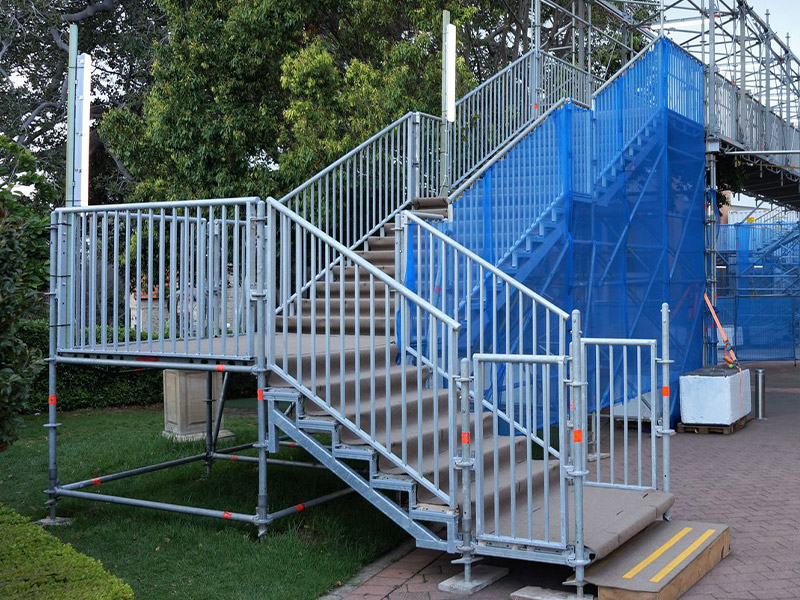

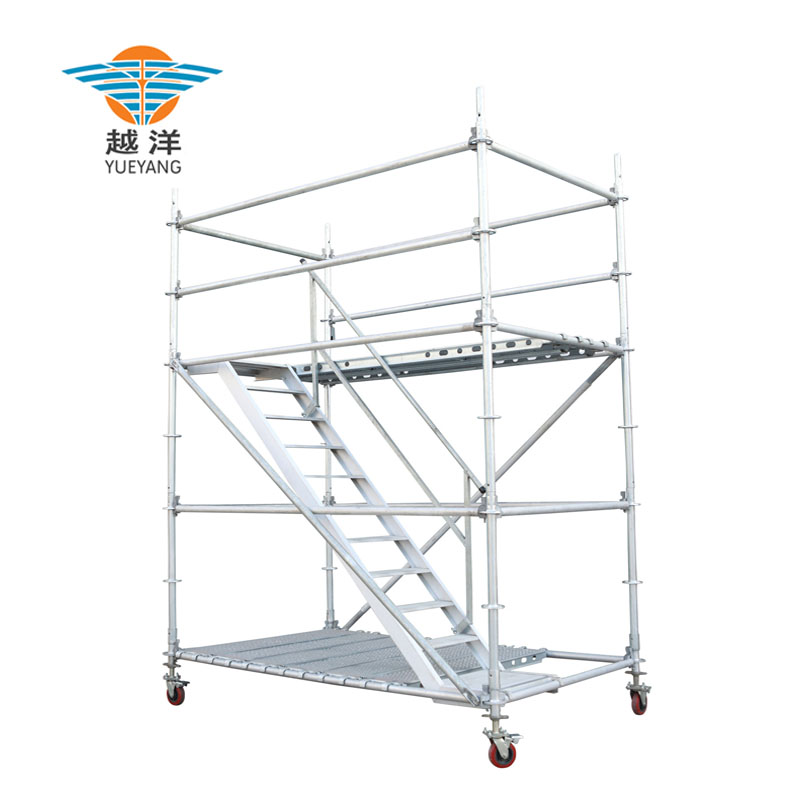
What is the load capacity of ring lock scaffolding
 Dec 12, 2024|
 View:1624
Ring lock scaffolding, known for its robustness and versatility, is widely used in various construction projects. Understanding its load capacity is crucial for ensuring safety and efficiency on-site. This article will explore the load capacity of ring lock scaffolding, delving into its design specifications, test results, and the factors that influence its performance.
Design Specifications and Standards
Ring lock scaffolding is designed to meet stringent standards and specifications. According to the "Technical specification for safety of ringlock steel tubular scaffold in construction" (JGJ231-2010), there are two primary types of ring lock scaffolding standards: Type B (standard type) and Type Z (heavy-duty type). These standards are made from materials no less than Q345 steel, which ensures high strength and durability.
The design of ring lock scaffolding involves several calculations to determine its load capacity. One such calculation is based on the formula l0=ηh, where l0 represents the calculated length of the scaffolding standard, η is the standard correction coefficient (typically 1.2), and h is the maximum stride distance of the middle layer of the scaffolding (typically 1500 mm). Another formula, l0=h'+2ka, considers additional parameters such as the reduced topmost step distance (h', typically 1000 mm), the calculated length reduction coefficient of the cantilever end (k, set as 0.7), and the distance from the scaffolding standard to the support point of the adjustable base jack (a, with a maximum of 650 mm).
Load Capacity Calculations
The aspect ratio (λ) and stability coefficient (φ) of the scaffolding standards are crucial for determining their load capacity. For Type B, λ=l0/i=119.3, and φ=0.350. For Type Z, λ=l0/i=94.6, and φ=0.516. These values are derived from appendix D table D-2 of JGJ231-2010, which provides the stability coefficients for Q345 steel pipe axis pressure components.
Based on these calculations, the maximum allowable loading design value for a single scaffolding standard can be determined. For Type B, the ultimate bearing capacity is F=396.3 kN (equivalent to the weight of 28 family cars) when tested with four standards, with a single standard bearing 99.1 kN (equivalent to the weight of 7 family cars). For Type Z, the ultimate bearing capacity is F=546.0 kN (equivalent to the weight of 40 family cars) with four standards, and a single standard bearing 136.5 kN (equivalent to the weight of 10 family cars).

Testing and Verification
The load capacity of ring lock scaffolding is not just theoretical; it has been verified through rigorous testing. Rapid Scaffolding (Engineering) Co., Ltd., together with Southeast University, conducted a series of scientific and systematic tests to evaluate the loading capacity of ring lock scaffolding. The test settings included a ledger length of 1500 mm, a step distance of 1500 mm, and full scaffolding diagonal braces.
The test results confirmed the high load capacity of ring lock scaffolding. For Type B, the ultimate bearing capacity was achieved, demonstrating its ability to support significant loads. Similarly, Type Z also performed well, exceeding the expectations for heavy-duty applications. These test results provide valuable insights into the performance of ring lock scaffolding in real-world conditions.
Factors Influencing Load Capacity
Several factors can influence the load capacity of ring lock scaffolding. The type of material used, the thickness of the steel pipes, and the design of the connections all play a role. Additionally, the installation and maintenance of the scaffolding can affect its performance. Proper installation ensures that all components are correctly aligned and securely fastened, while regular maintenance checks can identify and address potential issues before they become critical.
Need Custom Scaffolding & Construction Equipment Solutions For Your Projects?
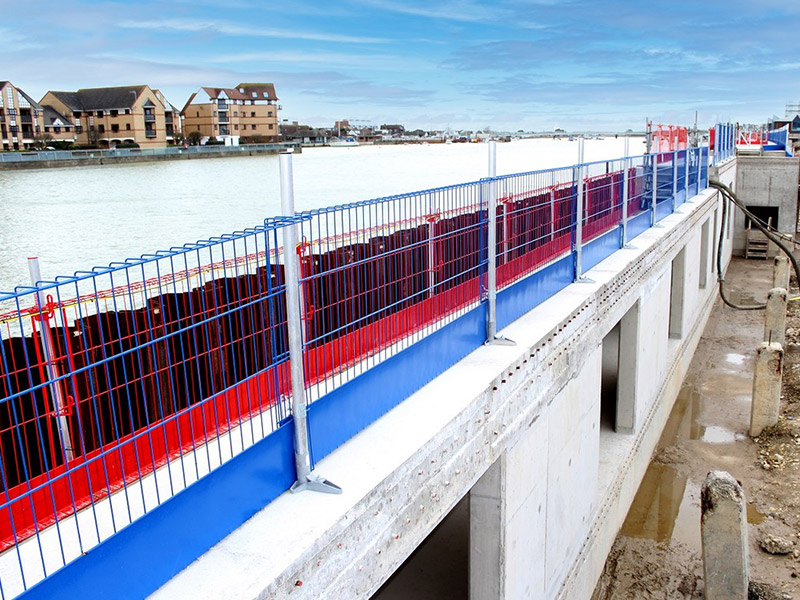
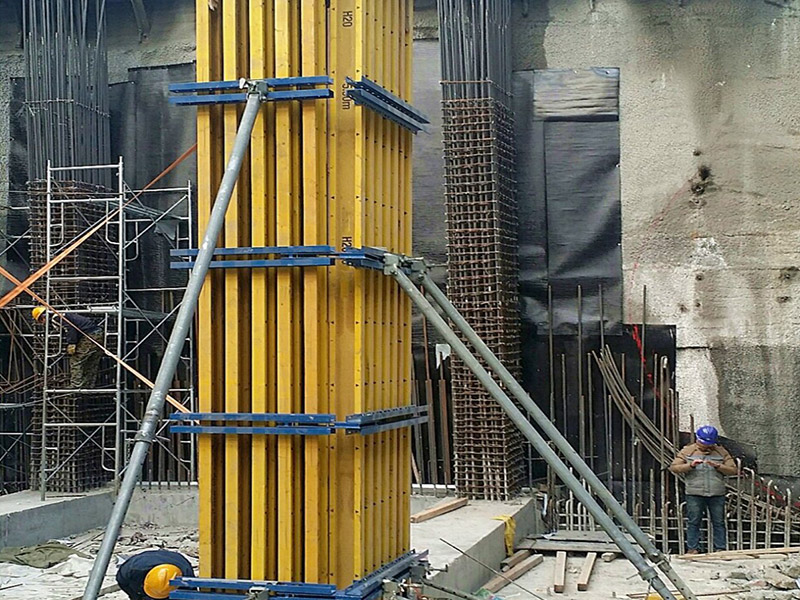
Changzhou Yueyang Machinery specializes in full-range Ringlock Scaffolding, Frame Scaffolding, Formwork, Safety Barrier & Accessory systems for construction, stage event, mining and heavy industry. ISO 9001 certified, comply with EU EN & Australia AS/NZ safety standards. Factory direct one-stop service from drawing customization to full container delivery.
Conclusion
Ring lock scaffolding offers impressive load capacity, making it a reliable choice for various construction projects. Through rigorous design calculations, testing, and verification, its load capacity has been proven to meet or exceed industry standards. However, it is important to consider the factors that can influence its performance, such as material quality, installation, and maintenance. By understanding these factors and adhering to best practices, construction professionals can ensure the safety and efficiency of their scaffolding systems.