
 yueyang@yueyangcz.com
What's the difference between cuplock and ringlock scaffolding
 May 27, 2026|
 View:465
The main difference between cuplock scaffolding and ringlock scaffolding lies in their locking mechanisms and assembly methods. Construction professionals often select a system based on specific project demands.
Ringlock scaffolding offers flexibility in height and installation angles, rapid assembly, strong load-bearing capacity, and enhanced safety.
Cuplock scaffolding provides quick installation with fewer components, reliable performance, and cost-effective solutions for standard applications.
Every project has unique needs. Choosing the right scaffolding ensures safety, efficiency, and long-term reliability.
Key Takeaways
Cuplock scaffolding is ideal for straightforward, repetitive structures, offering quick assembly and cost-effectiveness.
Ringlock scaffolding provides flexibility for complex shapes, making it suitable for large-scale and irregular projects.
Both scaffolding systems meet strict safety standards, but ringlock often includes additional safety features like guardrails.
Choosing the right scaffolding depends on project needs, including load capacity, site conditions, and assembly speed.
Regular maintenance and inspections are crucial for both systems to ensure safety and longevity.
Cuplock Scaffolding
Features
Cuplock scaffolding stands out for its unique design and practical benefits. Construction teams value this system for several reasons:
Cost-effective solution for many projects
Fast and easy assembly, saving time on site
Adaptability to different structures and layouts
Safety and security for workers
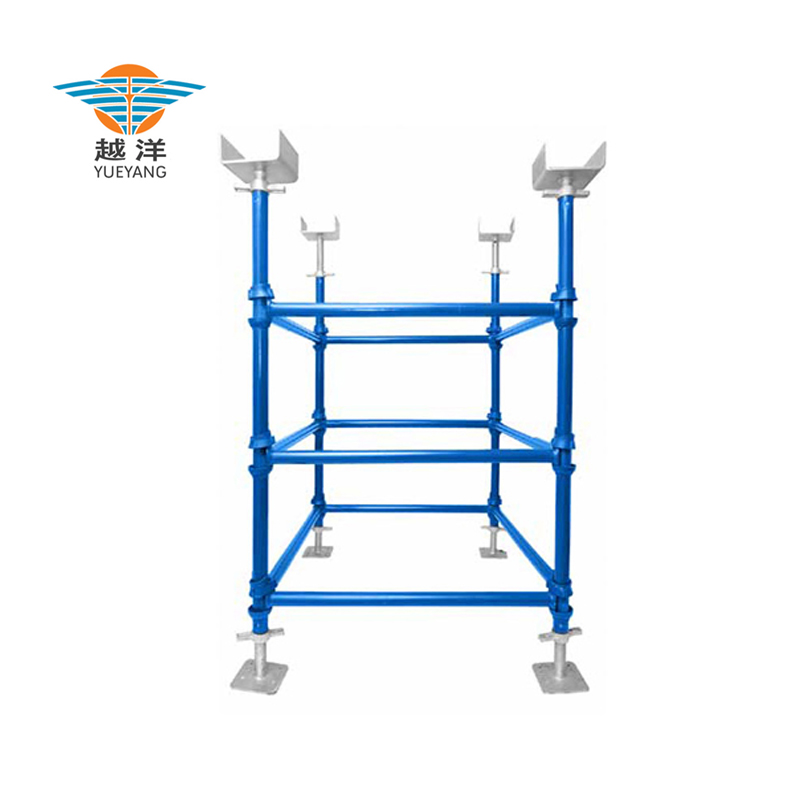
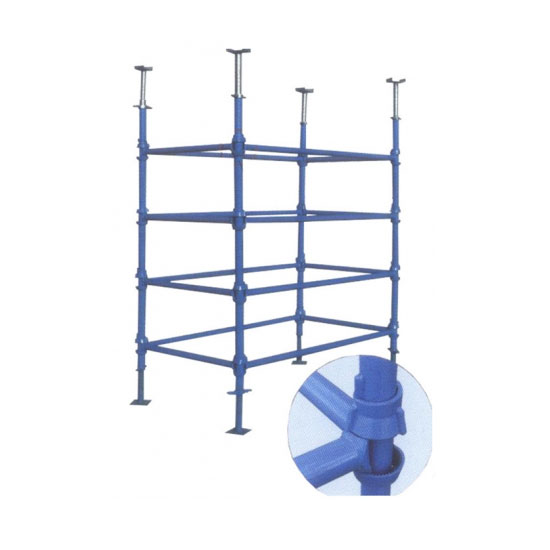
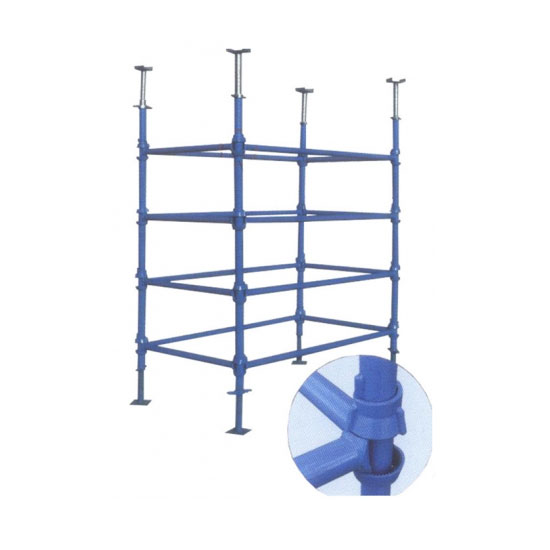
The most important feature of cuplock scaffolding is the nodal point connection. At regular intervals, usually every 500mm, vertical standards have fixed bottom cups. Sliding cups move along these standards. Workers can lock up to four horizontal members at each node with a single hammer blow. This action creates a rigid and secure connection. Each connection sits at a right angle to the one below, adding stability.
Cuplock scaffolding uses a modular system. Vertical standards have cup-shaped nodes. Horizontal ledgers wedge into these connectors, locking the scaffold in place. This design allows for quick changes and adjustments on the job site.
Components
The main components of cuplock scaffolding use strong and durable materials. These materials help the system perform well in tough environments.
Material | Impact on Performance |
|---|---|
High-grade steel | Enhances strength and durability |
Ductile iron | Improves resistance to corrosion |
Hot-dip galvanization | Provides superior corrosion resistance for longevity |
Manufacturers use hot forging to align grain flow, which improves strength and toughness. Casting helps create complex shapes for special parts. These processes make cuplock scaffolding reliable in coastal regions, industrial sites, and places with chemical exposure.
Assembly
The assembly process for cuplock scaffolding is simple and efficient. Workers connect vertical standards and horizontal ledgers at unique node points. The modular design allows for fast and secure connections. This system works well for both access scaffolding and slab or formwork support.
Rapid assembly and disassembly help teams finish projects faster. The unique locking mechanism reduces labor time and costs. The versatility of cuplock scaffolding lets it adapt to different slab shapes and load needs. This flexibility improves construction efficiency and safety on site.
Ringlock Scaffolding
Features
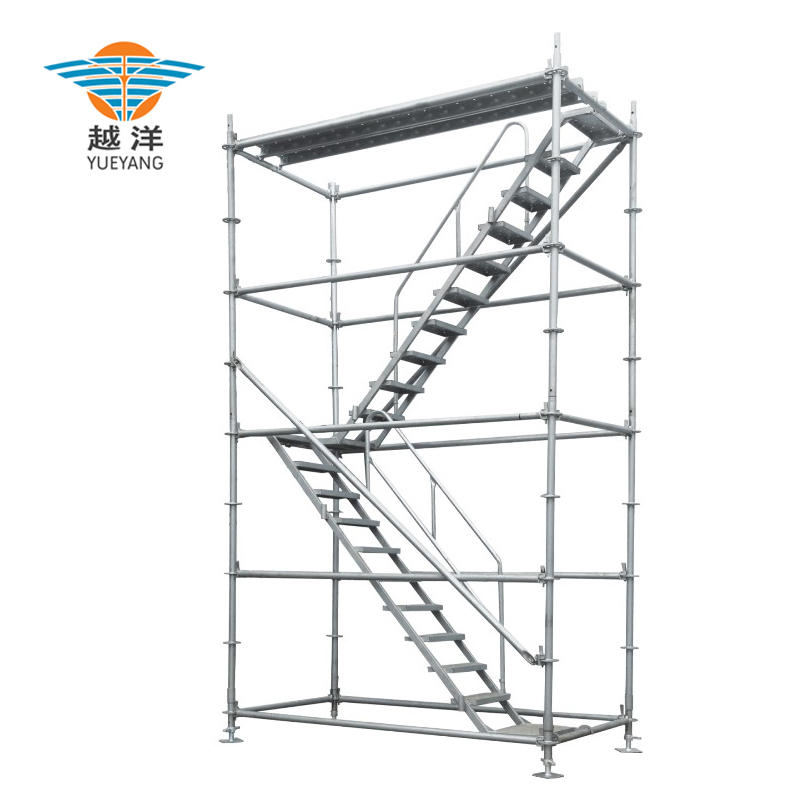
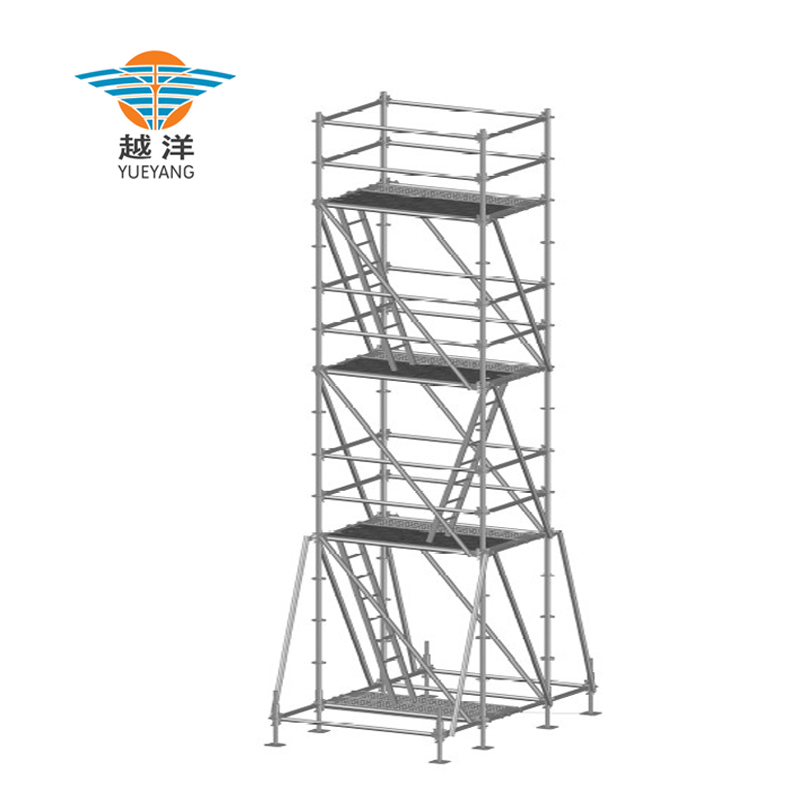
Ringlock scaffolding, often called rosette scaffolding, stands out in modern construction. This system uses vertical standards with ring-shaped node points. These nodes make assembly and disassembly fast and simple. The design allows workers to build scaffolds that fit many shapes and sizes. This flexibility helps on both large commercial sites and smaller projects.
The Yueyang Ringlock Scaffolding System offers several key features:
Modular design for easy adaptation to different project needs
Quick assembly with a unique wedge-head and rosette locking mechanism
High load capacity for supporting heavy materials and equipment
Compliance with strict safety standards, such as EN 12810 and EN 12811
Tip: The unique locking mechanism not only speeds up installation but also increases safety by preventing accidental disengagement.
Feature | Description |
|---|---|
Modular Design | Allows for easy assembly and disassembly, making it suitable for various applications. |
Quick Assembly | The wedge-head and rosette system reduces assembly time. |
High Load Capacity | Supports heavy loads, ideal for large-scale projects. |
Safety Compliance | Meets rigorous safety standards for worker protection. |
Components
Manufacturers build ringlock scaffolding with strong, durable materials. The main tubes use high-strength steel, such as Q355B or S355, which gives the system excellent load-bearing ability. Hot-dip galvanization protects the steel from rust and weather, making the scaffold last longer even in harsh environments.
Material | Description |
|---|---|
Q355B/S355 Steel | High-strength, low-alloy steel tubing for superior load capacity. |
Galvanized Steel | Resists corrosion and extends service life. |
Other important parts include forged steel rosettes with eight holes and drop-forged carbon steel wedge connectors. These components ensure secure connections and even load distribution.
Assembly
The assembly process for ringlock scaffolding is straightforward. Workers insert horizontal and diagonal members into the rosette nodes on the vertical standards. They then secure each connection with a self-locking wedge. This method requires only a hammer, making the process quick and reducing the need for skilled labor.
Self-locking wedges prevent accidental disengagement.
The modular design allows for rapid safety checks.
Even load distribution reduces stress on each part.
Compared to traditional tube and clamp scaffolding, ringlock systems save time and improve safety. The rigid connections and high-quality materials help prevent accidents and ensure stability throughout the project.
Cuplock vs Ringlock
Structure
Cuplock scaffolding and ringlock scaffolding have different structural designs. Cuplock scaffolding uses a simple construction with fewer loose parts. This system relies on cup-shaped nodes that connect horizontal and vertical members. Workers can lock up to four directions at each node, which makes the structure stable and easy to build for straight facades.
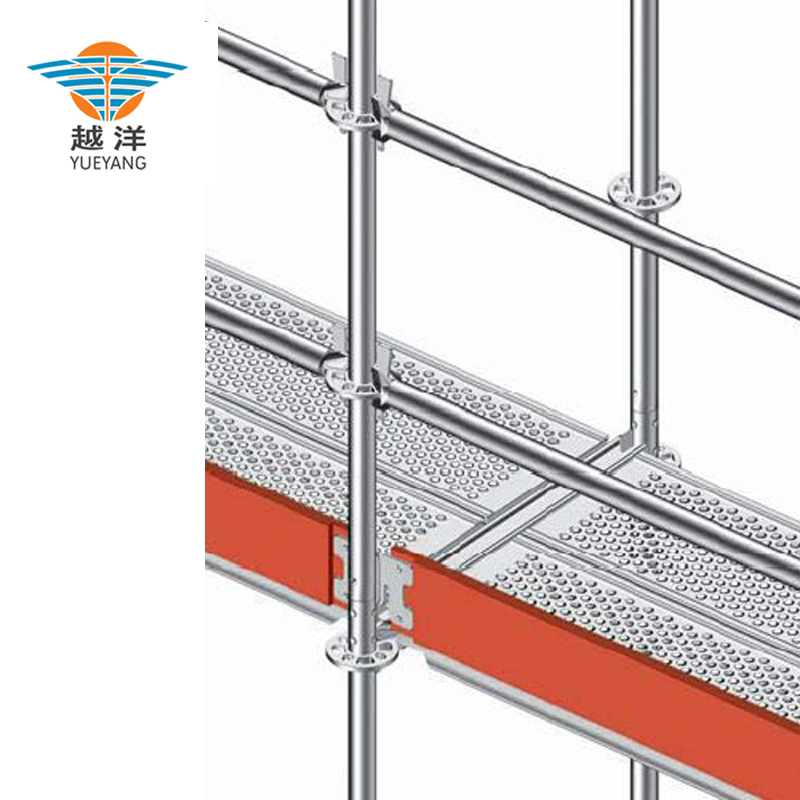
Ringlock scaffolding features a circular rosette, or ring, at each node. This design allows up to eight connections at one point. The multi-port disk gives ringlock scaffolding the ability to form complex shapes and adapt to irregular structures. The table below highlights the main structural differences:
Feature | Ringlock Scaffolding | Cuplock Scaffolding |
|---|---|---|
Connection Type | Rosette (ring) with wedge | Cup and blade (top & bottom cups) |
Node Connections | Up to 8 directions | 4 directions |
Flexibility | Highly adaptable, complex shapes | Suited for straight, repetitive forms |
Note: Ringlock scaffolding is ideal for projects with complex geometry, while cuplock scaffolding works best for regular, repetitive structures.
Assembly Process
The assembly process for both systems is fast, but each has unique steps. Workers assemble cuplock scaffolding by placing horizontal ledgers into the cup-shaped nodes and locking them with a hammer. This method is simple and quick, especially for large, flat surfaces.
Ringlock scaffolding uses a wedge and rosette system. Workers insert horizontal and diagonal members into the rosette and secure them with wedges. This process allows for more directions at each node, but it may require careful alignment. Both systems save time compared to traditional tube and clamp scaffolding.
Cuplock scaffolding: Simple hammer action, fewer parts, very fast for standard layouts.
Ringlock scaffolding: Wedge and rosette, more adaptable, slightly longer for complex shapes.
Load Capacity
Both systems support heavy loads, but ringlock scaffolding often handles higher capacities. The table below shows typical load ratings:
Scaffolding Type | Typical Load Capacity |
|---|---|
Ringlock | 30–60 kN (6,700–13,500 lbf) per leg; heavy-duty types up to ~136 kN (30,500 lbf) |
Cuplock | Up to 60 kN (approx. 6,000 kg or 6 tonnes) before buckling |
Ringlock scaffolding distributes weight evenly through its multi-directional nodes. This feature makes it suitable for heavy-duty and industrial projects. Cuplock scaffolding also supports high loads, especially for vertical applications, but may not match ringlock for the most demanding tasks.
Flexibility
Flexibility is a key difference between the two systems. Ringlock scaffolding stands out for its adaptability. The rosette node allows up to eight connections, making it easy to create irregular shapes, curves, and complex structures. This system works well for projects with unique architectural designs.
Cuplock scaffolding offers four-way connections at each node. This design is best for straight lines and repetitive patterns. Large-scale projects with standard layouts benefit from the speed and simplicity of cuplock scaffolding.
Scaffolding Type | Connection Points | Adaptability | Suitable For |
|---|---|---|---|
Ringlock | Up to 8 | Highly adaptable for irregular shapes | Irregular facades, curved structures |
Cuplock | 4 | Limited adaptability, best for straight lines | Large-scale, standardized projects |
Safety
Both systems include important safety features. Guardrails, toe boards, and robust locking mechanisms help protect workers. Ringlock scaffolding often integrates anti-slip surfaces and guardrails directly into the design. Cuplock scaffolding uses strong locks and toe boards to prevent falls.
Safety standards such as OSHA, EN 12810, and EN 12811 apply to both systems. Regular inspections ensure that scaffolding remains safe and stable. Workers must avoid overloading and improper assembly, as these are common causes of accidents.
Tools and materials stay on platforms, reducing the risk of falling objects.
Inspections and compliance with standards keep workers safe.
Durability
Durability depends on the materials and protective coatings used. Both cuplock scaffolding and ringlock scaffolding use high-strength steel, often with hot-dip galvanization. This process protects the metal from rust and weather damage.
Ringlock scaffolding may offer longer service life in harsh environments due to its robust design and high-quality materials. Cuplock scaffolding also performs well in tough conditions, especially when maintained and inspected regularly.
Tip: Regular maintenance and inspection help both systems last longer and perform safely.
Cuplock Pros and Cons
Advantages
Cuplock scaffolding offers several benefits that make it popular in construction. Workers can assemble this system quickly. The patented cup-and-blade locking mechanism allows for fast setup. This design eliminates the need for extra accessories. Safety improves because the positive lock prevents accidental loosening. Workers feel secure knowing the structure stays stable.
The modular design supports many applications. Teams use cuplock scaffolding for access platforms and complex support structures. Durability stands out as another advantage. Hot-dip galvanization protects the steel from rust. This feature extends the lifespan of the scaffolding, even in harsh environments. Cost savings also matter. Companies reuse materials and spend less on labor during setup and takedown.
Advantage | Description |
|---|---|
Speed of Assembly | Quick and easy setup due to the patented cup-and-blade locking mechanism, eliminating the need for additional accessories. |
Enhanced Safety | Positive lock design prevents accidental loosening, reducing the risk of falling objects and ensuring structural soundness. |
Versatility | Modular design allows for various applications, including access platforms and support for complex structures. |
Durability | Hot-dip galvanized covering prevents rust, extending the lifespan of the scaffolding on construction sites. |
Cost Savings | Long-term economic benefits from reusing materials and reduced labor costs during setup and takedown. |
Note: Many construction professionals choose cuplock scaffolding for its reliability and efficiency.
Disadvantages
Cuplock scaffolding has some limitations. The system works best for straight and repetitive structures. It does not adapt easily to curved or irregular shapes. Workers may find it less flexible when building complex designs. The four-way node connection restricts the number of directions at each joint. This feature limits the scaffold’s ability to support unusual layouts.
Some teams notice that cuplock scaffolding can be heavier than other systems. Transporting and handling the components may require more effort. Maintenance becomes important because rust can develop if the galvanization wears off. Regular inspections help keep the scaffolding safe and functional.
️ Tip: Teams should consider project requirements before selecting cuplock scaffolding. It suits standard layouts but may not fit unique architectural needs.
Ringlock Pros and Cons
Advantages
Ringlock scaffolding offers many benefits that construction professionals value. The system stands out for its strength, flexibility, and safety. Workers can assemble and disassemble ringlock scaffolding quickly, which saves time and reduces labor costs. The modular design allows teams to build scaffolds that fit complex shapes and large spans. The unique rosette joint provides secure connections and stability.
Construction crews often choose ringlock scaffolding for heavy-duty projects. The high load capacity supports heavy materials and equipment. The robust steel and hot-dip galvanization resist corrosion and wear, ensuring a long lifespan. Enhanced safety features, such as guardrails and multiple tie-off points, protect workers and prevent accidents.
Tip: Ringlock scaffolding adapts to irregular building shapes, making it ideal for commercial and industrial sites.
Key advantages include:
High load capacity supports heavy materials and crews.
Flexible configurations adapt to complex structures.
Fast assembly and disassembly reduce project duration.
Enhanced safety features provide stability and secure connections.
Durable materials resist corrosion and ensure long-term use.
Advantage | Description |
|---|---|
Load Capacity | Supports heavy loads for large projects |
Flexibility | Fits irregular shapes and spans |
Speed | Quick setup and takedown |
Safety | Secure locking points and guardrails |
Durability | Robust steel and corrosion resistance |
Disadvantages
Ringlock scaffolding, while highly effective, has some limitations. The system may require a higher initial investment compared to simpler scaffolding types. Workers must follow precise assembly steps to ensure safety and stability. Teams sometimes need specialized training to use the unique locking mechanism correctly.
The modular design, although flexible, can lead to more components on site. Managing and storing these parts may require careful planning. Some projects with very basic layouts might not need the advanced features of ringlock scaffolding.
Note: Construction managers should evaluate project complexity and budget before selecting ringlock scaffolding.
Higher upfront cost than basic scaffolding systems
Requires careful assembly and proper training
More components to manage and store
Ringlock scaffolding excels in demanding environments, but teams should match the system to their project needs for best results.
Best Use Cases
Cuplock Scaffolding Applications
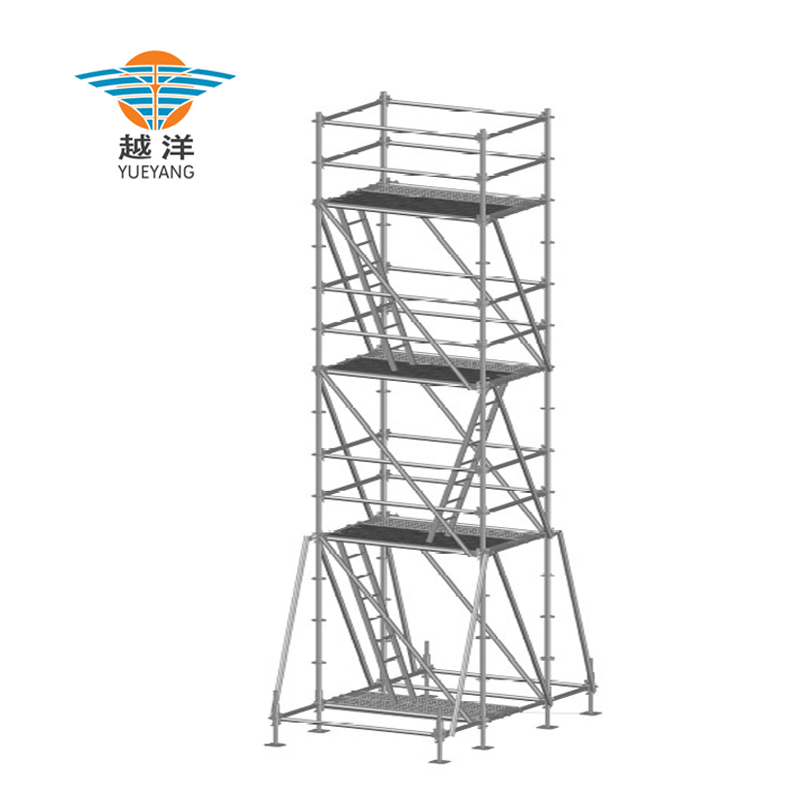
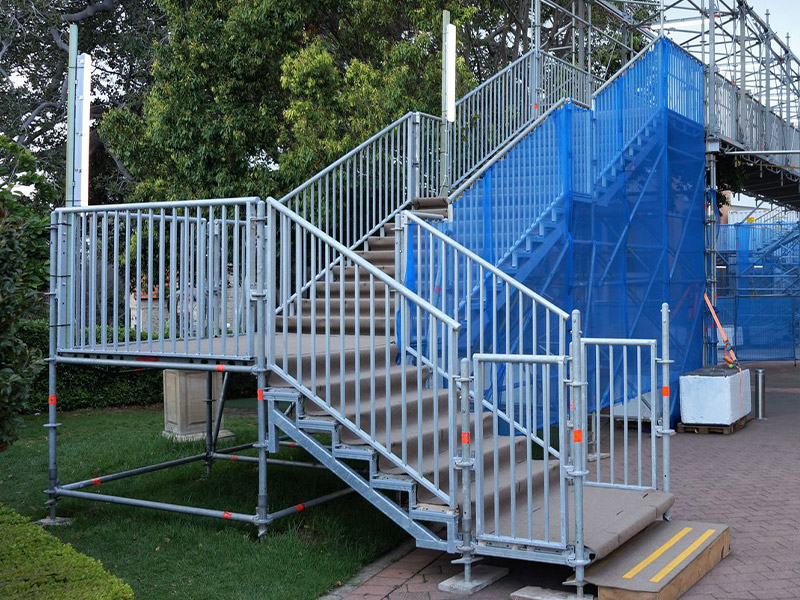
Cuplock scaffolding works best for projects that need simple, strong, and repeatable structures. Construction teams often use this system for large building sites where speed and efficiency matter. Workers choose cuplock scaffolding for straight facades, bridges, and slab support. The system also fits well in industrial plants and power stations. Many teams use it for access scaffolding, stair towers, and formwork support. The design allows for quick assembly, which helps when projects have tight deadlines. Cuplock scaffolding handles heavy loads, making it reliable for supporting concrete slabs and beams. Maintenance crews also use it for repairs and painting on tall buildings.
Tip: Cuplock scaffolding saves time on projects with regular layouts and high repetition.
Ringlock Scaffolding Applications
Ringlock scaffolding stands out in complex and large-scale construction projects. Its modular design and strong locking system make it a top choice for many uses.
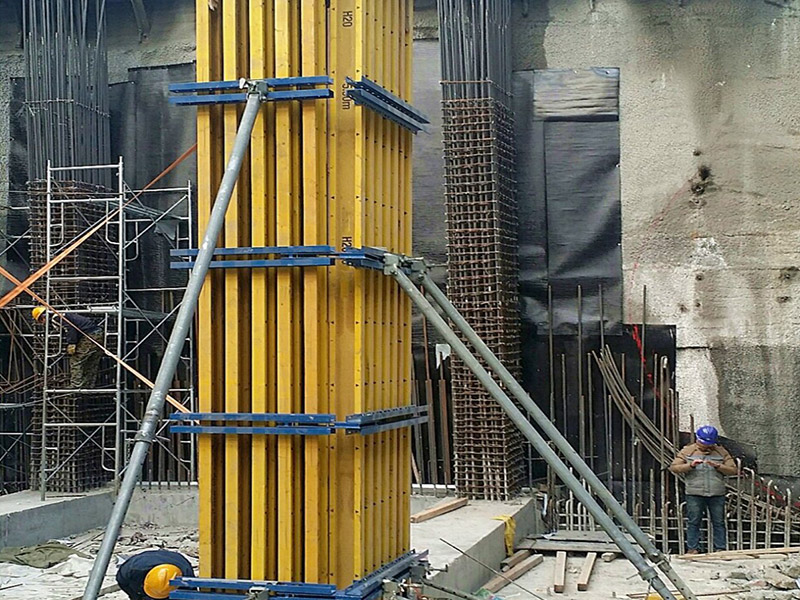
Structural framework support for beams, columns, and floors during concrete pouring
Facade work, such as curtain wall installation, cladding, painting, or maintenance on commercial buildings
Elevated platforms for mechanical, electrical, and plumbing (MEP) installations
Bridge and canopy construction, supporting extended spans and heavy loads
High-rise building construction
Bridge and infrastructure projects
Industrial plants and petrochemical facilities
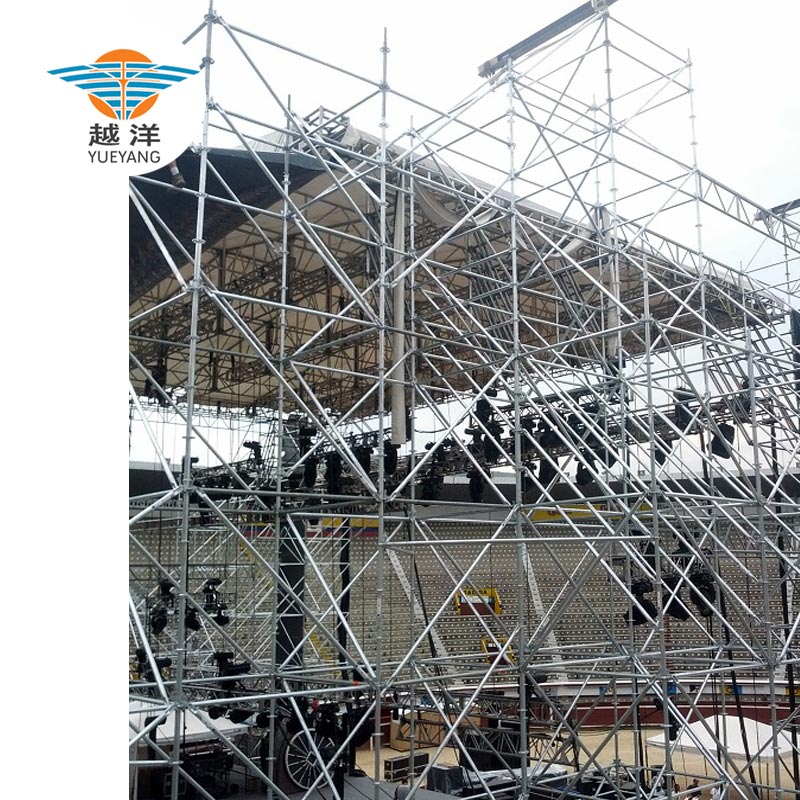
Large-scale event staging
Ringlock scaffolding adapts to many shapes and heights. Workers use it for high-rise towers, bridges, and industrial sites. The system’s quick assembly and disassembly help reduce labor costs and project time. Its durable materials and built-in safety features protect workers and extend the life of the scaffold. Teams often select ringlock scaffolding when they need flexibility, safety, and strength for challenging projects.
Cuplock and ringlock scaffolding differ in their locking mechanisms, flexibility, and best use cases. Cuplock suits straightforward, repetitive structures. Ringlock adapts to complex shapes and heavy loads. To choose the right system, experts recommend:
Assess project scope, timeline, and complexity.
Check load-bearing needs for safety.
Review site conditions for the best fit.
Consider how long and flexible the project must be.
Always follow safety standards and local codes.
Consulting a scaffolding expert helps ensure the safest and most efficient choice.
FAQ
What is the main difference between cuplock and ringlock scaffolding?
Cuplock scaffolding uses cup-shaped joints for connections. Ringlock scaffolding uses a rosette or ring with wedge connections. Ringlock offers more flexibility for complex shapes. Cuplock works best for straight, repetitive structures.
Which scaffolding system is faster to assemble?
Both systems allow quick assembly. Workers often find ringlock scaffolding faster for complex projects because of its modular design. Cuplock scaffolding works well for simple, straight layouts.
Is ringlock scaffolding safer than cuplock scaffolding?
Both systems meet strict safety standards. Ringlock scaffolding often includes built-in guardrails and anti-slip features. Cuplock scaffolding uses strong locks to keep workers safe. Regular inspections help maintain safety for both systems.
Can one person assemble these scaffolding systems?
A single worker can assemble small sections of both systems. For larger structures, teams work together for safety and speed. Always follow safety guidelines and use proper equipment.
Which system lasts longer in harsh weather?
Hot-dip galvanized steel protects both systems from rust and weather. Ringlock scaffolding often uses thicker steel, which can increase durability. Regular maintenance helps both systems last longer outdoors.