

 yueyang@yueyangcz.com

When is it safe to remove concrete formwork
 Dec 26, 2025|
 View:2035
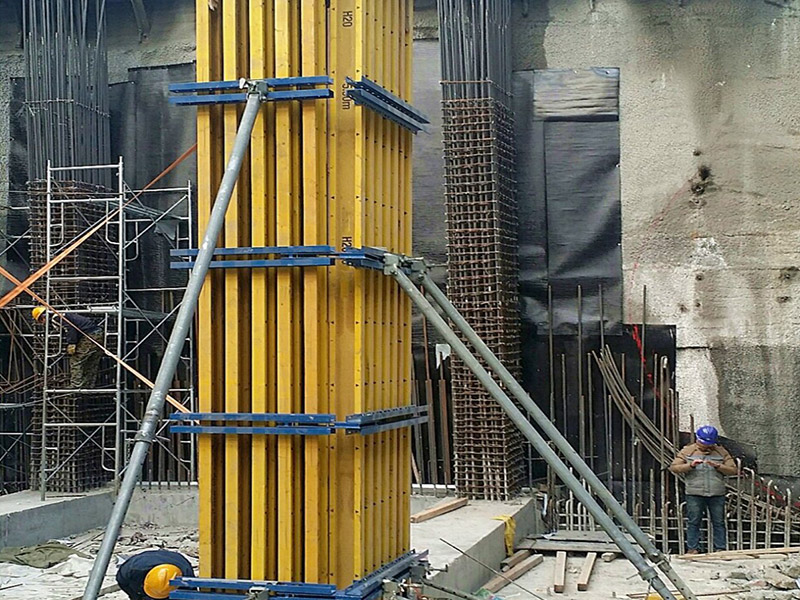
The safe removal of concrete formwork is a critical milestone in construction projects, balancing structural integrity, worker safety, and project efficiency. Formwork, whether temporary or permanent, serves as a mold to shape and support freshly poured concrete until it gains sufficient strength to self-sustain. Premature removal risks deformation, cracking, or even collapse, while delayed removal can damage surfaces or increase labor costs. This article explores the factors influencing removal timing, standard practices, and best techniques to ensure optimal outcomes.
Key Factors Influencing Removal Timing
1.Concrete Strength Development
Concrete gains strength through hydration, a chemical process dependent on time, temperature, and mix composition. The American Concrete Institute (ACI) provides general guidelines:
Vertical structures (walls, columns): Forms can typically be removed after 16–24 hours for standard mixes, as vertical loads are minimal during initial curing.
Horizontal structures (slabs, beams): Require 7–14 days to resist bending and compression forces. For example, a 6-inch-thick slab may need 7 days to reach 70% of its 28-day compressive strength.
Special mixes: High-early-strength concrete or additives like calcium chloride can accelerate curing, allowing earlier removal. Conversely, cold weather (below 50°F/10°C) slows hydration, extending removal timelines by days or weeks.
2.Structural Load Requirements
The formwork must remain until the concrete can withstand anticipated loads, including:
Dead loads: The weight of the concrete itself.
Live loads: Construction traffic, equipment, or stored materials.
Environmental loads: Wind, snow, or vibration from adjacent activities.
For instance, a suspended beam supporting scaffolding may require forms to stay longer than a non-load-bearing column. Engineers often conduct field tests, such as the "thumb test" (pressing the concrete surface to check for indentation) or core sampling, to verify strength before removal.
3.Weather and Curing Conditions
Temperature and humidity directly impact hydration rates:
Warm weather: Concrete sets faster, enabling earlier form removal. However, excessive heat (above 90°F/32°C) may cause rapid drying, requiring mitigation like sunshades or moist curing.
Cold weather: Below-freezing temperatures halt hydration, necessitating heated enclosures or insulating blankets. ACI recommends maintaining concrete at a minimum of 50°F (10°C) for the first 48 hours.
Humidity: Low humidity accelerates moisture loss, risking shrinkage cracks. Moist curing—covering concrete with wet burlap or plastic sheeting—can extend formwork retention by retaining hydration.
4.Project-Specific Specifications
Design requirements, such as surface finish quality or architectural details, may dictate removal timing. For example:
Exposed concrete: Forms for decorative panels might stay longer to achieve a smooth finish.
Post-tensioned slabs: Tendons are stressed after concrete reaches 75% strength (typically 7–10 days), requiring forms to remain until tensioning is complete.

Standard Practices for Safe Removal
1.Timing Guidelines by Structure Type
Vertical elements (columns, walls): Remove forms after 24–48 hours for standard mixes. Check for edge chipping or softness before proceeding.
Horizontal elements (slabs, beams): Wait 7–14 days, depending on thickness and load requirements. A 4-inch slab may be ready in 7 days, while a 12-inch foundation slab might need 14 days.
Complex shapes (arches, curved walls): Extend formwork retention to prevent deformation under self-weight.
2.Step-by-Step Removal Process
Inspection: Verify concrete strength via field tests or engineering approval.
Start at corners: Use pry bars to gently loosen formwork at edges, minimizing stress concentrations.
Work systematically: Progress along the formwork, avoiding sudden impacts that could crack concrete.
Clean forms immediately: Remove residual concrete with brushes or scrapers to prevent bonding during reuse.
Apply release agents: Coat forms with chemical agents (e.g., diesel-free alternatives) to ease future removal.
3.Safety Precautions
Personal protective equipment (PPE): Workers should wear gloves, safety glasses, and steel-toed boots.
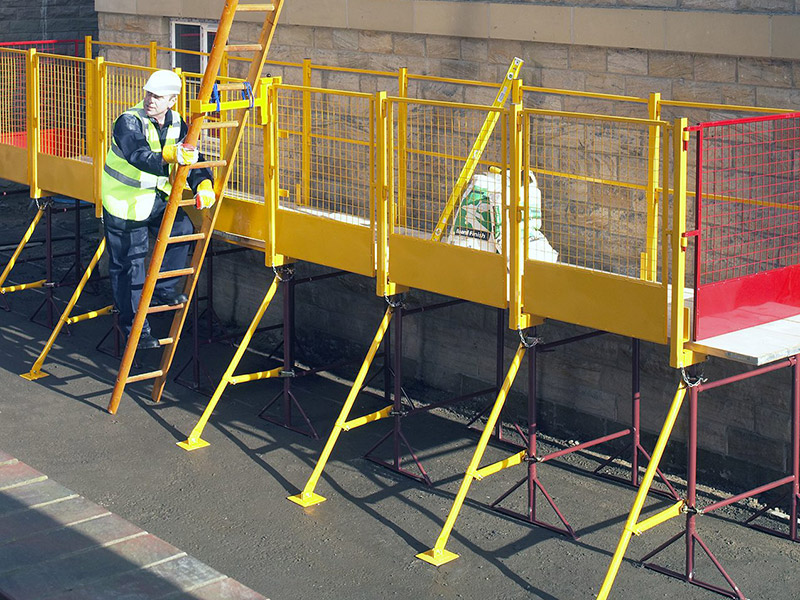
Stabilize forms: Secure loose panels to prevent falling debris.
Avoid brute force: Never hammer forms directly, as vibrations can damage concrete.
Monitor weather: High winds or rain may require postponing removal to prevent accidents.
Common Mistakes to Avoid
Rushing removal: Early stripping accounts for 15–20% of concrete defects, including sagging beams or cracked slabs.
Neglecting maintenance: Dirty or damaged forms bond to concrete, requiring chiseling that mars surfaces.
Ignoring temperature fluctuations: A 20°F (11°C) drop in ambient temperature can double curing time, delaying removal unnecessarily.
Overloading reused forms: Weakened or warped formwork from prior projects may fail prematurely.
Case Studies Highlighting Best Practices
High-Rise Construction in Dubai: Engineers used high-early-strength concrete for a 50-story core wall, removing forms after 18 hours to accelerate cycle times without compromising safety.
Bridge Deck in Canada: During winter, heated blankets maintained concrete at 60°F (16°C) for 72 hours, enabling form removal despite sub-zero temperatures.
Artistic Concrete Sculpture: Forms for a curved facade stayed in place for 21 days to preserve intricate details, with workers using hand tools to avoid surface damage.
Need Custom Scaffolding & Construction Equipment Solutions For Your Projects?
Changzhou Yueyang Machinery specializes in full-range Ringlock Scaffolding, Frame Scaffolding, Formwork, Safety Barrier & Accessory systems for construction, stage event, mining and heavy industry. ISO 9001 certified, comply with EU EN & Australia AS/NZ safety standards. Factory direct one-stop service from drawing customization to full container delivery.
Conclusion
The safe removal of concrete formwork hinges on understanding the interplay between material science, environmental conditions, and engineering judgment. By adhering to guidelines for strength development, load requirements, and curing practices, contractors can mitigate risks while optimizing project schedules. Properly timed removal ensures that concrete formwork fulfills its dual role: shaping structures during placement and protecting them during curing. As construction methods evolve, advances in self-healing concrete or smart sensors may further refine these processes, but the core principle remains unchanged—patience and precision in handling concrete formwork are indispensable to building durable, safe, and aesthetically pleasing structures.