


 yueyang@yueyangcz.com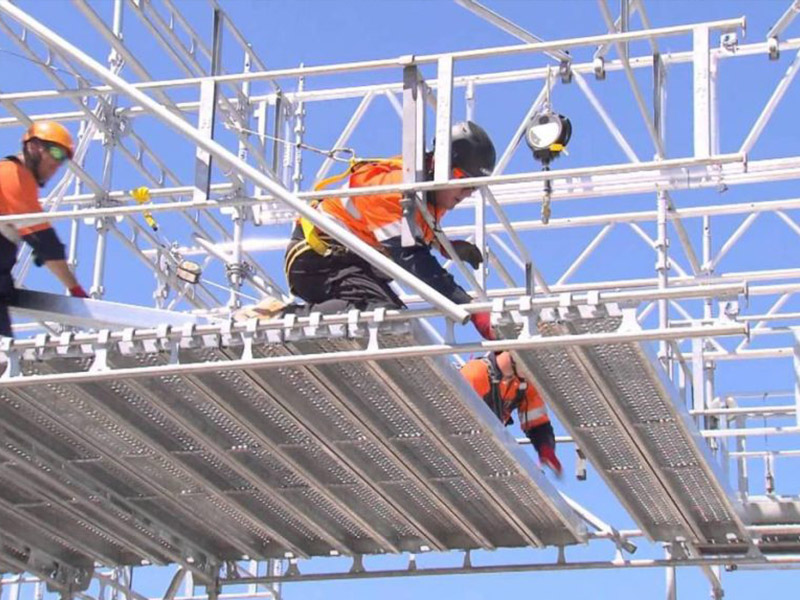
what is edge protection in construction
 Dec 27, 2025|
 View:705
In the high-stakes environment of construction, where workers operate at elevated heights and navigate complex structural frameworks, edge protection emerges as a critical safety mechanism. Defined as a system of barriers or safeguards installed along the exposed edges of elevated work areas, edge protection serves a dual purpose: preventing accidental falls of personnel and ensuring tools or materials do not inadvertently descend to lower levels. This article explores the multifaceted nature of edge protection, its regulatory foundations, technological implementations, and its indispensable role in modern construction safety.
The Core Purpose of Edge Protection
At its essence, edge protection is designed to mitigate the risks associated with working at height—a scenario consistently ranked among the leading causes of workplace fatalities globally. The Edge Protection Federation, a prominent industry body, succinctly states that its primary objective is to "prevent persons and objects from falling to a lower level." This is achieved through physical barriers such as guardrails, safety nets, or scaffolding systems strategically positioned along building perimeters, rooftops, stairwells, and other elevated platforms. For instance, a worker installing solar panels on a sloped roof relies on edge protection to avoid slipping off the edge, while a painter on a multi-story scaffold depends on it to secure tools and prevent debris from endangering passersby below.
The importance of edge protection is underscored by real-world incidents. In one documented case, a worker suffered severe injuries after falling from a flat roof lacking edge protection—a scenario that could have been prevented with proper safeguards. Such accidents highlight the legal and ethical imperatives for employers to comply with safety regulations, as non-compliance often results in hefty fines, legal liabilities, and irreparable harm to workers and their families.
Regulatory Frameworks and Standards
Edge protection requirements are governed by a patchwork of national and international standards, each tailored to specific construction contexts. In the United States, the 2012 Texas Accessibility Standards (TAS) and the Americans with Disabilities Act (ADA) mandate edge protection on ramps and landings to prevent wheelchair users and pedestrians with visual impairments from accidentally veering off course. For example, TAS Section 405.9 specifies that ramps with open sides must include curbs, walls, or railings to act as edge protection, ensuring usability for all individuals.
Meanwhile, the International Building Code (IBC) and Occupational Safety and Health Administration (OSHA) regulations focus on fall prevention in construction. OSHA, for instance, requires edge protection when workers are exposed to falls of six feet or more, unless alternative safety measures like personal fall arrest systems are employed. These standards often overlap; a ramp might need edge protection under ADA/TAS for accessibility while also requiring guardrails under IBC for fall safety. This duality necessitates meticulous coordination between accessibility and building codes to avoid compliance gaps.
Types of Edge Protection Systems
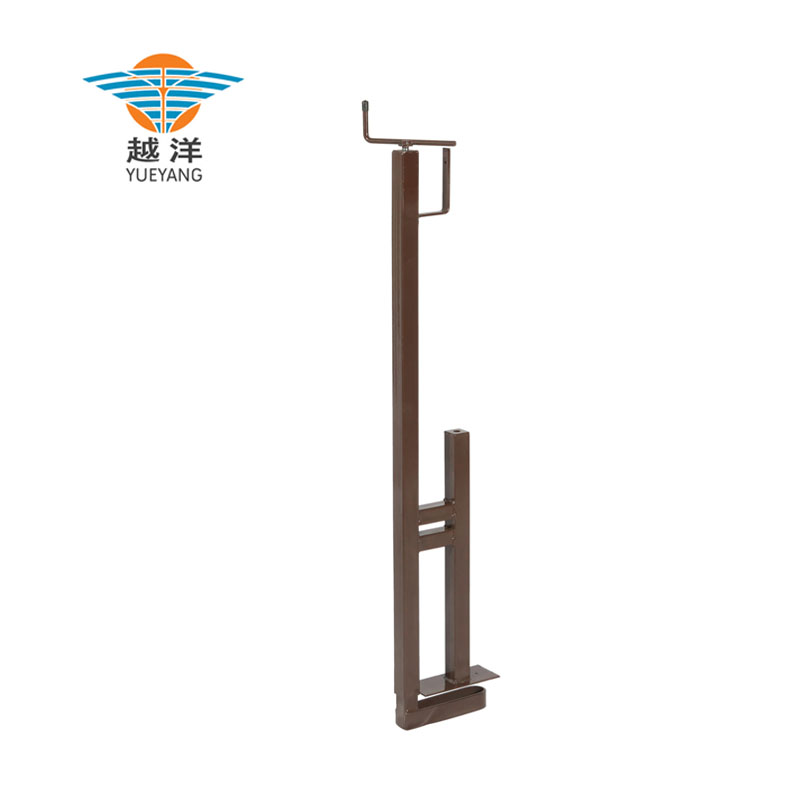
Edge protection systems vary in design and application, tailored to the specific hazards of each construction scenario. The most common types include:
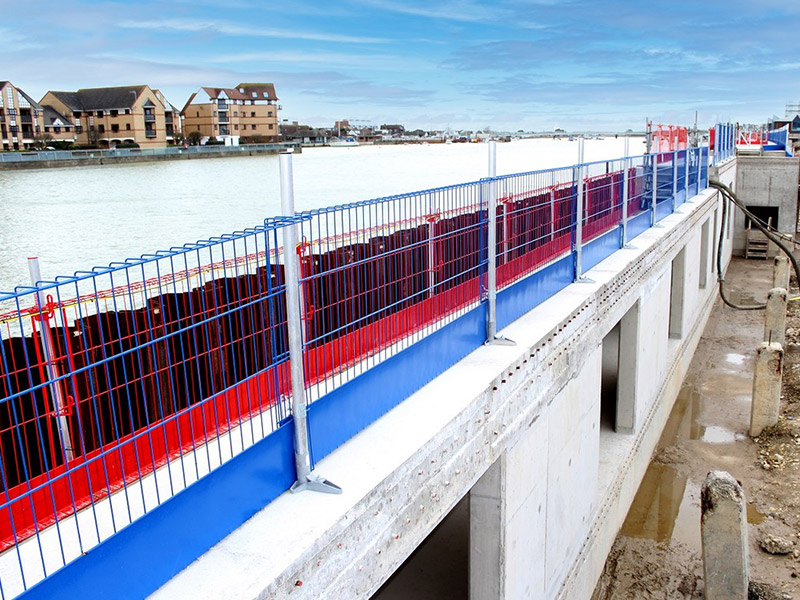
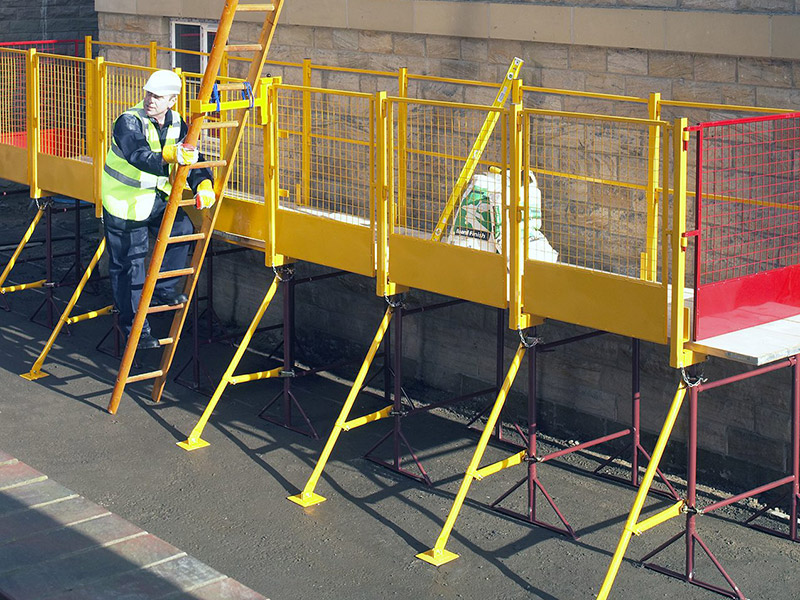
1.Guardrail Systems: Comprising vertical posts and horizontal rails, guardrails form a continuous barrier along edges. For example, the Kee Guard system uses galvanized steel posts and rails to create a robust physical barrier on rooftops, protecting workers from skylights, openings, and roof edges. These systems are modular, allowing easy installation and reconfiguration as construction progresses.
2.Safety Nets and Catchfans: Deployed beneath elevated work areas, safety nets intercept falling objects or personnel, reducing impact forces. Catchfan systems, a specialized variant, are installed around stairwells or voids to capture debris or tools, preventing them from striking workers below.
3.Temporary Barriers: Water-filled plastic barriers, such as those used on road construction sites, provide flexible yet sturdy edge protection. These barriers, weighing over 1,100 pounds when filled, create a visual and physical deterrent against accidental encroachment into hazardous zones. However, their effectiveness hinges on proper maintenance; unfilled barriers, weighing only 300 pounds, are prone to displacement and offer minimal protection.
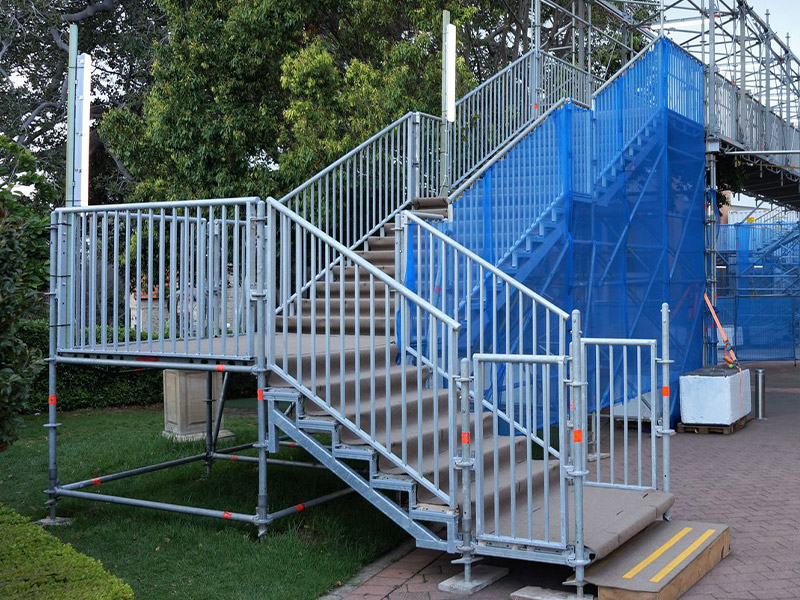
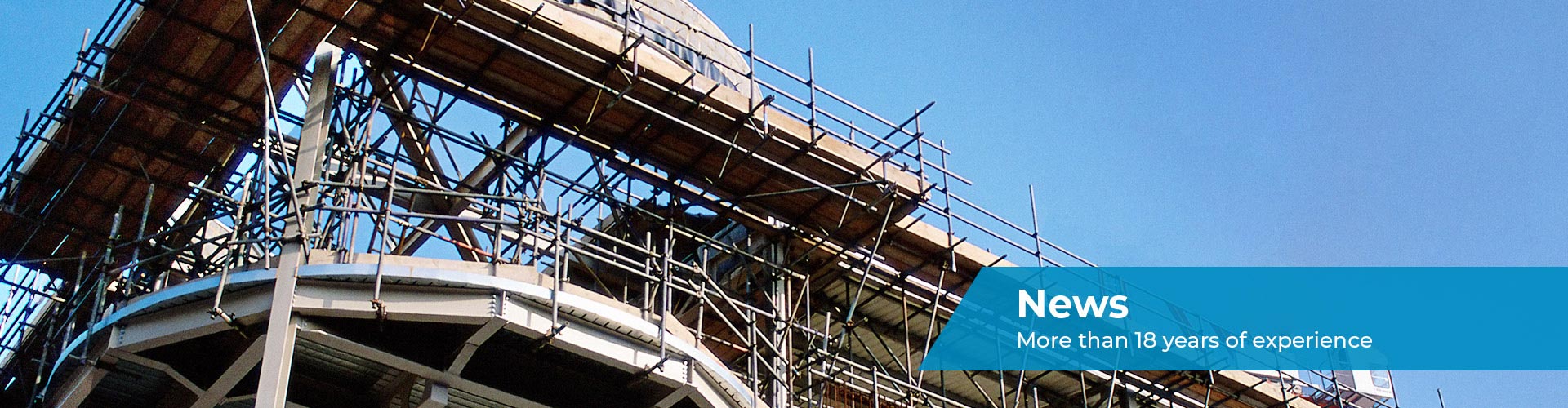
4.Scaffolding-Based Systems: Modular scaffolding structures, equipped with gates and toe boards, serve as comprehensive edge protection on multi-story buildings. Companies like UTM manufacture scaffolding systems that integrate edge protection into their design, ensuring workers have secure access to all areas while minimizing fall risks.
Technological Innovations in Edge Protection
The construction industry is increasingly adopting smart technologies to enhance edge protection. For instance, sensor-equipped guardrails can detect unauthorized access or structural weaknesses, alerting supervisors via mobile apps. Drones are used to inspect edge protection systems on tall structures, identifying damaged components or improper installations without endangering human inspectors. Additionally, virtual reality (VR) training simulations immer workers in realistic scenarios, teaching them to navigate edges safely and respond to emergencies.
These innovations align with broader trends in construction safety, such as the integration of Building Information Modeling (BIM) to pre-plan edge protection layouts and the use of artificial intelligence (AI) to analyze safety data and predict high-risk zones. As construction projects grow more complex, such technologies will become indispensable in ensuring edge protection systems are both effective and adaptive.
Need Custom Scaffolding & Construction Equipment Solutions For Your Projects?
Changzhou Yueyang Machinery specializes in full-range Ringlock Scaffolding, Frame Scaffolding, Formwork, Safety Barrier & Accessory systems for construction, stage event, mining and heavy industry. ISO 9001 certified, comply with EU EN & Australia AS/NZ safety standards. Factory direct one-stop service from drawing customization to full container delivery.
Conclusion: The Indispensable Role of Edge Protection
Edge protection is not merely a regulatory checkbox; it is a lifeline for construction workers and a safeguard for the public. By creating physical barriers that prevent falls and debris dispersion, edge protection systems reduce workplace injuries, enhance project efficiency, and uphold ethical standards. From traditional guardrails to cutting-edge sensor networks, the evolution of edge protection reflects the industry’s commitment to innovation and safety. As construction practices continue to advance, edge protection will remain a cornerstone of occupational health, ensuring that every worker returns home safely at the end of the day. Its integration into design, planning, and execution is not just a best practice—it is a moral and legal obligation that defines the future of construction safety.


Recent News
1.What is the difference between fall protection and edge protection
2025-12-252.At what height do you need edge protection
2025-12-233.Should I install edge protection
2025-11-124.What does edge protection protect against
2025-07-315.What is edge protection
2025-06-286.What is an edge protection system
2024-10-11