

 yueyang@yueyangcz.com

How to remove concrete formwork
 Apr 15, 2026|
 View:1734
Concrete formwork is a critical component in construction, serving as a temporary mold that shapes and supports freshly poured concrete until it hardens to the desired strength. Whether used for foundations, walls, slabs, or columns, formwork ensures structural integrity and dimensional accuracy. However, once the concrete has cured sufficiently, removing the formwork becomes essential to progress the project. Improper removal can lead to structural damage, safety hazards, or costly repairs. This article provides a comprehensive guide on safely and efficiently removing concrete formwork, covering methods, precautions, and best practices.
Methods for Removing Concrete Formwork
The process of removing concrete formwork, often referred to as "stripping," requires careful planning and execution. The timing, tools, and techniques vary depending on the type of formwork (e.g., timber, steel, aluminum, or plastic) and the concrete’s strength. Below are the key steps and methods:
1.Determine the Right Time for Removal
The timing of formwork removal depends on the concrete’s compressive strength, which is influenced by factors like cement type, ambient temperature, and curing conditions. Removing formwork too early can cause the concrete to sag, crack, or collapse, while delaying removal unnecessarily slows down the project.
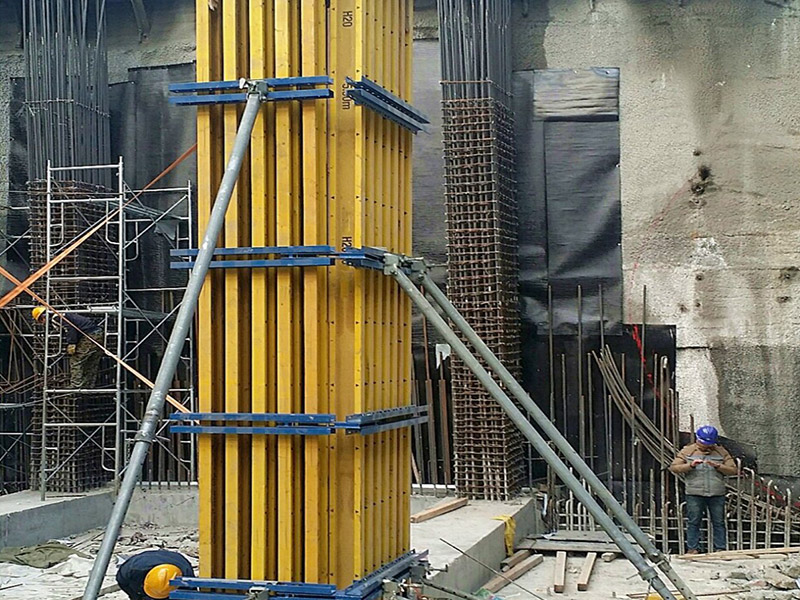
Vertical Formwork (Walls, Columns): Typically, vertical formwork can be removed after 24–48 hours, provided the concrete has achieved sufficient strength to hold its shape.
Horizontal Formwork (Slabs, Beams): Horizontal surfaces require longer curing times, often 7–14 days, to support their own weight and any imposed loads.
Soffit Formwork (Underneath Slabs/Beams): This is usually the last to be removed, as it bears the weight of the concrete above. Engineers may recommend partial removal or propping until the concrete reaches full design strength.
Always refer to structural drawings or consult an engineer to confirm the safe removal time.
2.Use the Correct Tools
The tools required for formwork removal depend on the materials used:
Pry Bars and Crowbars: Ideal for loosening stubborn formwork panels or nails.
Hammer: Used to gently tap joints or separate formwork from concrete.
Circular Saws or Reciprocating Saws: For cutting timber formwork that cannot be reused.
Drills: To remove screws or bolts securing metal or plastic formwork.
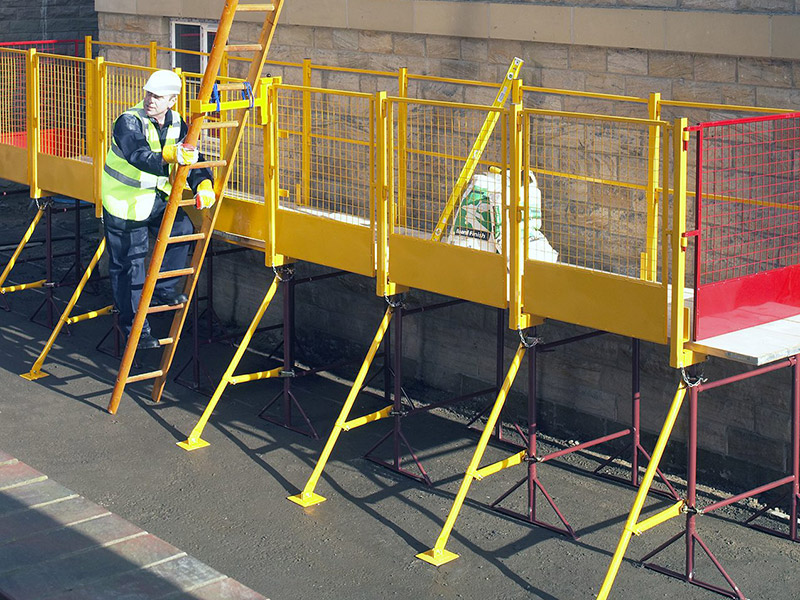
Ladders or Scaffolding: For accessing elevated formwork safely.
Avoid using excessive force, as this can damage the concrete surface or the formwork itself.
3.Follow a Systematic Removal Process
Start with Vertical Elements: Remove wall or column formwork first, as these are less likely to cause structural issues if done correctly.
Work from Top to Bottom: When stripping horizontal formwork, begin at the top edges and move downward to prevent accidental damage to the concrete.
Use Wedges for Tight Spaces: Insert wooden or plastic wedges between the formwork and concrete to create separation without prying.
Clean and Inspect Formwork: After removal, clean reusable components to remove concrete residue and check for damage. Repair or replace damaged sections before reuse.
4.Dispose of or Store Formwork Properly
Reusable Formwork (Steel, Aluminum, Plastic): Store these materials in a dry, organized manner to prevent warping or corrosion.
Non-Reusable Formwork (Timber): Dispose of broken or heavily damaged pieces responsibly. Salvageable timber can be cleaned and stored for future use.
Need Custom Scaffolding & Construction Equipment Solutions For Your Projects?
Changzhou Yueyang Machinery specializes in full-range Ringlock Scaffolding, Frame Scaffolding, Formwork, Safety Barrier & Accessory systems for construction, stage event, mining and heavy industry. ISO 9001 certified, comply with EU EN & Australia AS/NZ safety standards. Factory direct one-stop service from drawing customization to full container delivery.
Key Considerations When Removing Concrete Formwork
Safety and precision are paramount when stripping concrete formwork. Here are essential precautions to follow:
1.Ensure Structural Stability
Before removal, verify that the concrete has reached the required strength to support itself and any loads. Premature removal can lead to deflection, cracking, or collapse, especially in horizontal elements like slabs and beams.
2.Protect the Concrete Surface
Concrete is vulnerable to scratches, gouges, or spalling during formwork removal. Avoid using sharp tools directly on the surface, and never hammer the formwork aggressively. If adhesion is strong, use release agents during installation to ease future removal.
3.Prioritize Safety
Wear Protective Gear: Gloves, safety glasses, hard hats, and dust masks are essential to prevent injuries from flying debris or concrete dust.
Secure Elevated Work Areas: Use scaffolding or ladders with non-slip feet when working at heights.
Avoid Overhead Hazards: Be cautious of falling formwork panels or tools, especially when stripping soffits.
4.Check for Propping Requirements
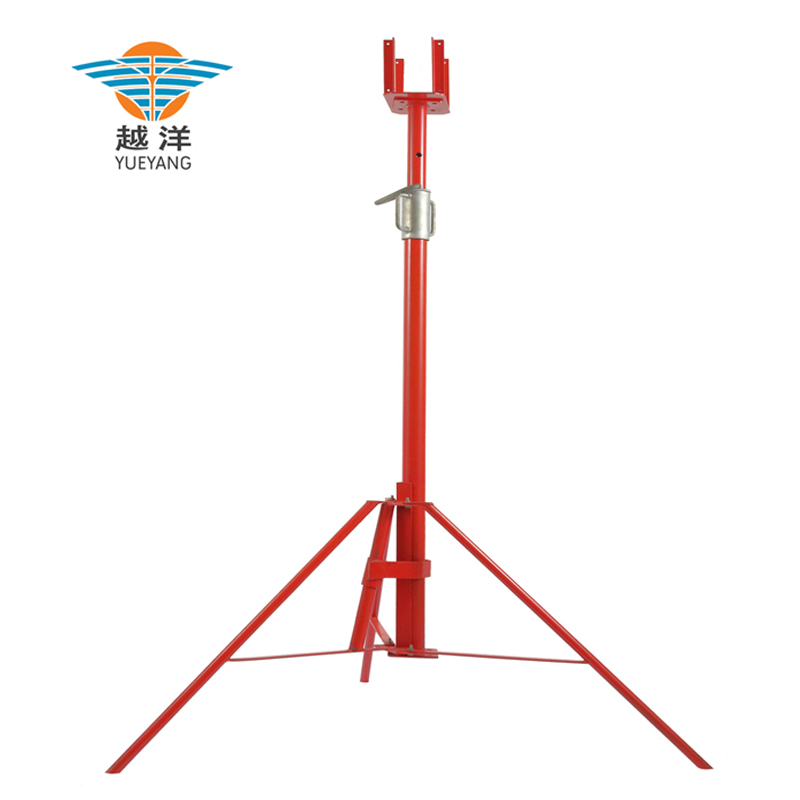
In some cases, temporary supports (props) may be needed after formwork removal to prevent sagging. This is common for large spans or heavy loads. Follow engineering recommendations for propping duration and placement.
5.Monitor Weather Conditions
Extreme temperatures or humidity can affect concrete curing. For example, cold weather slows hydration, while hot weather may cause rapid drying and cracking. Adjust removal timelines accordingly.
Conclusion
Removing concrete formwork is a nuanced process that demands technical knowledge, patience, and attention to detail. By determining the correct timing, using appropriate tools, and following a systematic approach, contractors can ensure the structural integrity of the concrete while maximizing the reuse of formwork materials. Safety must always remain a top priority to protect workers and prevent costly accidents.
Proper formwork removal also contributes to the overall efficiency of a construction project. Reusable formwork systems, when handled correctly, reduce waste and lower costs over time. Conversely, negligence during stripping can lead to defects that compromise the durability and appearance of the finished structure.
In summary, successful concrete formwork removal hinges on three factors: timing, technique, and safety. By adhering to these principles, construction teams can achieve high-quality results while maintaining a safe and productive work environment. Whether working on a small residential project or a large-scale infrastructure development, mastering the art of formwork removal is essential for every builder’s skill set.