


 yueyang@yueyangcz.com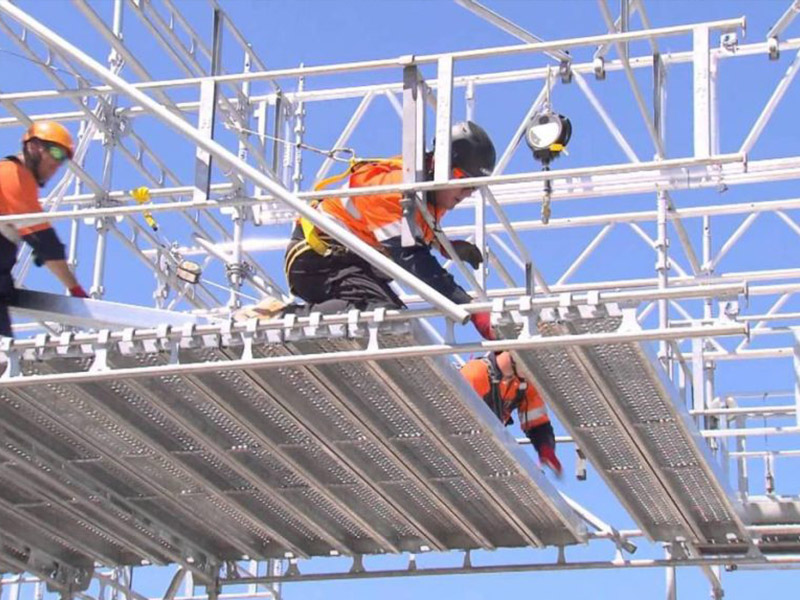
What is the difference between a scaffold and a work platform
 Mar 25, 2026|
 View:602
In the realm of construction, maintenance, and various industrial operations, ensuring the safety and efficiency of workers at elevated heights is of paramount importance. Two commonly used structures for providing access and support in such scenarios are scaffolds and work platforms. While they might seem similar at first glance, there are distinct differences between them that can significantly impact their suitability for specific tasks. Understanding these differences is crucial for project managers, safety officers, and workers alike to make informed decisions regarding the selection and use of the appropriate structure. This article aims to delve into the definitions, characteristics, and key disparities between scaffolds and work platforms, and also offer insights into choosing the right option for different situations.
What is a Scaffold?
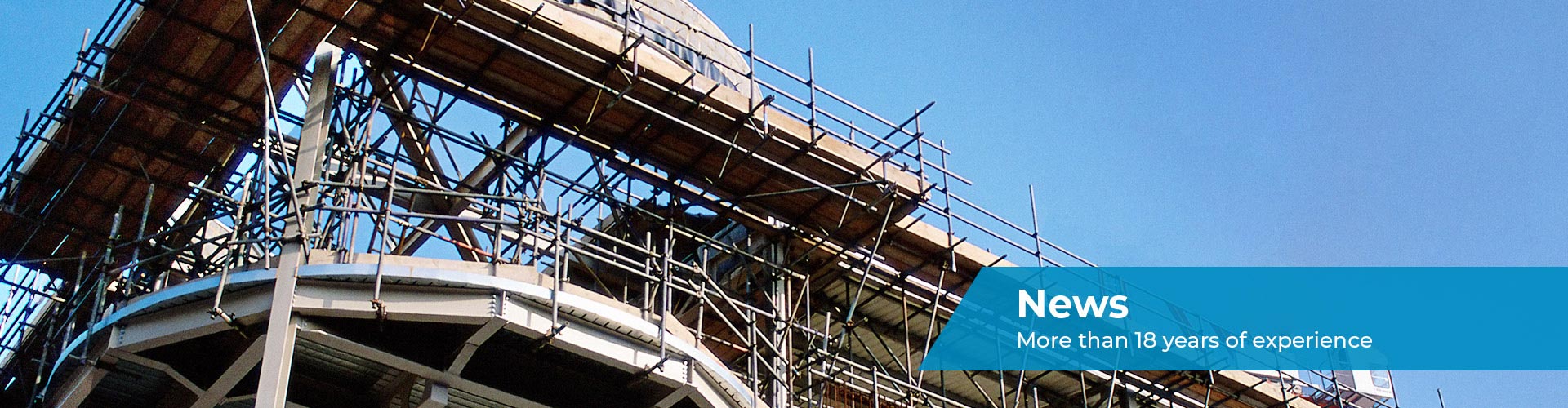
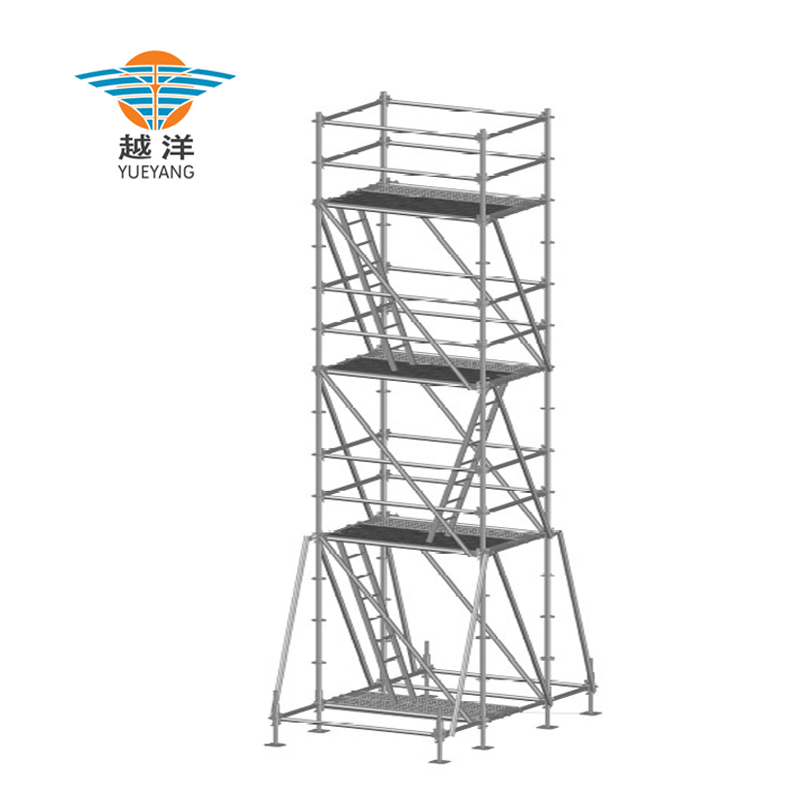
A scaffold is a temporary structure erected to support workers and materials during the construction, maintenance, or repair of buildings, bridges, and other large - scale structures. It is typically composed of a series of interconnected components such as standards (vertical members), ledgers (horizontal members), and transoms (horizontal members that support the working surface). These components are assembled in a grid - like pattern to form a stable framework.
Scaffolding systems can be classified into several types based on their design and application. For example, the single - pole scaffold is a simple structure where a single row of standards is used, and it is often employed for low - rise projects or interior work. Double - pole scaffolds, on the other hand, have two rows of standards, providing greater stability and load - bearing capacity, making them suitable for higher - rise construction.
Another common type is the suspended scaffold, which is hung from an overhead structure using ropes or cables. This type of scaffold is ideal for tasks such as window cleaning on tall buildings or exterior painting, as it allows for vertical movement along the facade of the structure.
The main advantage of a scaffolding system lies in its versatility. It can be customized to fit the specific shape and height requirements of a project. Workers can move freely along the scaffold, and it can be extended or modified as the work progresses. However, erecting a scaffold requires skilled labor and proper planning to ensure its stability and safety. It also takes up a relatively large amount of space on the construction site.

What is a Work Platform?
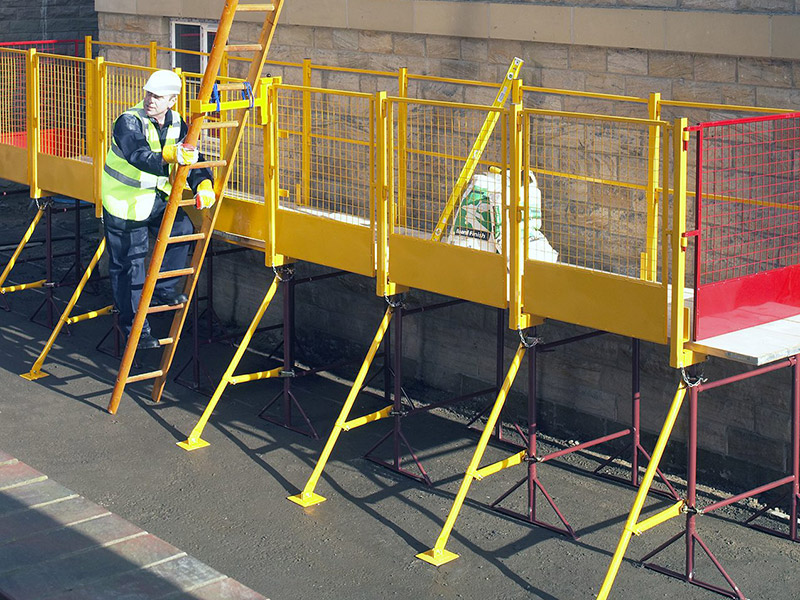
A work platform is a flat, elevated surface designed to provide a safe and stable working area for workers at height. Unlike scaffolds, work platforms are often more self - contained and less complex in their construction. They can be mobile or fixed, depending on the application.
Mobile work platforms are commonly seen in the form of aerial work platforms (AWPs), such as scissor lifts and boom lifts. Scissor lifts have a criss - cross mechanism that allows the platform to move vertically. They are suitable for tasks that require a large, stable working surface at a relatively consistent height, like installing ceiling fixtures in a warehouse. Boom lifts, on the other hand, have an extendable arm that can reach over obstacles, making them useful for tasks such as tree trimming or exterior building maintenance on complex structures.
Fixed work platforms are permanently installed structures, often used in industrial settings like factories or power plants. They are designed to provide long - term access to specific areas, such as machinery for maintenance or control panels. These platforms are usually made of durable materials like steel and are equipped with safety features such as guardrails and non - slip surfaces.
Work platforms offer several benefits. Their mobility, in the case of AWPs, allows for quick repositioning, increasing work efficiency. They are also relatively easy to operate, with many models having user - friendly controls. However, their load - bearing capacity and height range may be limited compared to some scaffolding systems, and they may not be as adaptable to irregularly shaped structures.
The Differences Between Scaffold and Work Platform
Structural Complexity
Scaffolding systems are generally more complex in structure compared to work platforms. A scaffold consists of multiple interconnected components that need to be carefully assembled to form a stable framework. This complexity allows for greater customization but also requires more time and skill to set up. In contrast, work platforms, especially mobile ones, are often pre - engineered and have a simpler design, making them easier to deploy and operate.
Mobility
Work platforms, particularly aerial work platforms, are known for their high mobility. They can be easily moved around the construction site or work area, allowing workers to access different locations quickly. Scaffolds, on the other hand, are typically stationary once erected. Although they can be dismantled and reassembled elsewhere, this process is time - consuming and labor - intensive.
Load - Bearing Capacity
Scaffolding systems are generally designed to handle heavier loads. They can support not only the weight of workers but also large amounts of construction materials, such as bricks, concrete blocks, and steel beams. Work platforms, especially mobile ones, have more limited load - bearing capacities. They are mainly intended for carrying workers and a relatively small amount of tools and equipment.
Height and Reach
Scaffolds can be built to extremely high heights, making them suitable for large - scale construction projects like skyscrapers. They can also be extended horizontally to cover a wide area. Work platforms, while they can reach significant heights, especially boom lifts, may have limitations in terms of the maximum height and horizontal reach compared to a well - designed scaffolding system.
Customization
Scaffolds offer a high degree of customization. They can be adapted to fit the unique shape and requirements of any structure, whether it is a curved building or a complex industrial facility. Work platforms are more standardized in their design, and while some models may offer adjustable features, they are generally less flexible in terms of customization.
Which is More Worth Choosing: Scaffold or Work Platform?
The choice between a scaffold and a work platform depends on several factors. If the project involves a large - scale construction or maintenance task that requires a high degree of customization, the ability to handle heavy loads, and access to very high or irregularly shaped areas, a scaffolding system is likely the better option. For example, in the construction of a multi - story building, a scaffold can be built around the entire structure, providing a continuous working surface for different trades.
On the other hand, if the work requires frequent movement between different locations within a relatively limited area, and the loads are relatively light, a work platform, especially a mobile one, may be more suitable. For instance, in a warehouse where workers need to install shelving at different heights and positions, a scissor lift can be easily moved around to provide the necessary access.
Safety is also a crucial consideration. Both scaffolds and work platforms need to be used in accordance with safety regulations. However, the complexity of a scaffold may increase the risk of improper assembly if not done by skilled workers. Work platforms, with their simpler operation, may be easier to use safely, but they also have their own set of safety precautions, such as ensuring proper stability during movement.
Need Custom Scaffolding & Construction Equipment Solutions For Your Projects?
Changzhou Yueyang Machinery specializes in full-range Ringlock Scaffolding, Frame Scaffolding, Formwork, Safety Barrier & Accessory systems for construction, stage event, mining and heavy industry. ISO 9001 certified, comply with EU EN & Australia AS/NZ safety standards. Factory direct one-stop service from drawing customization to full container delivery.
Conclusion
In conclusion, scaffolds and work platforms are both essential tools for working at height, but they have distinct characteristics and are suitable for different scenarios. A scaffolding system is a complex, customizable structure that can handle heavy loads and reach great heights, making it ideal for large - scale construction projects. A work platform, on the other hand, offers mobility and ease of use, making it a good choice for tasks that require frequent repositioning and lighter loads.
When making a decision between the two, project managers and workers should carefully evaluate the specific requirements of the job, including the height, load, area to be covered, and the need for customization. By understanding the differences between scaffolds and work platforms, they can select the most appropriate structure to ensure the safety and efficiency of the work at height, ultimately contributing to the success of the overall project. Whether it is a towering skyscraper under construction or a routine maintenance task in a factory, choosing the right elevated working solution is a critical step in achieving optimal results.
Recommended Products

Aluminium Hanging Scaffolding With Work Platform for Walk Way
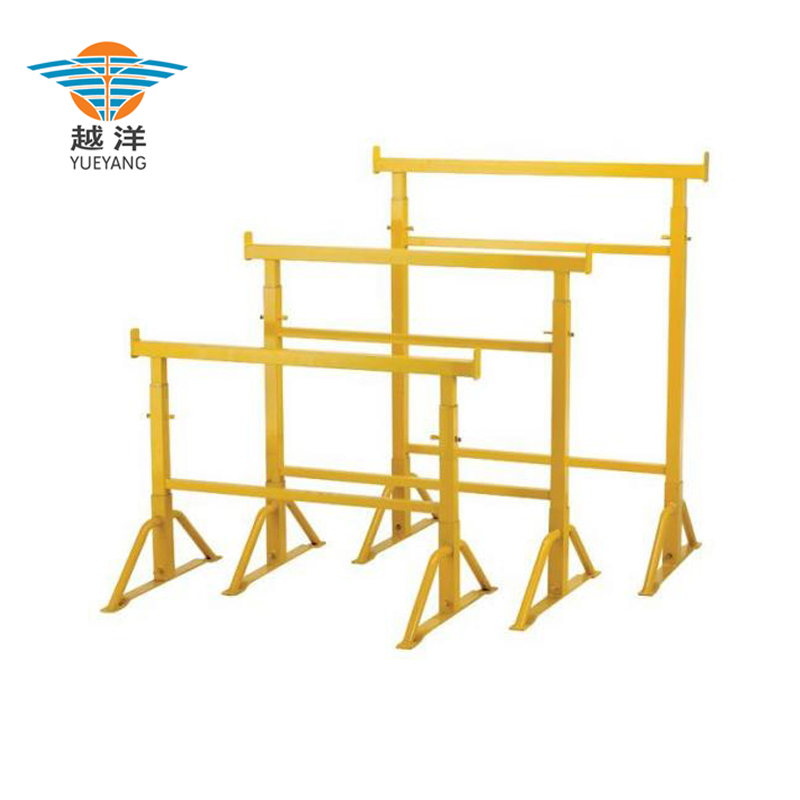
Steel Adjustable Scaffolding Trestle With Assembly Feet For Builder Using
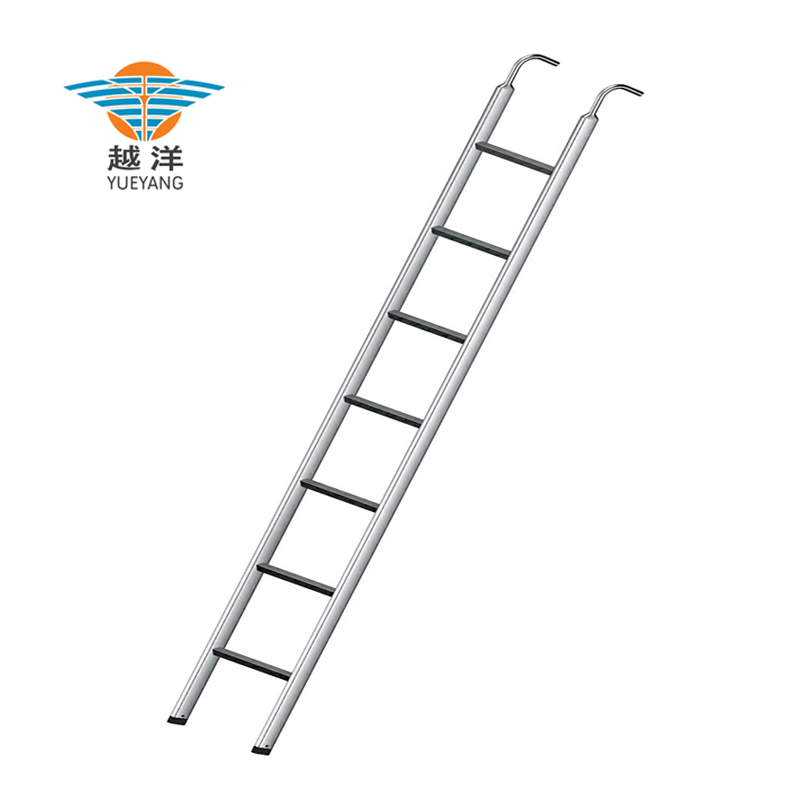
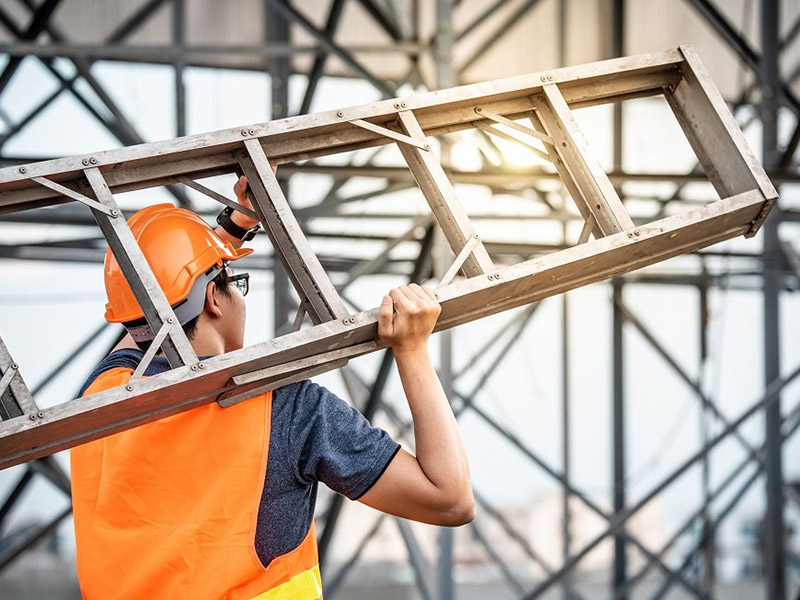
Galvanized Steel Scaffolding Ladder With Hook For Sale
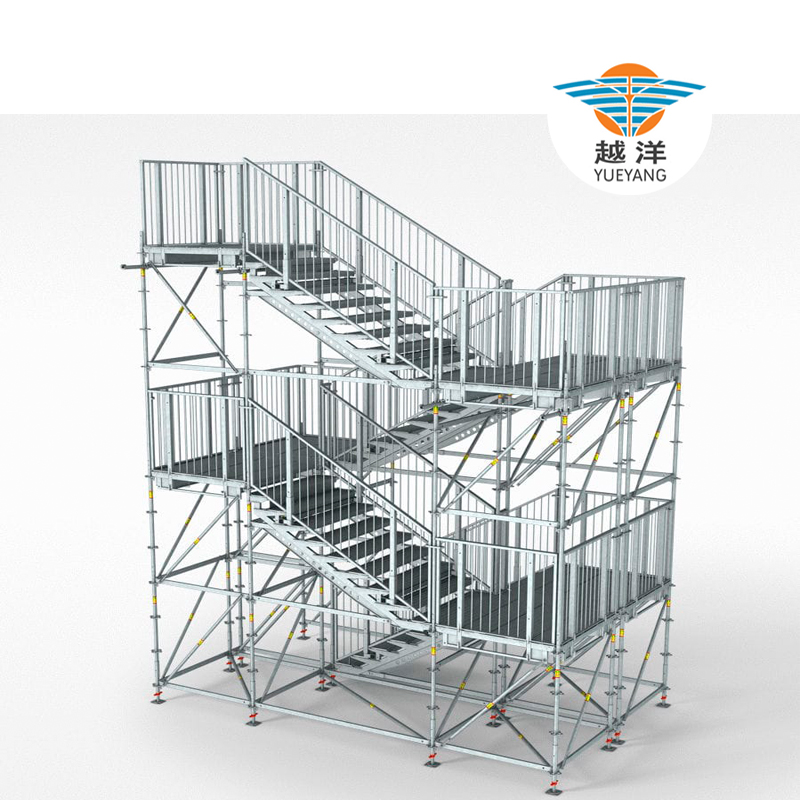
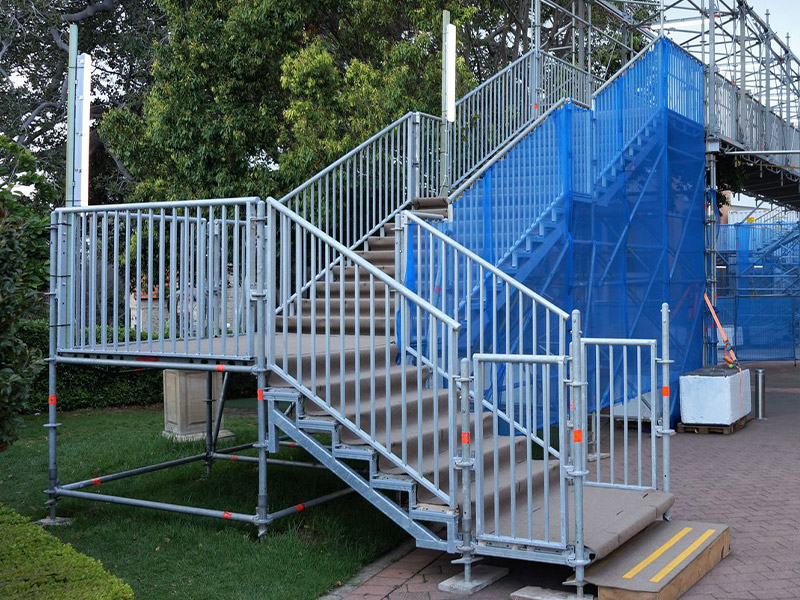
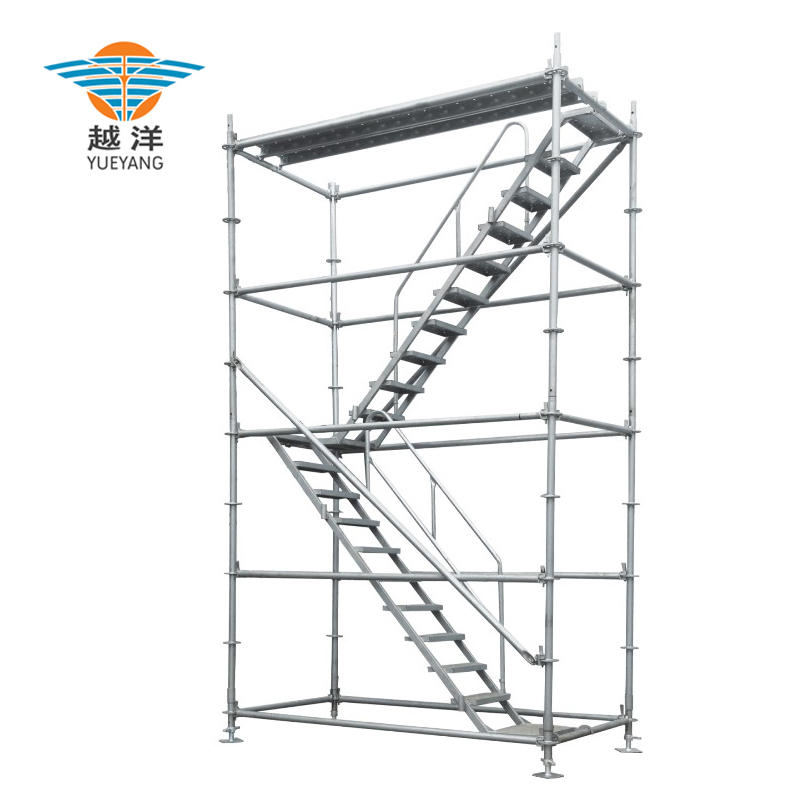
Outdoor Iron Ringlock Scaffolding Stair For Playground
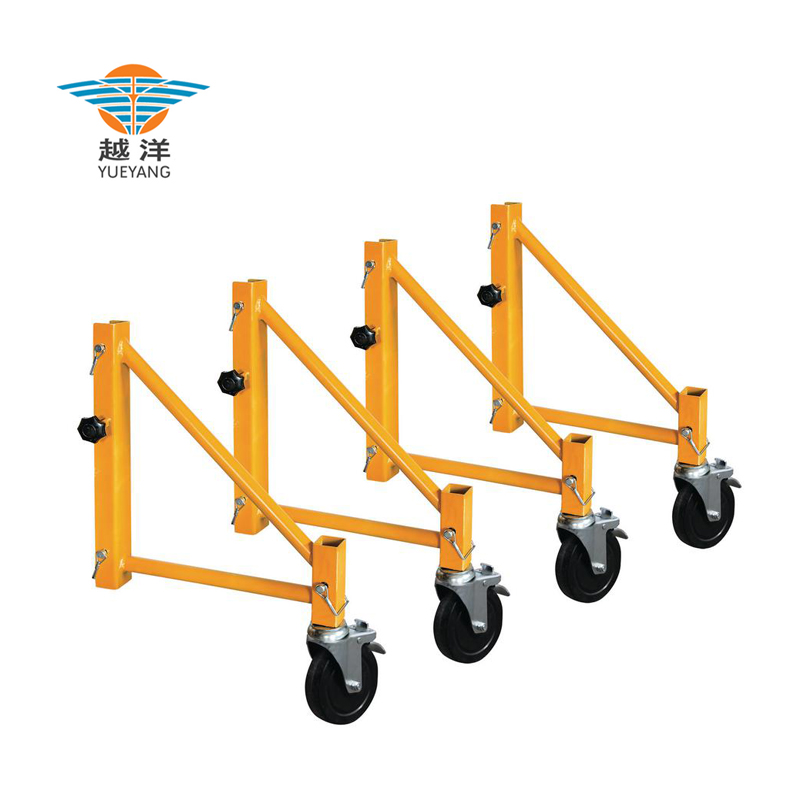
Outrigger Bracket Stabilizer for Adjustable Baker Rolling Scaffolding
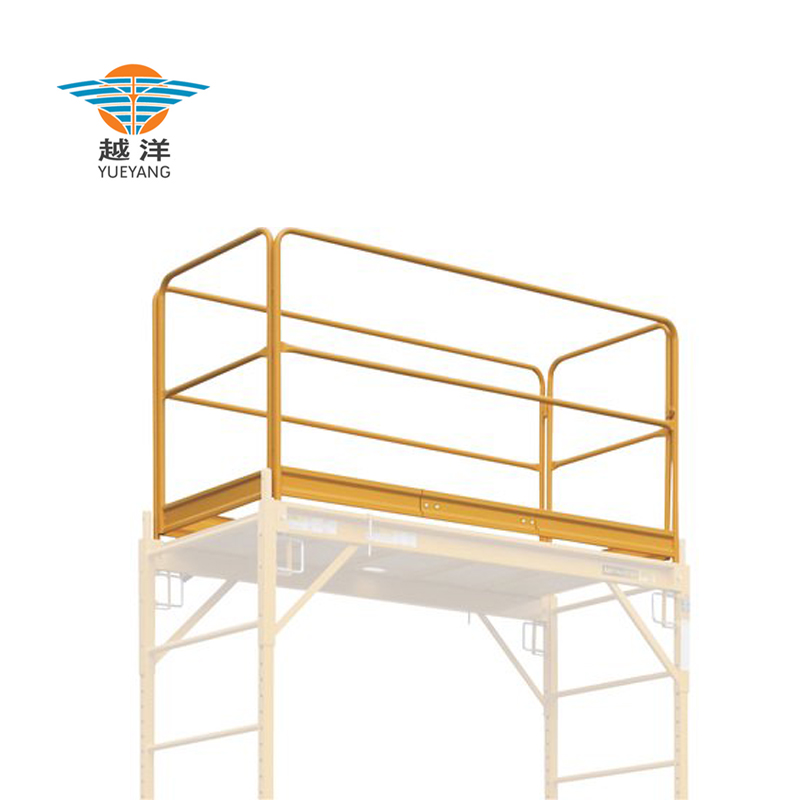
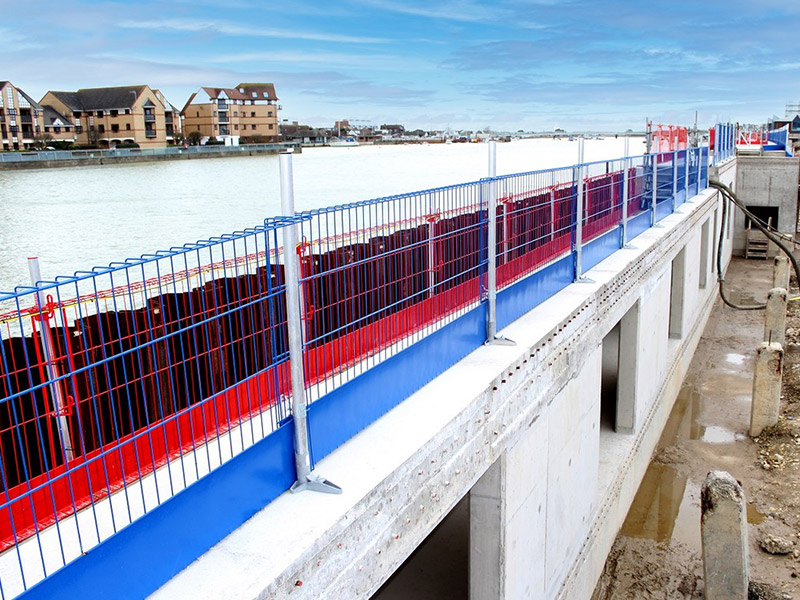
Metal Guard Rail For Baker Rolling Moveable Scaffolding

Recent News
1.What is the average cost of scaffolding
2026-02-242.Which is better tubular scaffolding or frame scaffolding
2026-02-133.Is edge protection better than scaffolding
2026-01-194.What is the difference between framework and scaffolding
2026-01-125.What is h frame scaffolding
2025-12-176.Can cuplock scaffolding be reused
2025-11-10