

 yueyang@yueyangcz.com

Ringlock Scaffolding vs Frame Scaffolding: Which System Is Better
 Nov 03, 2026|
 View:7
Neither system wins everywhere. Your load requirements, project type, assembly speed, budget, and compliance needs decide which one fits.
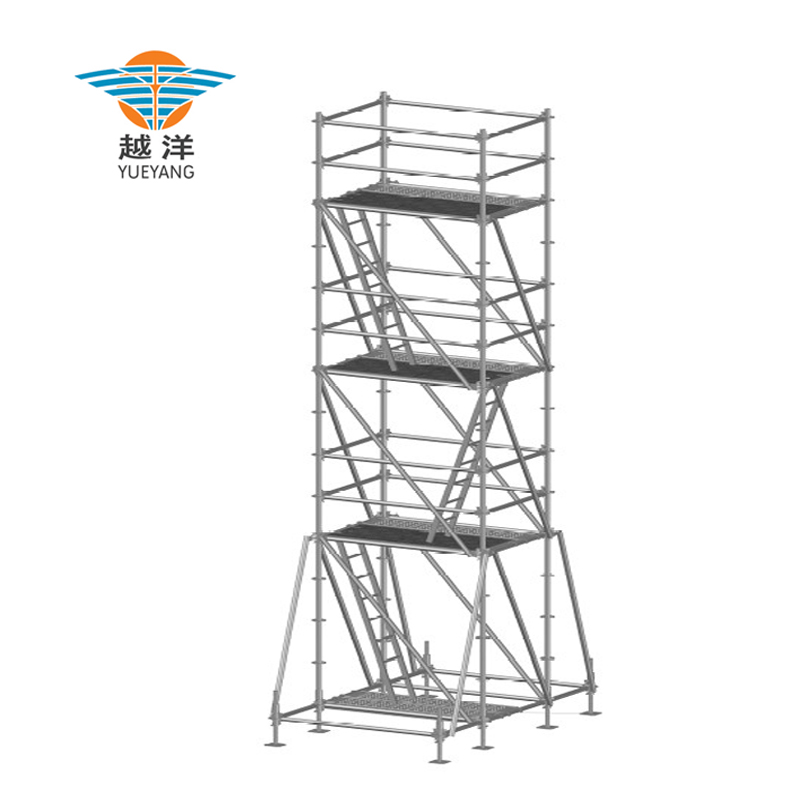
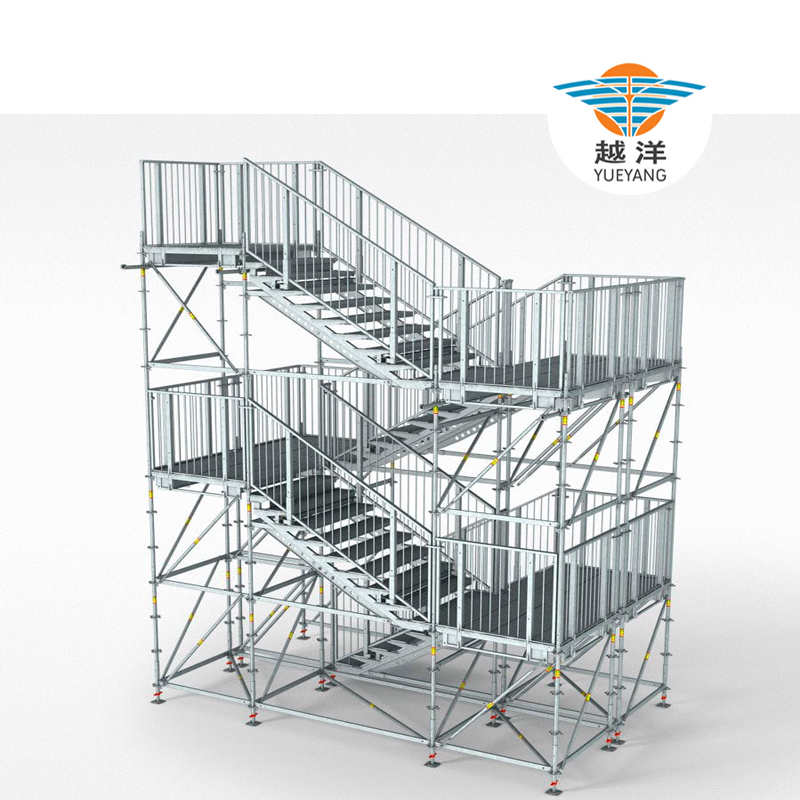
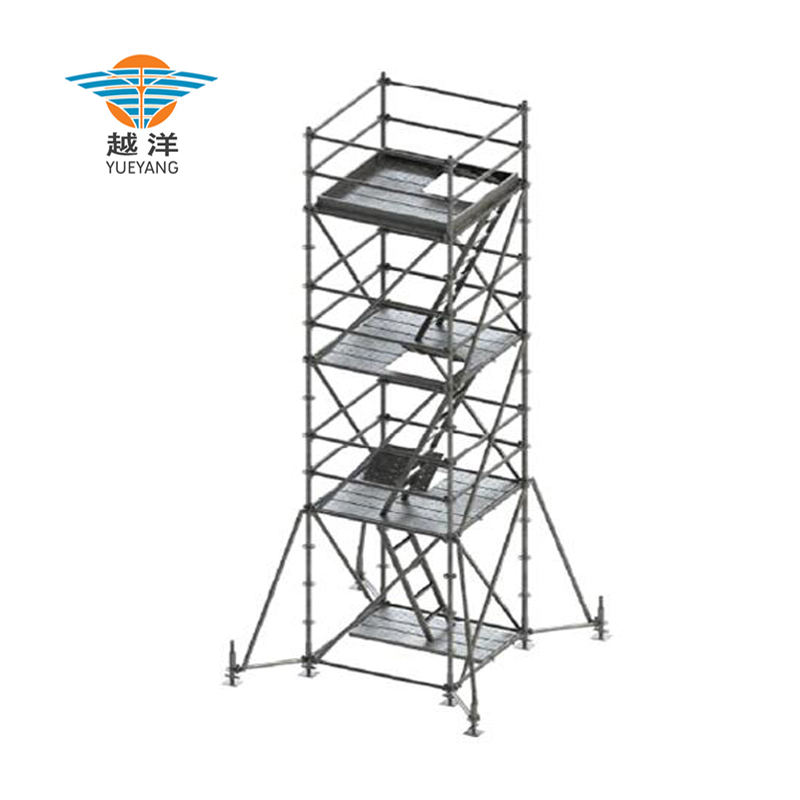
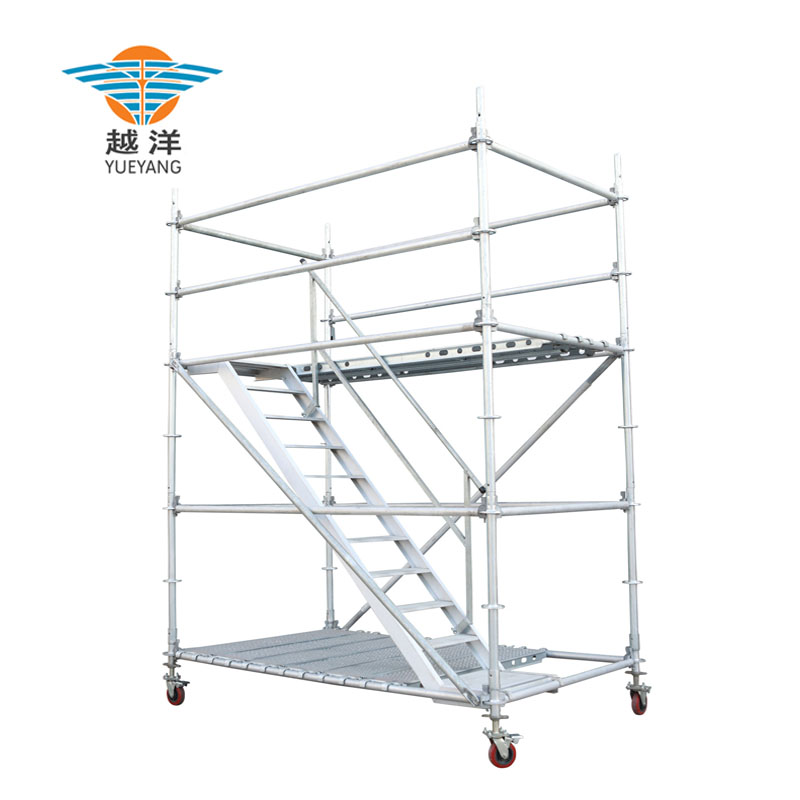
Ringlock scaffolding is a modular steel system. Rosette connections and wedge-lock assembly join its standards, ledgers, and braces without loose fittings or bolts. Frame scaffolding is a prefabricated system. Fixed frames and cross braces slot together for fast, simple access work.
You will see both systems compared across technical performance, application fit, safety and compliance, and cost. That comparison gives you a clear basis for your next project decision.
Key Takeaways
Choose ringlock scaffolding for heavy loads and complex shapes.
Pick frame scaffolding for straight walls and simple jobs.
Frame scaffolding costs less upfront; ringlock saves money over time.
Both systems meet OSHA rules when you design and inspect them correctly.
Match the scaffolding to your project's needs, not to habit.
Technical Performance Compared
Load Capacity and Strength
Load range is the first technical difference you will notice. Ringlock scaffolding is configurable from light-duty access all the way to heavy-duty support. You change the standard spacing and the brace pattern to match the load. Frame scaffolding suits standard light-to-medium duty work. Its fixed frames set the geometry for you, so the capacity stays within a predictable band.
Base collars show another practical difference. Ringlock base collars are compact, so one worker can handle them easily during setup and transport. Frame base collars are bulkier. They take more effort to move and stack. Compact collars speed up handling on tight sites. Bulkier collars add stability to the frame footprint.
Versatility and Assembly Speed
The connection method drives assembly speed. Ringlock uses a rosette connection with wedge-lock assembly. Standards, ledgers, and braces lock into the rosette at fixed intervals. You need no loose fittings or bolts. That saves time on every connection and removes small parts that can go missing. Frame scaffolding works differently. Prefabricated frames and cross braces slot together. The frame sets the bay size, so assembly is fast on regular layouts.
Versatility separates the two systems on complex jobs. Ringlock connects in multiple directions from a single rosette. You can build around curves, tanks, and irregular steelwork without custom parts. Frame scaffolding follows a fixed rectangular grid. That grid is efficient on flat, straight elevations. On odd shapes, you add extra components to bridge the gaps. Ringlock scaffolding adapts to the geometry instead. The modular parts reconfigure for each new layout, so one set covers many job types.
Application Fit by Project Type
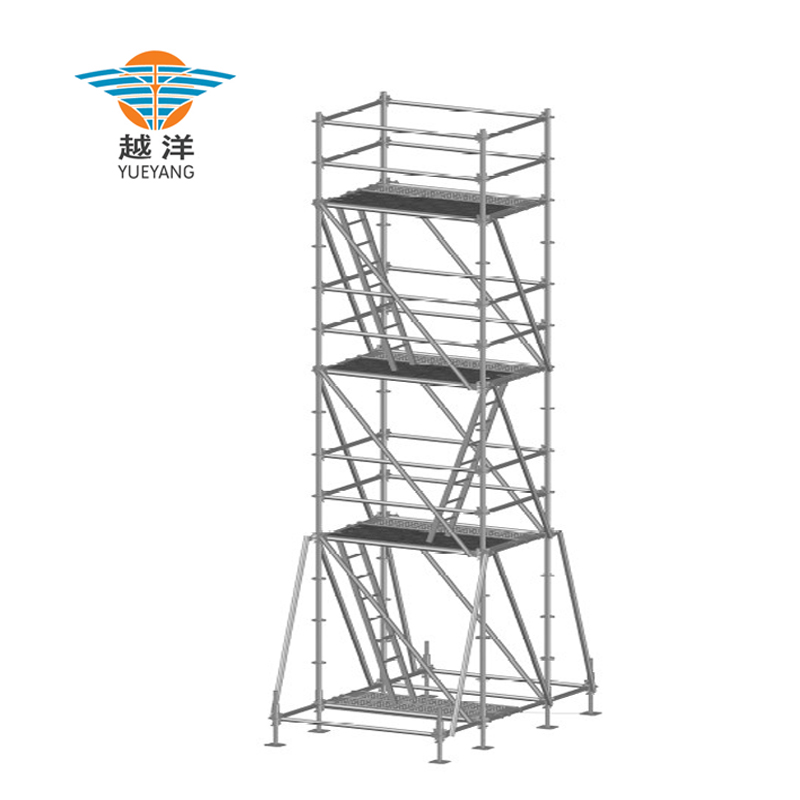
Where Ringlock Scaffolding Excels
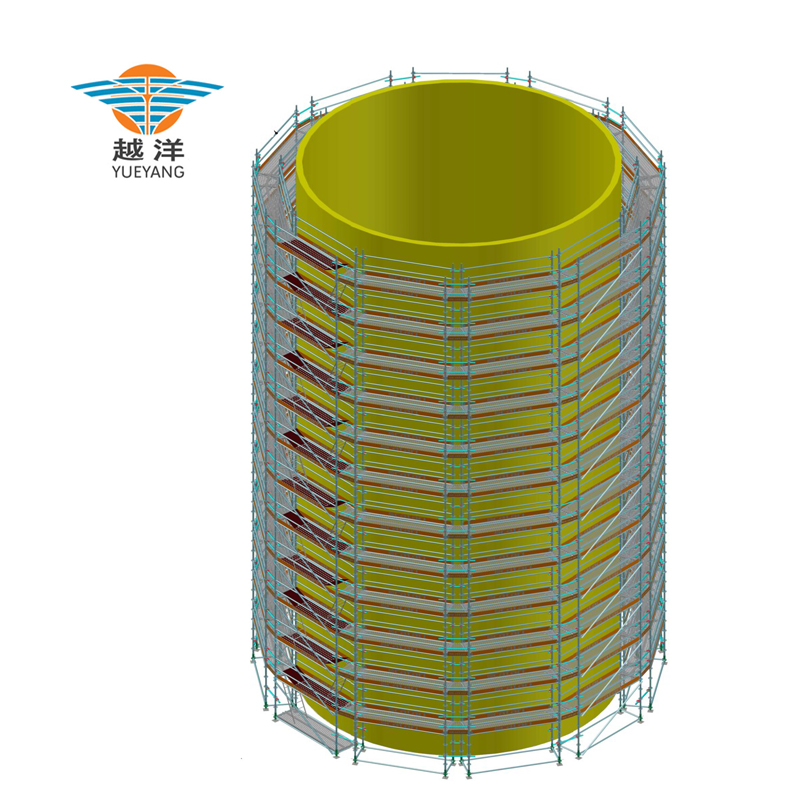
Complex geometry is the home ground of ringlock scaffolding. The rosette connection turns in every direction, so you can wrap a scaffold around a shape instead of forcing the shape to fit a grid. Promisteel notes that this 360-degree flexibility makes the system a strong match for circular storage tanks, intricate industrial maintenance, and large-scale event stages that demand precision and high load-bearing.
You will find the same strengths across a wide set of demanding jobs. Uday Structural lists several core uses for the system:
Facade and structural access
Slab support and shoring
Industrial, infrastructure, and complex site applications
That list grows longer on real projects. Crews use ringlock scaffolding for structural framework support during concrete pours, curtain wall and cladding work, MEP installations on elevated platforms, bridge and canopy construction, high-rise towers, and petrochemical facilities. Shipbuilding and offshore construction also rely on it, because the modular parts rebuild into new shapes as the hull or deck changes.
Tip: Ringlock scaffolding adapts to irregular building shapes, making it ideal for commercial and industrial sites.
The common thread is irregularity. Curved walls, pipes, tanks, and odd steelwork all reward a system that connects in multiple directions from one node. When the layout changes every few bays, the modular design pays for itself.
Where Frame Scaffolding Excels
Straightforward elevations belong to frame scaffolding. A clean facade with a long straight wall lets the bays repeat cleanly, and the part list stays easy to count. Huilai Scaffolding points out that a crew can erect frame scaffolding quickly with fewer parts on a straight facade, a repeated elevation, or a simple renovation job. The platform line stays clean, and labor and material planning stay under control.
Cost-effective access is the second strength. Scaffolding.com rates the frame system as a cost-effective option best suited for residential work, masonry work, and light commercial work. The same source notes that its stable frame design, simplicity, and load capacity make it adaptable to different jobsite conditions across residential, commercial, and industrial projects.
Project Scenario | Frame Scaffolding Suitability |
|---|---|
Residential work | Cost-effective option best suited for residential work |
Masonry work | Cost-effective option best suited for masonry work |
Light commercial work | Cost-effective option best suited for light commercial work |
Mixed residential, commercial, and industrial jobs | Ideal due to stable frame design, simplicity, load capacity, and adaptability |
Plastering, painting, renovation, and general facade access round out the picture. Many contractors start with frame scaffolding on simple building work because the parts are familiar and the layout stays easy to count. Neither system outranks the other here. Each one simply fits a different shape of job.
Safety and Compliance
Safety Features Compared
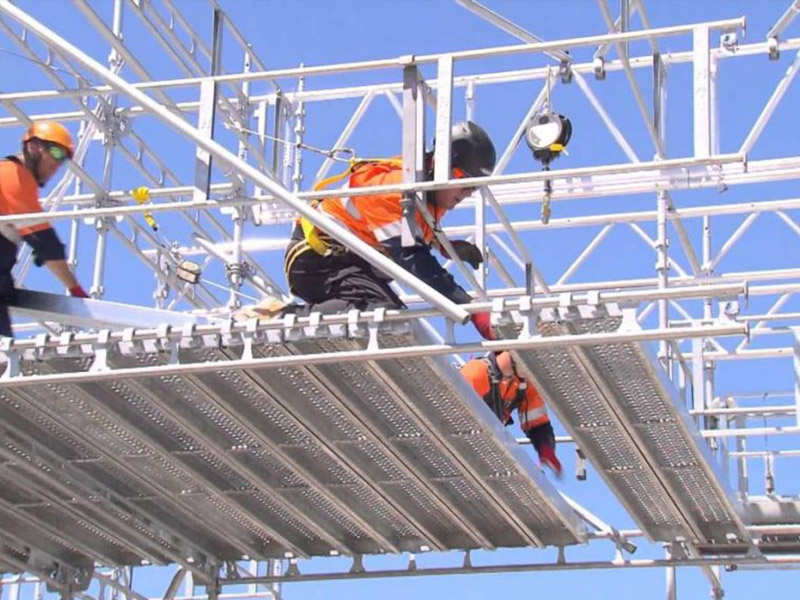
Ringlock scaffolding builds safety into its parts. Horizontal ledgers connect the vertical poles and carry loads and steel planks. These same ledgers double as guardrails, so you gain a second layer of fall protection without extra hardware. Typical ledger tubes measure 48.3mm in outer diameter, per TSX Groupe. Perforated steel planks give your crew a non-slip working surface, even in wet conditions. Youfaconstruction adds that guardrails and toe boards around the perimeter stop tools and materials from sliding off the edge.
Connection strength matters just as much. Yiandescaffolding describes the effect of the wedge-locked rosette this way:
The multi-directional rosette connections create highly rigid nodes. This wedge-locked design significantly reduces lateral sway and distributes structural loads more evenly to the tie points, minimizing the risk of localized anchor failure.
Frame scaffolding meets the same safety goals through its fixed frames and cross braces. The rigid frame geometry resists racking on straight runs. Both systems accept guardrails, toe boards, and non-slip planks, so the safety gap narrows when you configure each one correctly.
OSHA and Local Code Compliance
Both systems can satisfy OSHA rules under 29 CFR 1926 Subpart L. That standard covers training, inspection, and fall protection for every scaffold type, including modular frame scaffolds and system scaffolds. Eagle Scaffolding summarizes the core duties. Every scaffold must support at least four times the maximum intended load. A competent person must inspect it before each shift and after any event that could affect structural integrity. Workers 10 feet or more above a lower level need guardrails or a personal fall arrest system. Any scaffold over 125 feet must be designed by a registered professional engineer.
Platform rules apply to both systems in the same way. OSHA requires fully planked platforms between the front uprights and guardrail supports. Most platforms and walkways must be at least 18 inches wide, and the front edge usually cannot sit more than 14 inches from the work face unless you add extra protection. Your compliance path stays the same for either system: design by a qualified person, build to that design, inspect on schedule, and document everything.
Cost: Upfront vs. Long-Term
Purchase and Rental Costs
Frame scaffolding carries the lower entry price. Its straightforward design keeps manufacturing simple, so the initial investment stays modest. Irontrix Scaffold notes that frame scaffolding tends to be less expensive initially. That lower upfront cost suits smaller operations, short projects, and jobs with limited working height.
Ringlock scaffolding costs more at the start. The modular parts, rosette connections, and precision manufacturing add to the purchase price. Irontrix Scaffold frames the trade-off clearly:
Initial investment: Ringlock is higher; frame is lower.
Frame scaffolding fits simple projects, limited heights, or equipment that will not see frequent reuse.
Ringlock scaffolding can serve more purposes across many jobs.
Rental rates follow the same pattern. Frame systems rent at lower rates per square meter. Ringlock rates run higher, yet the rate alone tells only part of the story.
Ringlock Scaffolding ROI
Long-term value changes the math. AJ Build Scaffold reports that ringlock scaffolding assembles faster, needs low maintenance, and lasts a long time. Those traits produce a better overall return for both users and owners. Faster projects help the user. Greater rental viability helps the owner.
Durability drives much of that return. Gowe Group points out that hot-dipped galvanized steel delivers a much better return than coated or painted types. The galvanized finish resists rust in coastal and factory settings, so replacements and upkeep costs stay low. Labor savings add to the gain. Crews can pre-build sections on the ground and hoist them whole, which cuts site labor and clutter.
ROI Factor | What It Means for You |
|---|---|
Initial cost vs. long-term value | Higher first cost, better value over time through less worker time and higher reuse |
Durability | Hot-dipped galvanized steel means fewer replacements and lower upkeep |
Labor savings | Faster assembly and pre-building on the ground cut labor costs |
Project diversity | Versatility justifies the premium for contractors handling many job types |
Total cost efficiency goes beyond the hire rate per square meter. Setup time and lifespan under heavy-duty use belong in the same calculation.
Choosing Between the Two
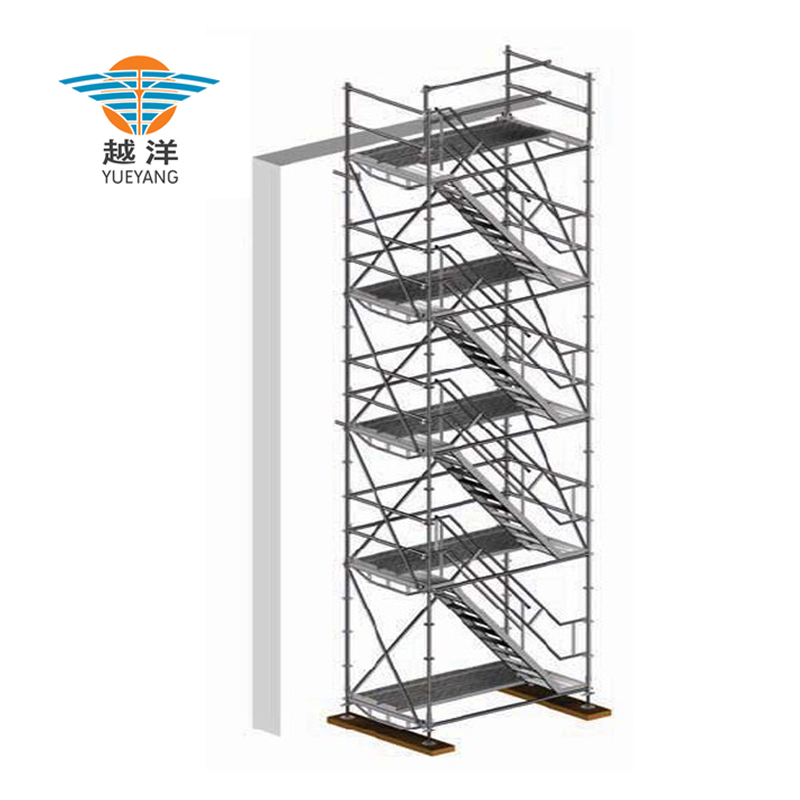
The table below puts the four decision factors side by side. Use it as a quick reference, then work through the decision guide that follows. Each factor can point to a different answer on different jobs.
Factor | Ringlock system | Frame system |
|---|---|---|
Load capacity | Light-duty access through heavy-duty support; you set standard spacing and bracing to match the load | Standard light-to-medium duty; fixed frames set the geometry and the capacity band |
Versatility | Multi-directional rosette connections handle curves, tanks, pipes, and irregular steelwork | Fixed rectangular grid suits straight, repeated elevations |
Safety | Wedge-locked nodes reduce lateral sway; ledgers double as guardrails; non-slip planks and toe boards | Rigid frame geometry resists racking; accepts the same guardrails, toe boards, and planks |
Cost | Higher upfront price and rental rate; stronger long-term return through reuse and durability | Lower entry price and rental rate; best value on short, simple jobs |
Now map your project factors to a system. Start with load. A heavy-duty support job, a slab pour, or shoring work points to ringlock scaffolding. Standard access on a low-rise building points to frame. Ask your engineer for the maximum intended load, then confirm the chosen system carries at least four times that figure, as OSHA requires.
Next, look at geometry. Curved walls, circular tanks, and odd steelwork reward multi-directional connections. A long straight facade lets frame bays repeat cleanly, and the part list stays easy to count. Picture a rectangular warehouse: frame covers the elevation with little planning. Picture a round storage tank: the same frame grid leaves gaps you must bridge with extra parts.
Then weigh assembly time and labor. Frame erects fast on regular layouts with fewer parts. Ringlock scaffolding pays off when the layout changes often, because one set reconfigures across many job types. Count your setup days and your crew size before you compare quotes, and note how often the layout will change.
Check your budget next. A short project with limited height favors the lower entry price of frame. A contractor who runs many job types gains more from the higher first cost of ringlock. Add rental duration to the math. A long rental on a complex job can erase the frame price advantage.
Compliance closes the list. Both systems meet OSHA 29 CFR 1926 Subpart L when you design, build, and inspect them correctly. Confirm your platform width, guardrail height, and inspection schedule against the standard either way. Workers 10 feet or more above a lower level need guardrails or a fall arrest system. Any scaffold over 125 feet needs a registered professional engineer's design.
Run one worked example. Suppose you plan a three-story office facade with a straight elevation and a two-week schedule. Frame fits: the bays repeat, the parts stay simple, and the entry price stays low. Now suppose the same contract adds a curved atrium wall and a rooftop plant screen. The ringlock system covers all three shapes with one set, so the higher first cost spreads across more work.
Rule of thumb: match the system to the shape of the job, not to habit.
No single system wins every job. The better choice depends on your load needs, project type, assembly timeline, budget, and compliance path. Run this quick checklist before you order:
Heavy loads or shoring: ringlock.
Curved, irregular, or changing layouts: ringlock.
Straight, repeated elevations on a short schedule: frame.
Tight upfront budget on simple work: frame.
OSHA compliance: either system, when designed and inspected correctly.
Match the system to your project instead of defaulting to one option. Both systems earn their place on different job sites. Pick the one that fits the shape of your work.
FAQ
Can you combine ringlock and frame scaffolding on one project?
Yes, you can. Many sites use frame scaffolding on the straight elevations and ringlock on the curved or heavy-duty sections. Plan the tie-in points with a qualified person. Keep each system's inspection records separate, and confirm both meet the same OSHA load and fall-protection rules.
Should you rent or buy scaffolding for a single project?
Rent when the job is short and the layout stays simple. Frame systems rent at lower rates per square meter, so a one-time facade job rarely justifies a purchase. Buy when you expect repeat work across many job types. Ringlock's durability and reuse then spread the higher first cost over more projects.
How often must you inspect either system?
A competent person must inspect the scaffold before each shift and after any event that could affect its structural integrity. That rule comes from OSHA 29 CFR 1926 Subpart L and applies to both systems. Document every inspection, and re-inspect after high winds, impacts, or modifications.
Can one crew assemble both systems?
Most crews can. Frame scaffolding goes up fast on regular layouts with fewer parts. Ringlock needs training on the rosette and wedge-lock connection, yet the skills transfer quickly. Train your team on the specific system before the first shift, and confirm each worker knows the load limits and guardrail rules.
Does a higher price always mean a better system?
No. Price reflects the parts and manufacturing, not the fit for your job. A straight, short facade often costs less with frame scaffolding and performs just as well. Ringlock earns its premium on complex geometry, heavy loads, and repeated reuse. Match the system to the work, not to the price tag.